May 19, 2026
Pakistan’s urea sales in April jump 85% to 463,000 tons, highest for month in 15 years
Four-month urea offtakes rise 11% to 1.5 million tons as FFC and FATIMA double sales; DAP sales fall 11% to 85,000 tons

May 19, 2026
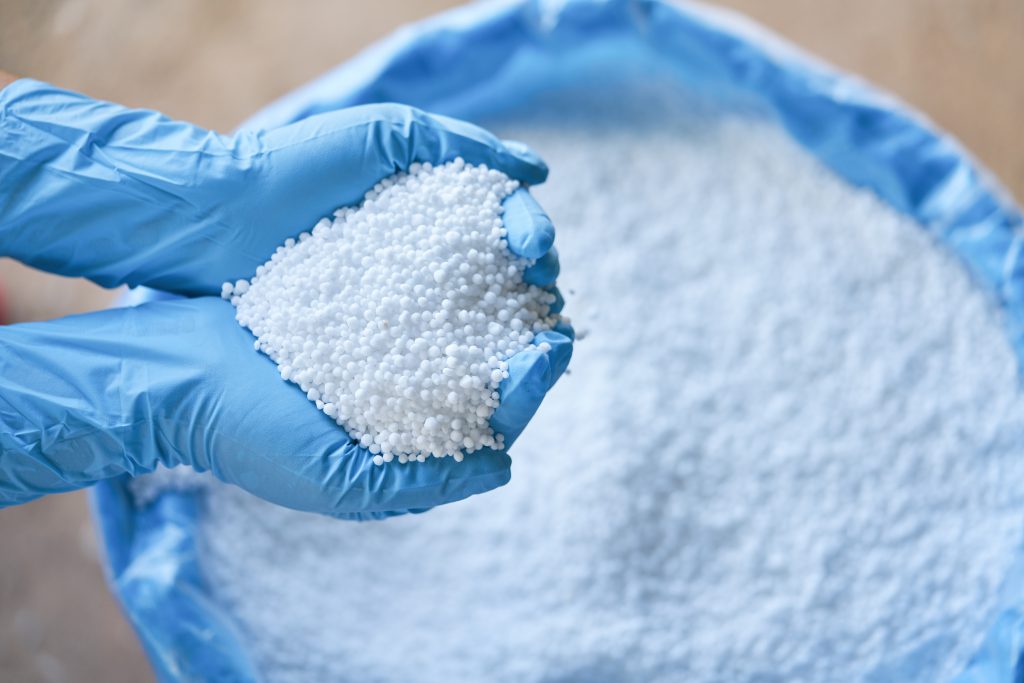
Pakistan’s fertiliser sector recorded its highest April urea sales in 15 years as total urea offtakes surged 85% year-on-year to 463,000 tons during April 2026, driven by early crop sowing, improving farm income and pre-emptive buying amid rising global urea prices linked to tensions in the Middle East, according to a report by AKD Research.
The brokerage house said cumulative urea sales for the first four months of calendar year 2026 reached 1.5 million tons, compared with 1.4 million tons during the same period last year, reflecting an 11% increase.
The brokerage firm attributed the sharp rise in fertiliser demand to early rice sowing and timely cotton cultivation amid higher cotton prices, alongside improved farmer liquidity and wider access to financing through Punjab’s Kisan Card programme and alternative credit facilities for farmers in Sindh.
The report noted that wheat prices rose after provincial governments announced support prices, while sugarcane production increased 31% year-on-year during the first nine months of FY26. It also highlighted that early rice sowing had been banned in Punjab last year, creating a lower base effect.
Among nutrient categories, DAP offtakes declined 11% year-on-year to 85,000 tons during April due to 19% higher prices and elevated inventory levels in the distribution channel following stockpiling in the previous month.
CAN sales increased 50% year-on-year to 67,000 tons, while NPK sales rose 83% to 4,000 tons. NP sales, however, fell 16% to 59,000 tons.
Fauji Fertilizer Company (FFC) and Fatima Fertilizer recorded the strongest growth in urea sales during the month.
FFC’s urea offtakes doubled year-on-year to 240,000 tons, while FATIMA’s sales also doubled to 101,000 tons. As a result, FFC’s market share expanded to 52% from 43% a year earlier, while FATIMA’s share increased to 22% from 17%.
The report said the increase was largely supported by pre-emptive buying by dealers and farmers expecting further price hikes due to rising international urea prices.
FFC also posted a 15% increase in DAP sales to 61,000 tons because of improved product availability and competitive pricing. Its DAP market share increased to 73% from 56% during the same period last year.
Meanwhile, FATIMA’s CAN sales rose 50% year-on-year to 67,000 tons. The company continued to hold large inventories, including 232,000 tons of urea and 218,000 tons of CAN, with its urea inventory accounting for 29% of total industry stocks.
Engro Fertilizers (EFERT), however, lagged behind broader industry growth.
EFERT’s urea sales increased 35% year-on-year to 109,000 tons, resulting in its market share declining to 23% from 32% a year earlier. The company currently holds 459,000 tons of urea inventory, representing around 57% of total industry stocks and up 19% month-on-month.
The report also showed EFERT’s DAP sales dropping 75% year-on-year to 8,000 tons because of lower inventory levels and the absence of imports, reducing its DAP market share to 9% from 33% last year.
Looking ahead, AKD Research said urea demand was expected to remain strong throughout CY26 due to improving farm economics and ongoing corporate farming initiatives.
The report added that inventory levels were likely to decline during the Kharif season, particularly after gas disruptions affected production at non-allocated plants including Fatimafert, Agritech Limited, Pakarab Fertilizers and Fauji Fertilizer Bin Qasim Limited amid the escalation of the Middle East conflict.
According to the brokerage house, tighter supply conditions and sustained domestic demand may allow manufacturers to pass on higher costs arising from geopolitical tensions. It noted that urea prices had already increased by around ₨100-150 per bag following higher fuel costs.
0 Comments
No comments yet. Be the first to join the discussion!