February 13, 2026
LHC curbs FBR’s power to reopen deemed tax assessments, bars ‘fishing inquiries’ on suspicion
Top court rules that Section 122(5A) of the Income Tax Ordinance, 2001 cannot be used for roving inquiries or speculative recovery of revenue.

February 13, 2026
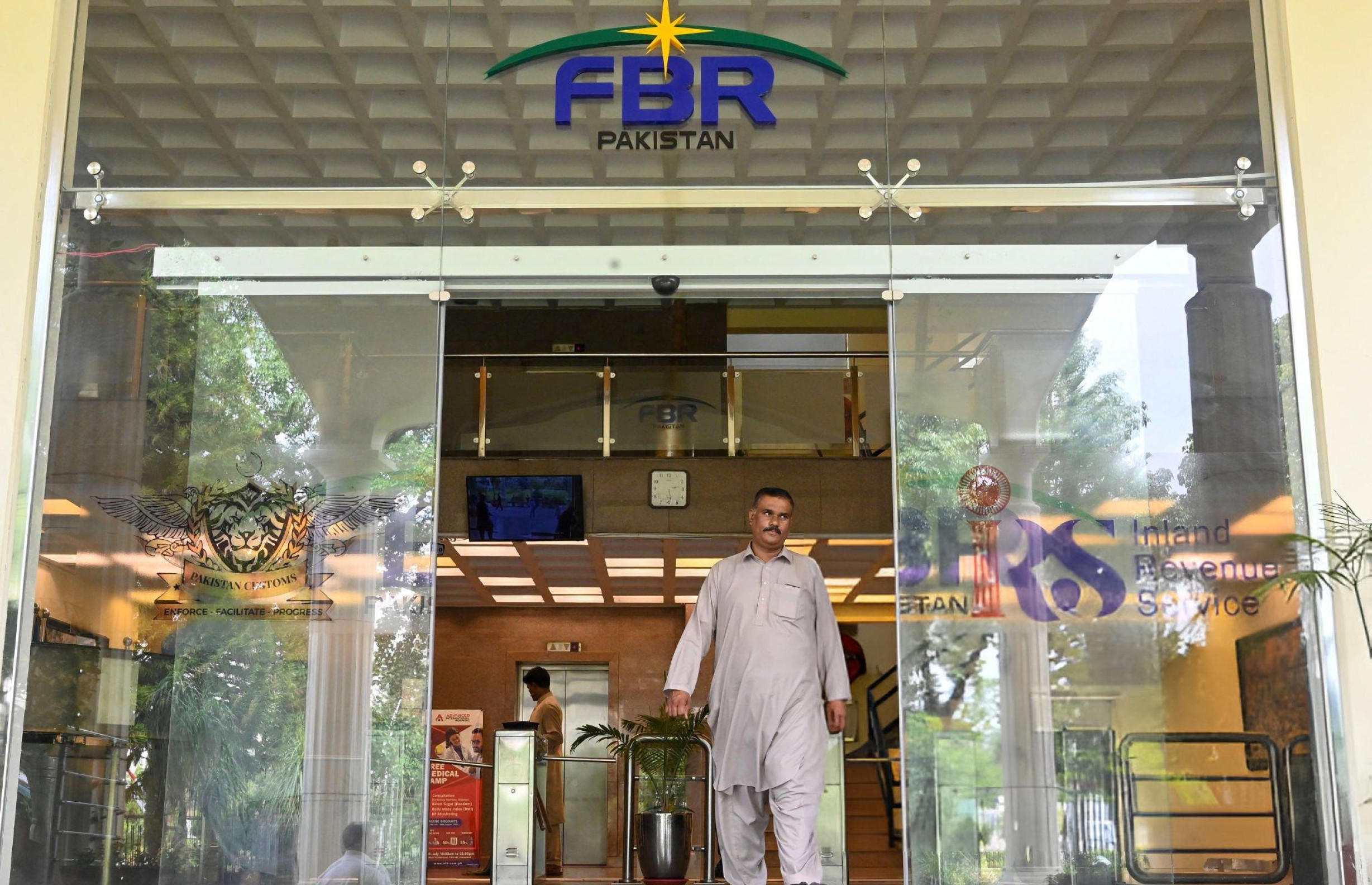
The Lahore High Court’s Rawalpindi bench has restricted the Federal Board of Revenue’s (FBR) authority to amend deemed tax assessments, ruling that Section 122(5A) of the Income Tax Ordinance, 2001 cannot be used for roving inquiries or speculative recovery of revenue, Dawn reported.
In an income tax reference titled Commissioner Inland Revenue versus Sajid Hussain Gondal and others, a division bench comprising Justice Mirza Viqas Rauf and Justice Jawad Hassan clarified the scope of amendment powers under Section 122.
The reference, filed under Section 133 of the ordinance, challenged an order of the Appellate Tribunal Inland Revenue (ATIR), which had set aside an amendment made to a taxpayer’s deemed assessment for tax year 2019. The tribunal had earlier ruled that the FBR’s action under Section 122(5A) was unlawful.
The taxpayer had filed a return for tax year 2019 that became a deemed assessment under Section 120. Subsequently, the Additional Commissioner Inland Revenue issued a show-cause notice under Sections 122(9), 111(1), and 122(5A), alleging discrepancies in declared revenue, purchases, deductions, expenses, and capital declarations.
The department maintained that these discrepancies made the assessment erroneous and prejudicial to the interest of revenue, warranting amendment. Although the assessment was amended in June 2022 and upheld by the Commissioner (Appeals), the ATIR later struck it down in November 2023.
In its detailed judgment, the high court reaffirmed that a deemed assessment under Section 120 cannot be unsettled without meeting strict legal conditions. It drew a distinction between Sections 122(5) and 122(5A), explaining that Section 122(5) applies where audit findings or definite information indicate escaped income or under-assessment, while Section 122(5A) is revisional and applies only where an order is both erroneous and prejudicial to revenue.
The bench held that both elements must exist simultaneously and that suspicion, arithmetic differences, or perceived revenue loss do not meet the statutory requirement.
The court observed that Section 122(5A) does not provide open-ended authority to revisit assessments and is meant to correct clear and demonstrable errors. It stated that revisional powers cannot be used for fishing inquiries and that any claimed prejudice to revenue must be legally established rather than assumed.
Our monitoring team diligently searches the vast expanse of the web to carefully handpick and distill top-tier business and economic news stories and articles, presenting them to you in a concise and informative manner.
View all articles →0 Comments
No comments yet. Be the first to join the discussion!