February 14, 2026
Pakistanis may face another fuel price shock from February 16
Ex-depot sale price of petrol is expected to rise by Rs4.39 per litre, high-speed diesel by Rs5.40

February 14, 2026
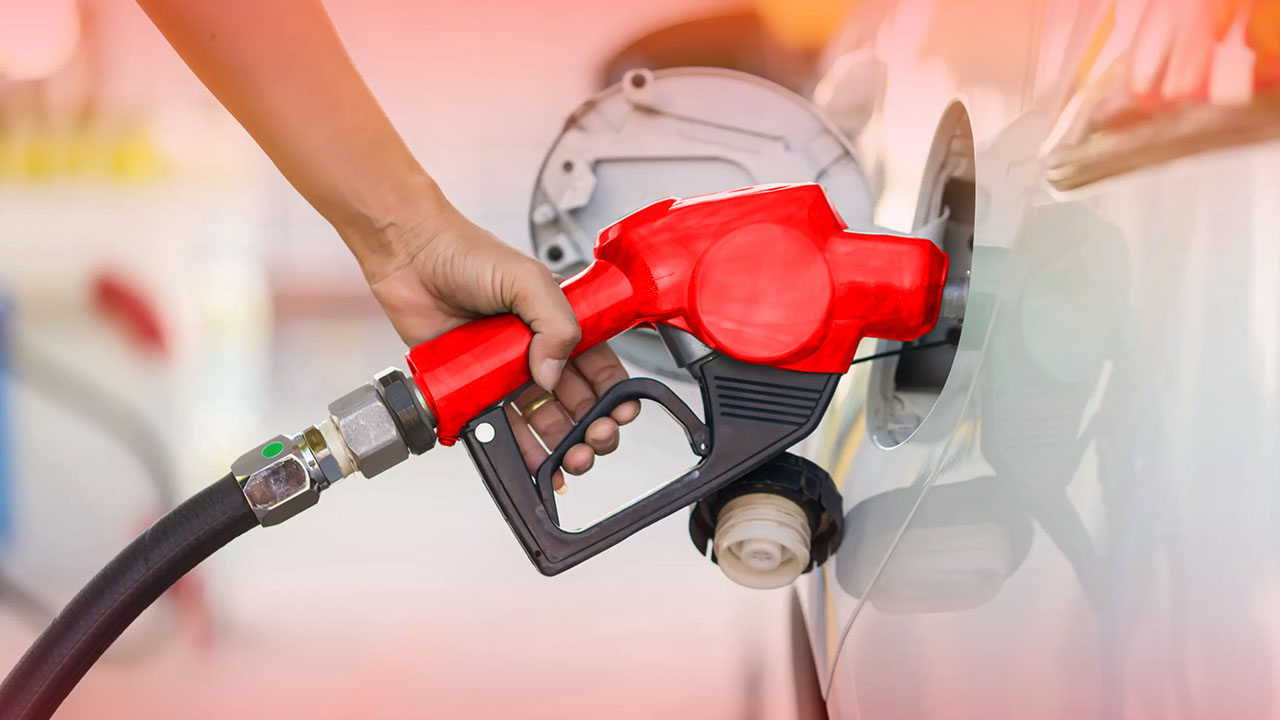
ISLAMABAD: Pakistanis may face another fuel price shock from February 16, 2026, as industry projections indicate petrol prices may rise by Rs4.39 per litre, diesel by Rs5.40, kerosene by Rs4.00 and LDO by Rs6.55, intensifying inflation and transport costs nationwide.
According to the projected pricing details, the ex-depot sale price of petrol (PMG) is expected to rise from Rs253.17 per litre to Rs257.56 per litre, reflecting an increase of Rs4.39 per litre. High-speed diesel (HSD), the most economically sensitive fuel due to its widespread usage in transport and agriculture, is projected to climb from Rs268.38 per litre to Rs273.78 per litre, showing a hike of Rs5.40 per litre.
The ex-depot price of kerosene oil, widely used in remote areas for cooking and lighting, is expected to increase from Rs175.80 per litre to Rs179.80 per litre, marking a rise of Rs4.00 per litre. Meanwhile, light diesel oil (LDO), used mainly in industrial operations, boilers and furnace-related activities, is projected to rise from Rs154.41 per litre to Rs160.96 per litre, indicating an increase of Rs6.55 per litre.
These projected increases are expected to further intensify inflationary pressures, particularly because petroleum prices have a direct impact on transport costs, supply chain expenses and the cost of essential commodities. A rise in diesel prices is especially significant, as it immediately affects freight movement across the country, resulting in increased prices of food items, vegetables, construction materials and industrial goods.
Petrol remains the most commonly used fuel for urban commuting, particularly in motorcycles, private cars, rickshaws and small vehicles. Any increase in petrol prices typically hits middle- and lower-income groups, especially those dependent on motorcycles for daily travel and employment-related movement.
High-speed diesel (HSD), on the other hand, is considered the backbone of Pakistan’s transport system, as it is extensively used in heavy vehicles, buses, trucks and agricultural machinery. As diesel powers most of the country’s freight transport, its price hike often leads to a ripple effect, pushing up public transport fares and raising the cost of goods transported between cities.
Kerosene oil continues to play an important role for low-income consumers, especially in far-flung areas where natural gas supply is unavailable and electricity remains unreliable. It is also used in some regions during winter for heating purposes, making its price increase an additional burden for vulnerable households already struggling with rising energy costs.
Light diesel oil (LDO) is largely consumed by industries and commercial sectors, particularly for generators, heating systems and small industrial furnace operations. Any increase in LDO prices adds to production costs, which can ultimately translate into higher prices for manufactured products and services.
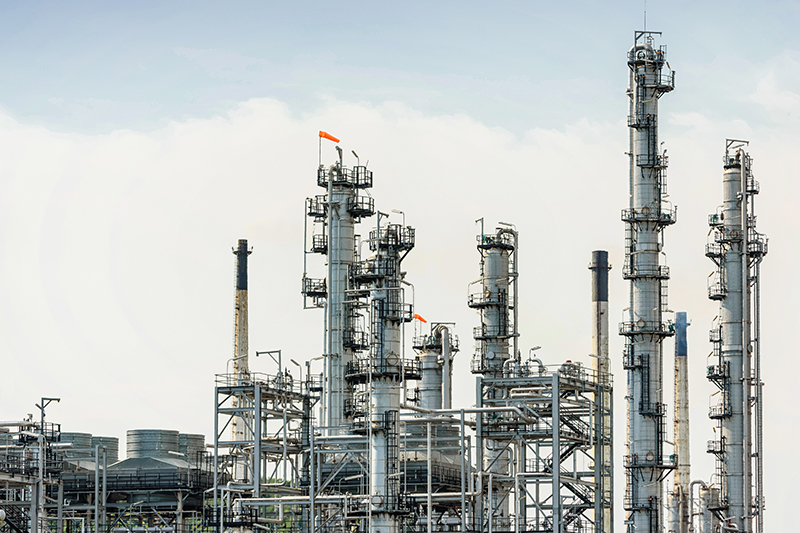
The projections also show an increase in ex-refinery prices, reflecting the pricing trend before taxes, duties and distribution margins are added. The ex-refinery price of petrol is expected to rise from Rs141.60 per litre to Rs145.99 per litre, indicating an increase of Rs4.39 per litre. High-speed diesel is projected to increase from Rs166.68 per litre to Rs172.08 per litre, showing a hike of Rs5.40 per litre.
Similarly, the ex-refinery price of kerosene oil is projected to rise from Rs146.52 per litre to Rs150.52 per litre, marking an increase of Rs4.00 per litre. Light diesel oil is expected to see the highest refinery-level jump, rising from Rs132.37 per litre to Rs139.42 per litre, reflecting an increase of Rs7.05 per litre.
If implemented, the projected increase in petroleum prices from February 16 would further squeeze consumers and businesses already burdened by high inflation, while adding to transport and production costs across the economy, potentially triggering another wave of price hikes in essential goods and services.
The author is a an investigative journalist at Profit. He can be reached at [email protected].
View all articles →0 Comments
No comments yet. Be the first to join the discussion!