June 5, 2026
Indian central bank keeps policy rate unchanged at 5.25%, unveils measures to support rupee
Indian currency declines 5% this year after recording a similar fall in 2025; RBI cites deteriorating global outlook, rising inflation risks as policy committee waits for greater clarity and monitors broader price pressures

June 5, 2026
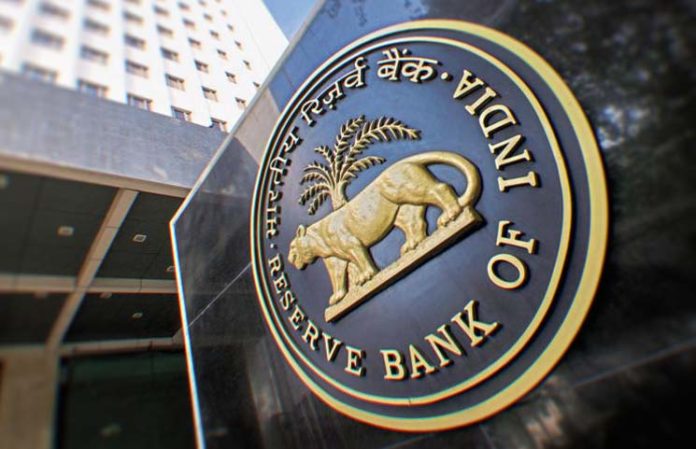
The Reserve Bank of India kept its policy repo rate unchanged at 5.25% on Friday and announced measures aimed at attracting dollar inflows as higher oil prices and foreign fund withdrawals continued to pressure the rupee following the Iran war.
The Monetary Policy Committee voted unanimously to maintain the repo rate, in line with the expectations of nearly 80% of the 56 economists polled by Reuters.
The committee also retained its neutral policy stance.
RBI Governor Sanjay Malhotra said the global economic environment had deteriorated and the committee considered it appropriate to wait for greater clarity before changing interest rates.
He said inflation was expected to increase, although underlying price pressures remained contained. The central bank would continue monitoring the risk of higher prices spreading across the economy.
The decision to hold rates was accompanied by government and central bank measures designed to encourage foreign currency inflows and support the rupee without adding pressure on economic growth.
The government said it would abolish capital gains tax for foreign investors in government bonds and remove the 20% tax on interest earned from such investments, with effect from April 1, 2026.
Foreign investors are otherwise subject to a 12.5% long-term capital gains tax on listed shares and bonds held for more than 12 months.
The RBI also announced concessional foreign exchange swaps until September 30 to encourage state-owned companies to raise funds through dollar-denominated borrowing.
It will also compensate banks for hedging costs linked to three-year and five-year foreign currency non-resident deposits offered to overseas Indians.
Sachchidanand Shukla, group chief economist at Larsen & Toubro, estimated that the combined measures could attract between $40 billion and $60 billion.
The rupee strengthened 0.35% to 95.48 against the dollar after the policy announcement, while India’s benchmark 10-year government bond yield edged down to 6.96%.
Benchmark equity indices extended early gains and were trading 0.2% higher.
The rupee has fallen nearly 5% to record lows since the Gulf conflict began in late February, as the war-driven increase in crude oil prices and record foreign portfolio outflows raised pressure on India’s external position.
The currency has declined 5% this year after recording a similar fall in 2025.
Some analysts had called for an interest rate increase to support the rupee, but the RBI chose to hold rates while using separate measures to attract foreign exchange.
Other central banks in the region have already responded to currency pressure. Indonesia, the Philippines and Sri Lanka have raised interest rates in recent weeks, while South Korea has kept rates unchanged but indicated that a policy shift could follow.
Economists have warned that higher oil prices and capital outflows could widen India’s balance-of-payments deficit to around $65 billion during the current fiscal year.
The RBI also revised its inflation and economic growth projections.
Average retail inflation for the current financial year is now forecast at 5.1%, compared with an earlier estimate of 4.6%.
The central bank raised its core inflation projection to 4.7% from 4.4%.
Retail inflation currently remains below the RBI’s 4% target and is expected to stay within its tolerance range of 2% to 6% during the fiscal year, providing room to keep interest rates unchanged for now.
The RBI lowered its gross domestic product growth forecast for the current financial year to 6.6% from the 6.9% projected in April.
India’s economy is estimated to have expanded by 7.6% in the financial year that ended on March 31, 2026, with official data due later on Friday.
Malhotra said uncertainty in the global economy and the possibility of a weak monsoon posed downside risks to growth.
However, high-frequency indicators, including industrial production and purchasing managers’ indices, continued to show momentum in economic activity.
Upasna Bhardwaj, chief economist at Kotak Mahindra Bank, said increased inflation risks could lead the RBI to begin raising rates in October, with a cumulative increase of 50 basis points expected.
0 Comments
No comments yet. Be the first to join the discussion!