US bank lending touches record as deposits fall, Fed data show
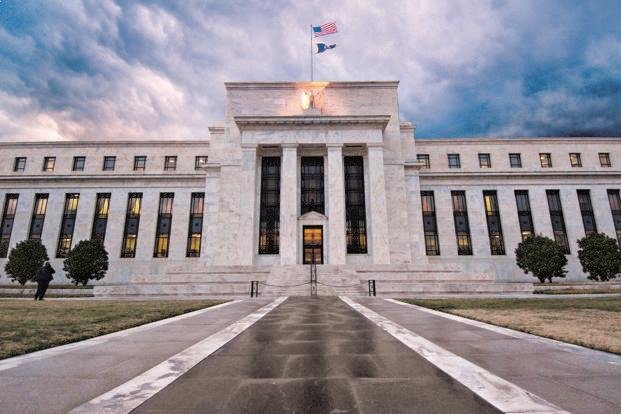
Deposits at U.S. commercial banks fell toward the end of April to the lowest in nearly two years, data released on Friday by the Federal Reserve showed, while overall credit provided by banks moved up, led by a record level of outstanding loans and leases.
Deposits on a nonseasonally adjusted basis fell in the week ended April 26 to about $17.1 trillion, a drop of about $120 billion from the week earlier. That was the lowest level since June 2021, with deposits now having declined by more than $500 billion from the week before Silicon Valley Bank (SVB) collapsed in March.
On a seasonally adjusted basis, which takes that pattern into account, deposits have changed little since the end of March.
At large U.S. banks deposits fell to $10.54 trillion from $10.61 trillion a week earlier, on a nonseasonally adjusted basis. Deposits at small banks totaled $5.32 trillion, compared with $5.34 trillion.
Total banking system credit rose for a second week to $17.37 trillion led by an increase in loans and leases to a record high $12.11 trillion, on a nonseasonally adjusted basis, from $12.07 trillion in the previous week. Nevertheless, loan growth has flattened out in recent months: the annual growth rate has cooled from a double-digit pace late last year to about 9% as April was ending, suggesting tighter conditions are beginning to temper bank credit.
Comments
No comments yet. Be the first to join the discussion!