Inflation drops to 21% in March amid economic measures
This rate is the lowest in 22 months, dropping substantially from a high of 37.97% in May 2023

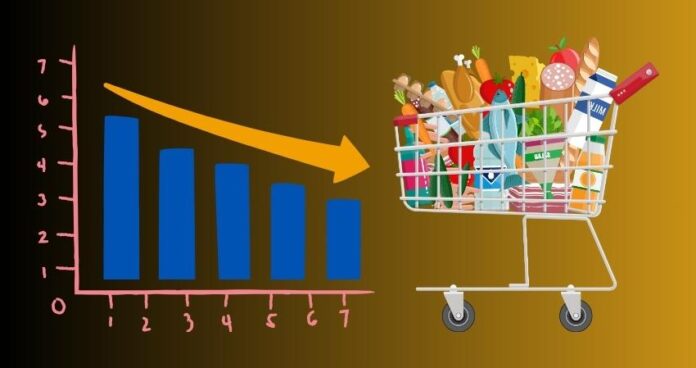
March witnessed a decline in inflation to 20.7% year-on-year, marking a continuous reduction for the third consecutive month from 23.06% in February, influenced by a high base effect and improved domestic and international circumstances.
This rate represents the lowest inflation level in 22 months, significantly down from a peak of 37.97% in May 2023, largely attributed to the stringent implementation of the International Monetary Fund's (IMF) bailout conditions.
Inflation fell short of the finance ministry's anticipated range of 22.5% to 23.5% for March 2024.
Notable price decreases were observed in cooking oil, vegetable ghee, and certain vegetables such as potatoes and tomatoes, despite their increased demand during Ramazan.
Future projections by the IMF and the central bank suggest a further decline in inflation in the last quarter of the fiscal year.
However, the recent 3.5% increase in petrol prices to Rs289.41 per liter, announced before Eidul Fitr, is expected to push up transportation costs, potentially affecting the inflation rate in April.
Historically, headline inflation lingered around 29% for three months until December 2023, driven by rising costs of basic food items and higher gas and electricity tariffs.
But from January 2024 onwards, a downward trend in inflation has been noted.
The average inflation rate for the first nine months of FY24 was 27.06%, slightly above the 27.26% of the previous year, exceeding the government's forecast of 21%.
The IMF anticipates an average inflation rate of 25.9% for FY24, indicating a reduction from 29.6% the prior year.
The Pakistan Bureau of Statistics reported a 1.7% month-on-month inflation increase in March, with last year’s March inflation at 35.4%.
Urban inflation for March was 21.9% year-on-year, with rural inflation at 19%, showing a decrease from February’s figures.
March's food inflation was 16.6% in urban areas and 17.1% in rural areas, while non-food inflation stood at 25.8% in urban and 21% in rural areas. Core inflation, excluding food and energy, decreased to 12.8% in urban areas and 20% in rural areas.
Notable monthly price increases in urban areas were seen in tomatoes, onions, potatoes, fresh fruits, and vegetables, among others.
Conversely, prices for chicken, cooking oil, eggs, and wheat saw reductions. In the non-food category, electricity charges, tailoring, and liquified hydrocarbons experienced price hikes, while transport services saw a significant decrease.
6 Comments
No comments yet. Be the first to join the discussion!