Pakistan, Uzbekistan turn to China corridor as Afghan, Iran routes falter
Revised transit protocol seeks to keep bilateral trade moving as Pakistan’s conflict with Afghanistan and renewed US-Iran fighting disrupt established western trade links

ISLAMABAD: Pakistan and Uzbekistan have agreed in principle to route bilateral transit trade through China as the closure of trade corridors through Afghanistan and renewed fighting between Iran and the United States leave Islamabad with fewer reliable links to Central Asia, officials familiar with the matter said.
The two countries are expected to sign a protocol incorporating additions and amendments into the Pakistan-Uzbekistan Transit Trade Agreement during the visit of Uzbekistan’s Deputy Prime Minister to Pakistan on July 21st (today).
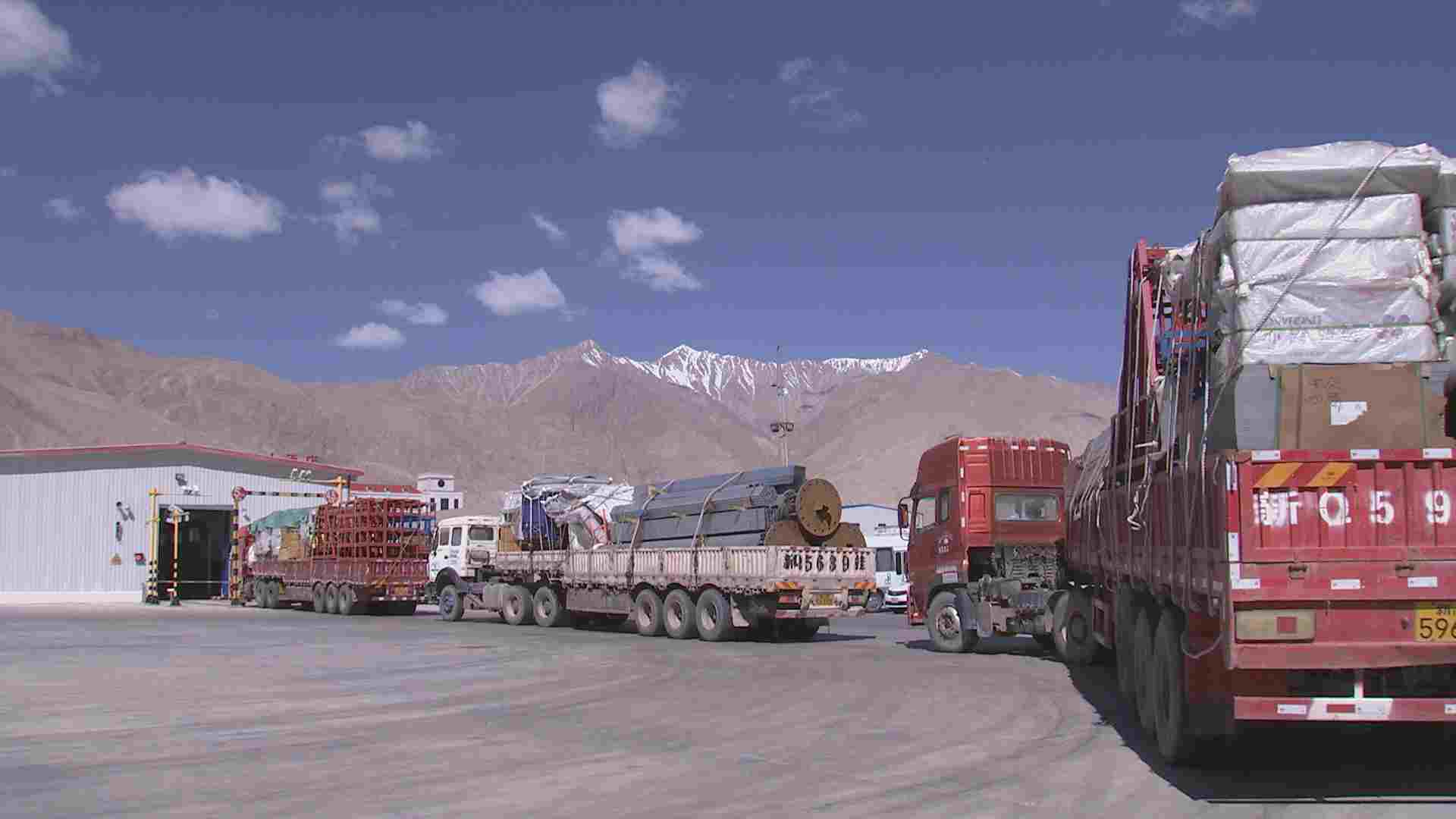
The amendment will formally add the China corridor to the available routes under the agreement, allowing goods to move through the Sost Dry Port and western China before entering Central Asia.
“The protocol is aimed at expanding transit options and ensuring uninterrupted movement of goods between the two countries despite evolving regional security challenges,” an official said on condition of anonymity.
Pakistan plans to use the corridor as an additional route for trade destined for the Central Asian Republics, including Uzbekistan. Tashkent, meanwhile, will retain access to Pakistan’s seaports under the revised framework, the official added.
The agreement reflects how quickly Pakistan’s regional connectivity plans have been overtaken by security developments on both its western borders.
For years, the shortest and commercially most attractive route between Pakistan and Uzbekistan ran through Afghanistan. The proposed Uzbekistan-Afghanistan-Pakistan corridor was also expected to become the foundation for a railway connecting Central Asia with the Arabian Sea.
That route, however, has effectively been unavailable since relations between Islamabad and Kabul deteriorated sharply. Pakistan closed its main border crossings, including Torkham and Chaman, after cross-border clashes in October 2025. Trade through the main crossings has remained suspended amid continued fighting and disagreements over militant groups operating from Afghan territory.
The closure has affected more than transit cargo. Afghanistan itself has traditionally been an important market for Pakistani manufacturers, particularly because of its limited domestic industrial capacity.
Pakistani companies export cooking oil, soap, cement, aluminium cans, food products, pharmaceuticals and other basic consumer and construction goods to Afghanistan. The shutdown has therefore blocked both a route to Central Asia and a sizable export destination immediately across the border.
Business groups estimated earlier this year that the prolonged closure was costing Pakistani exporters around $177 million a month, with traders warning that Afghan and Central Asian buyers could permanently shift to suppliers using Iranian or other regional routes.
Iran initially appeared to offer Pakistan a workable alternative. Islamabad operationalised new corridors through Iran and China in April, including an Iranian route designed to connect Pakistani ports with Central Asian markets while bypassing Afghanistan. Pakistan also opened overland crossings to move cargo that had become stranded after maritime traffic through the Strait of Hormuz was disrupted.
But the renewed Iran-US war has weakened the dependability of that option. US strikes on Iran continued for a ninth consecutive day on Monday, while attacks on commercial vessels and infrastructure around the Strait of Hormuz raised freight, insurance and energy risks across the region.
The China corridor consequently gives Pakistan and Uzbekistan a route that avoids both Afghanistan and Iran. It also supports Islamabad’s longer-term attempt to extend the China-Pakistan Economic Corridor towards Central Asia.
The route will nevertheless be longer and potentially more expensive than direct passage through Afghanistan. Cargo will face additional border procedures, handling costs and transit time, meaning the corridor is more likely to serve as a strategic safeguard than a complete commercial replacement for the Afghan route.
The decision is particularly important because Uzbekistan is Pakistan’s second-largest trading partner among the Central Asian Republics. A series of bilateral trade and transit agreements signed in recent years has helped expand commercial ties, although trade remains below the targets repeatedly set by both governments.
Bilateral trade reached $445.9 million in 2025. Pakistan exported goods worth $120.9 million to Uzbekistan, including food products valued at $56.2 million, chemical products worth $45.3 million, industrial goods worth $6.4 million and finished products totalling $5.2 million.
Pakistan imported $325 million worth of goods and services from Uzbekistan during the same period. These included food products valued at $260.2 million, services worth $30.1 million, industrial goods worth $21.2 million and non-food raw materials totalling $13.2 million.
Pakistan was Uzbekistan’s third-largest trading partner in South Asia in 2025, accounting for 12.7% of Tashkent’s total trade with the region.
The revised agreement will not resolve the cost and distance disadvantages created by the loss of the Afghan route. It will, however, prevent Pakistan’s Central Asian trade policy from remaining dependent on any single border or conflict-prone transit country.
For Islamabad, that redundancy has moved from being a long-term connectivity ambition to an immediate commercial necessity.

The writer is a member of Pakistan Today's Islamabad bureau. He can be reached at [email protected].
View all articles →1 Comment
No comments yet. Be the first to join the discussion!