Petrol prices may rise Rs10, diesel Rs40 per litre
Final prices will depend on the remaining Platts assessment, exchange-rate movement and whether the government reduces or sustains the petroleum levy
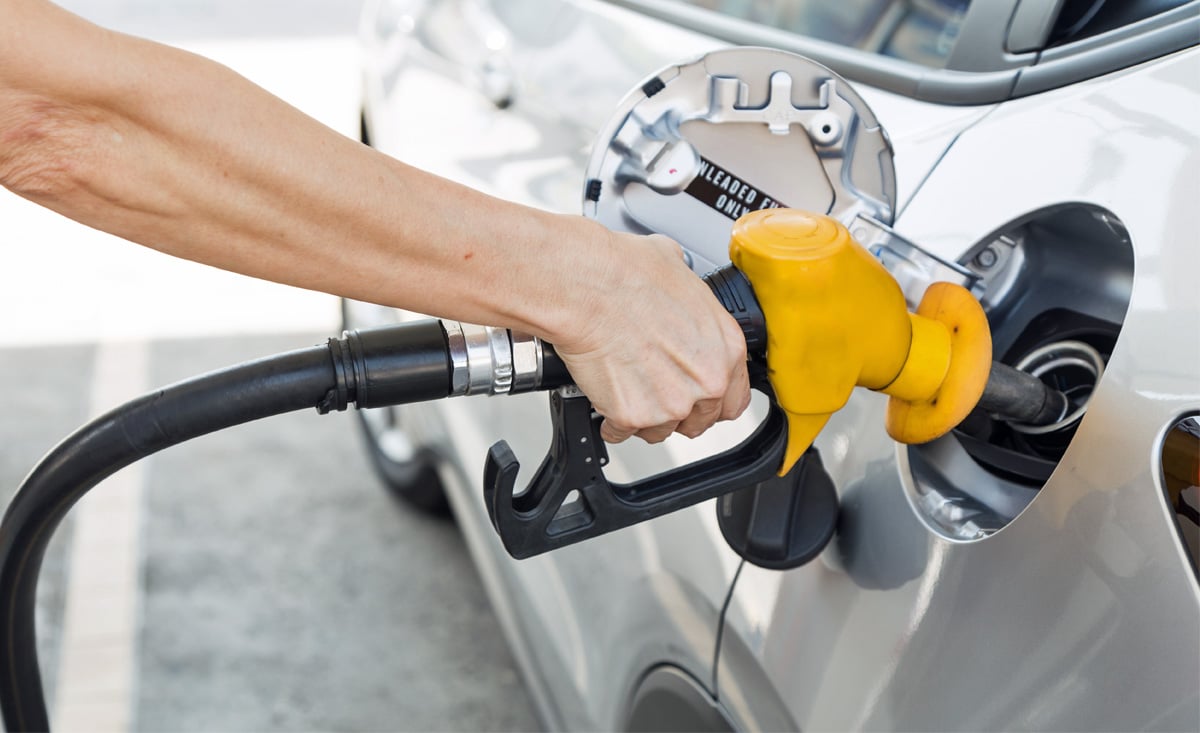
Consumers already facing rising inflation may be hit by another increase in fuel prices, with petrol expected to become costlier by around Rs10 per litre and high-speed diesel (HSD) by nearly Rs40 per litre in the upcoming revision on Friday night.
The estimates are based on international benchmark prices recorded so far during the ongoing pricing period, while one day’s Platts assessment remains. Depending on the final benchmark rates, the projected increases could widen or narrow before consumer prices are calculated.
The expected increase would come barely a week after the July 10 fuel price revision, when the government raised petrol prices by Rs13.18 per litre to Rs310.71 per litre and increased HSD prices by Rs13.80 per litre to Rs323.30 per litre.
Industry sources said the federal government still has the option to shield consumers from the expected increase by reducing the petroleum development levy (PDL), a key component of petroleum prices that falls entirely within the government’s control.
A reduction in the levy could allow the government to absorb part of the impact of higher international petroleum prices. A sufficiently large cut could even enable it to maintain petrol and diesel prices at their existing levels.
However, if the petroleum levy remains unchanged, consumers are likely to bear the full impact of the increase in international prices.
The final adjustment in petrol and HSD prices will depend on the remaining Platts assessment, exchange-rate movements and the government’s decision on the petroleum levy before the revised rates are notified.
Pakistan determines domestic fuel prices under the Import Parity Pricing mechanism, which links the ex-refinery prices of petroleum products to international Platts assessments for refined petroleum products in the Arab Gulf market.
The benchmark prices are adjusted for premiums, freight charges, marine insurance, port-handling expenses, inland freight and exchange-rate movements before ex-refinery prices are finalised.
The government then adds the petroleum levy, inland freight equalisation margin, oil marketing companies’ margins, dealers’ commission and other applicable charges to determine the final retail prices paid by consumers.
If the projected increase materialises, it could add to inflationary pressures by raising transportation and logistics costs across the country.

The author is a an investigative journalist at Profit. He can be reached at [email protected].
View all articles →Comments
No comments yet. Be the first to join the discussion!