January 23, 2026
Asia LNG prices surge to nine-week high as cold snap lifts heating demand
March delivery into Northeast Asia hits $11.35/mmBtu amid winter chill, while European market retains premium
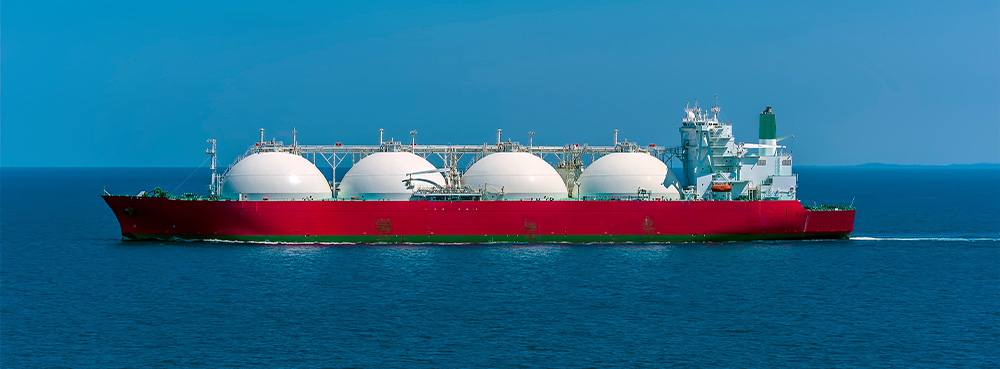
Spot liquefied natural gas (LNG) prices in Asia rose for a second consecutive week, reaching a nine-week high as colder-than-usual winter temperatures across the northern hemisphere drove higher heating demand.
Industry sources estimated the average LNG price for March delivery into Northeast Asia at $11.35 per million British thermal units (mmBtu), up 12.4% from $10.10/mmBtu the previous week and the highest since November 21.
Market analysts said the cold weather in parts of Asia was supporting elevated heating demand, but prices in the region remained below European levels, where strong demand and limited supply kept LNG premiums high. At least two LNG tankers initially bound for Asia diverted to Europe and Turkiye last week, according to shiptracking data.
In Europe, S&P Global Energy assessed the daily Northwest Europe LNG Marker (NWM) for March delivery at $11.622/mmBtu on January 22, a $0.81/mmBtu discount to the Dutch TTF hub. Argus reported the same cargoes at $11.76/mmBtu, while Spark Commodities assessed February delivery at $12.444/mmBtu. Analysts attributed recent price gains to forecasts for extended cold in February and potential disruptions to U.S. LNG exports due to an exceptionally cold pattern across the southern U.S.
Hedge funds executed one of the largest repositioning events in TTF history last week, moving from net short to net long in a short squeeze that pushed European prices to highs not seen since last summer. Commercial operators, however, began selling into the rally, hedging future cargoes at profitable levels.
LNG freight rates also eased, with Atlantic rates falling to $16,250 per day and Pacific rates to $34,250 per day, while the U.S. front-month arbitrage to Northeast Asia via the Cape of Good Hope narrowed, further signalling Europe as the preferred destination for prompt cargoes.
Analysts said fundamentals remain relatively weak, with abundant supply and marginal heating demand being absorbed by existing shipments, suggesting Asian prices are unlikely to sustain elevated levels unless cold conditions persist.
0 Comments
No comments yet. Be the first to join the discussion!