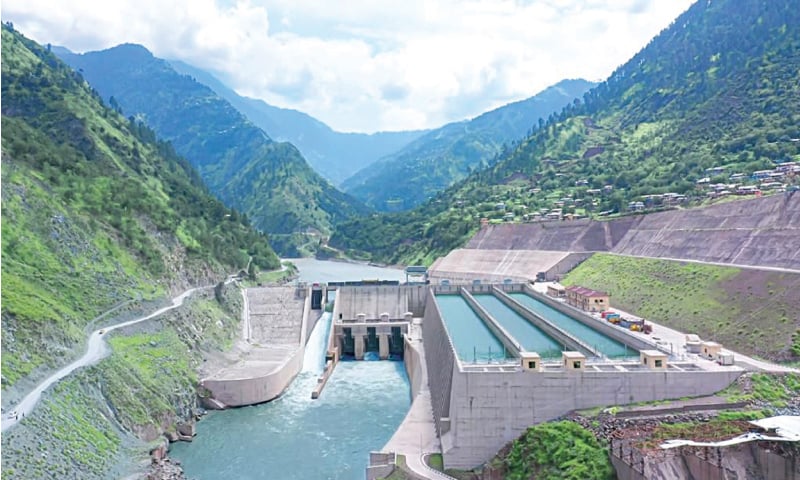
Planning failures, delays push Dasu, Diamer Bhasha, Neelum Jhelum cost to Rs3.9 trillion
AGP report flags 257% cost overrun at Dasu, Rs29bn annual loss and Rs99bn business interruption loss at Neelum Jhelum, and slow progress on Diamer Bhasha despite major spending
Delays, land acquisition issues, design revisions and operational failures have pushed the combined cost exposure of Dasu Hydropower Project, Diamer Bhasha Dam Project and Neelum Jhelum Hydropower Project to Rs3.9 trillion, according to the Auditor General of Pakistan’s report for 2025-26.
The report said the three projects created an immediate fiscal impact of more than Rs358 billion in FY2024-25 through direct losses, revenue shortfalls and unapproved overruns.
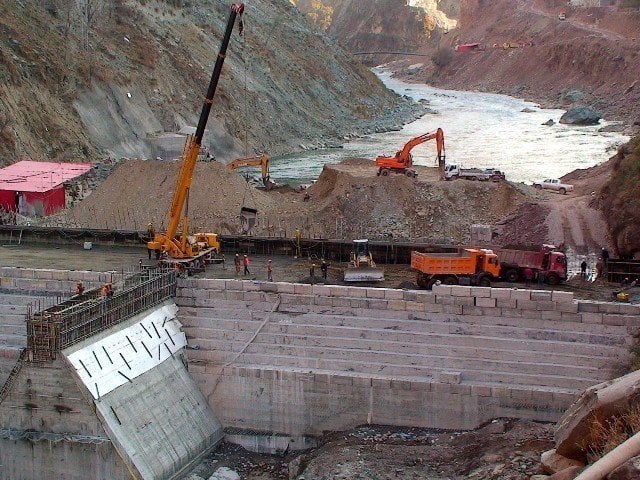
At the Dasu Hydropower Project, the audit recorded a 257% cost overrun, with the Stage-I cost rising from the original estimate of Rs486 billion to the approved cost of Rs1.737 trillion.
The project has achieved 26.08% physical progress despite using 84.82% of its original financial allocation. Its completion date has shifted from the original 2019 target to November 2028, showing a delay of nine years.
Stage-I expenditure stood at Rs412.289 billion by June 2025 against a progressive budget allocation of Rs695.066 billion. The financing used so far includes Rs168.750 billion from Wapda equity, including interest during construction, Rs113.563 billion through a local commercial loan led by HBL, Rs79.273 billion from World Bank IDA-1 credit and Rs50.703 billion from Credit Suisse.
The audit said Dasu had still not acquired all required land after 11 years. The land requirement was rationalised to 5,685 acres, but about 654 acres in District Diamer remained unacquired due to compensation disputes and security-related disruptions.
The AGP also flagged direct contracting of a safe city consultancy in violation of PPRA rules, non-recovery of profit earned by officials on land funds and payment of inadmissible allowances to provincial employees without Finance Division clearance. The report noted that five project directors had served before the current chief, Amir Shafiq-Ur-Rehman.
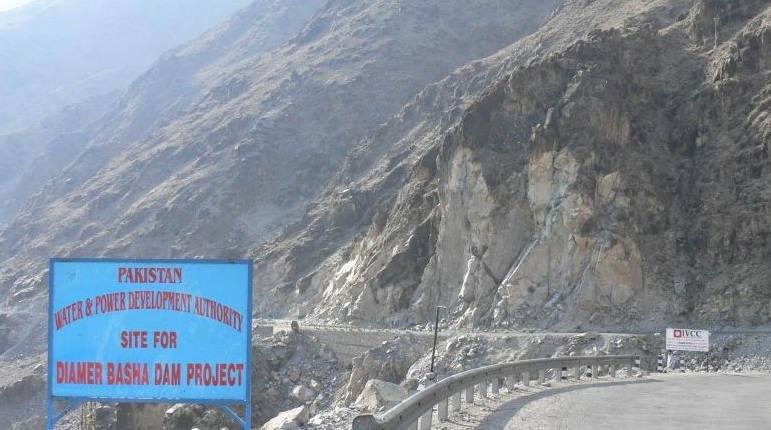
At the Diamer Bhasha Dam Project, physical progress stood at 19.95%, compared with financial progress of 39.67% and the planned progress target of 57.78% for FY2024-25.
The original PC-I cost of the main dam construction was Rs479 billion. The report said Rs151 billion had already been spent on land acquisition and resettlement against a revised budget of Rs149 billion, while the unawarded PC-I for future power generation facilities requires Rs1.424 trillion.
Cumulative expenditure on the dam part reached Rs190.305 billion by June 2025 against an awarded contract price of Rs442.403 billion to M/s Power China-FWO Joint Venture.
The project has not acquired all required land despite 17 years having passed. Out of the rationalised requirement of 35,924 acres, 3,134 acres remain unacquired.
Resettlement of around 30,350 affected persons, covering 4,102 households, has also been delayed. The report said only one model village at Harpan Das was under construction.
The audit also pointed to unauthorised cash transfers to private bank accounts of Land Acquisition Collectors, irregular allowances and repeated post-award design revisions, which have delayed the project beyond the June 2027 timeline for the dam part.
The Neelum Jhelum Hydropower Project remained shut after the Tailrace Tunnel collapsed in July 2022 and the Headrace Tunnel collapsed in May 2024.
The report said the project suffered an annual net loss of Rs29 billion and a business interruption loss of Rs99 billion. It also faced a revenue shortfall of Rs77.346 billion due to unapproved tariffs.
Neelum Jhelum failed to meet its annual generation target of 5,150 GWh and recovered Rs180.170 billion against an approved project cost of Rs418.885 billion.
The audit said current liabilities exceeded current assets by Rs307.894 billion, creating a liquidity crisis. It also criticised management for not restoring powerhouse operations and not fixing responsibility for the tunnel collapses.
An insurance claim of Rs41.965 billion for the Tailrace Tunnel collapse remains un-indemnified. Another insurance policy worth Rs415.800 billion expired in 2023 without renewal, leaving around Rs267 billion in project assets uninsured.
The report also said 69% of receivables were overdue beyond 120 days, while repeated design changes, weak cost controls and unauthorised employee allowances added to the project’s financial issues.

Our monitoring team diligently searches the vast expanse of the web to carefully handpick and distill top-tier business and economic news stories and articles, presenting them to you in a concise and informative manner.
View all articles →Comments
No comments yet. Be the first to join the discussion!