Food, fuel prices push weekly inflation to 0.91%, annual SPI to 9.66%
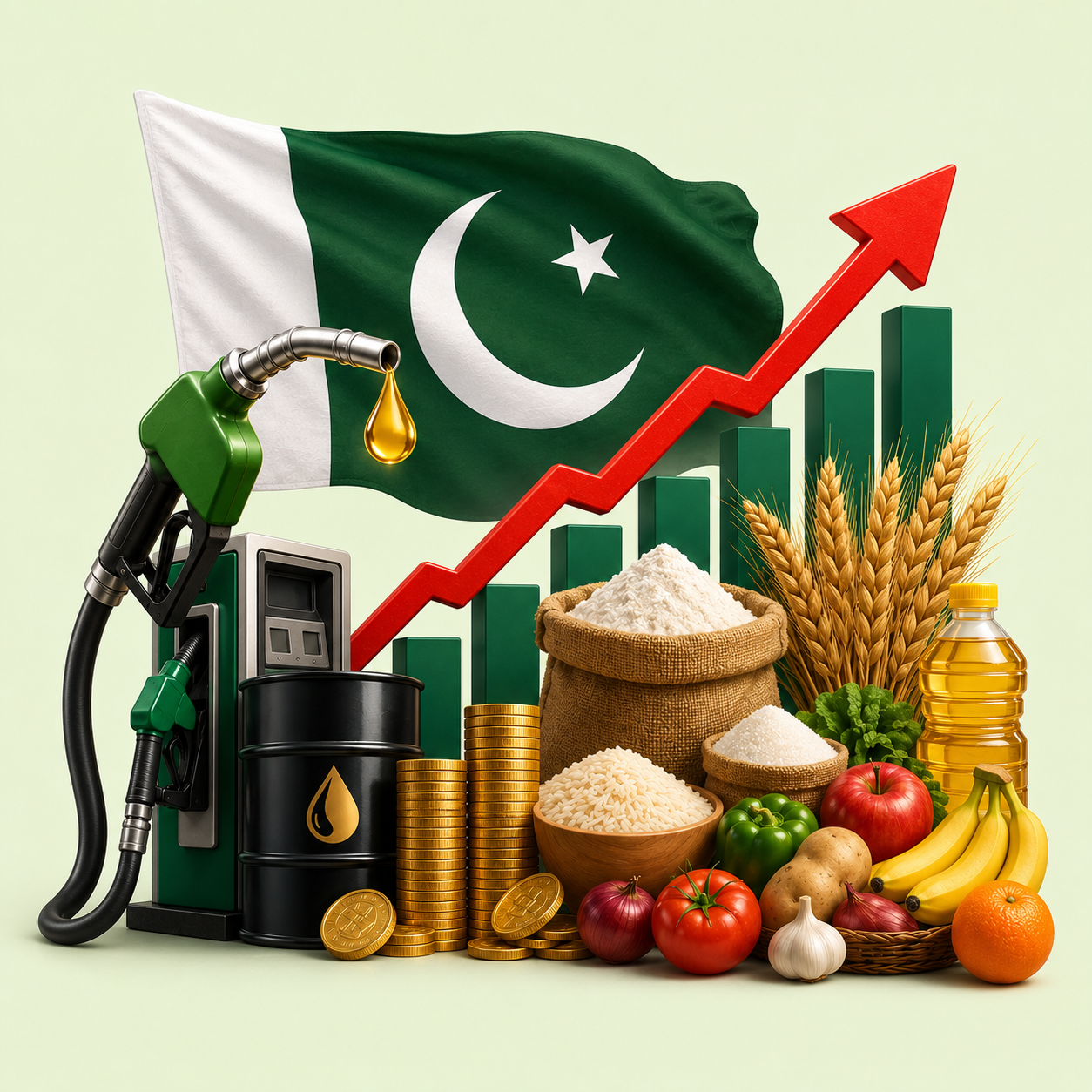
PBS data shows tomato prices surge 40%, diesel rises 15.87%, eggs up 7.31% and petrol up 5.23% also drove up the cost of essential goods during the week

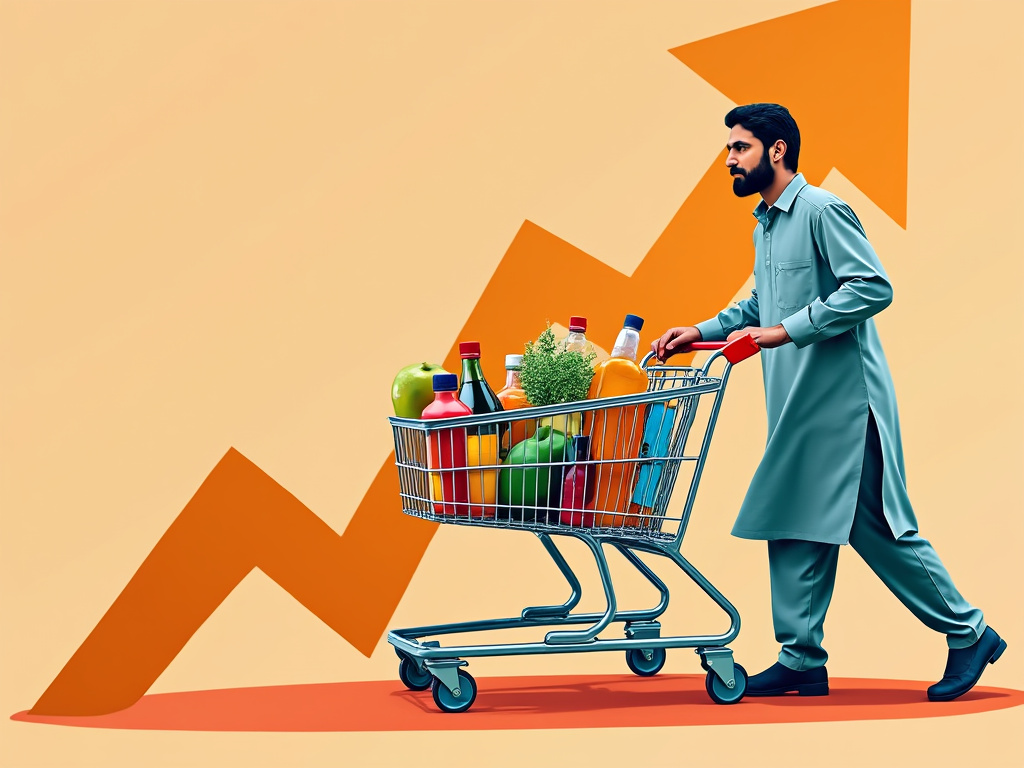
ISLAMABAD: Pakistan's Sensitive Price Indicator (SPI) rose by 0.91% during the week ended July 23, 2026, compared to the previous week, while the year-on-year inflation reading stood at 9.66%, according to data released by the Pakistan Bureau of Statistics (PBS).
The SPI tracks the price movement of 51 essential items across 50 markets in 17 cities to gauge short-term inflation trends. Tomatoes led the weekly increase, with prices surging by nearly 40 percent. Diesel prices rose by close to 16 percent, while eggs became almost 7.5 percent more expensive. Petrol prices increased by over 5 percent, and potatoes went up by nearly 4 percent. Smaller increases were recorded in LPG, cooked daal, Tea Lipton, mustard oil, garlic, cooked beef and washing soap, all of which rose by less than 1 percent during the week.
On the other hand, chicken prices fell by nearly 4.7 percent, the sharpest weekly decline among all items. Bananas became almost 2 percent cheaper, while pulse moong and pulse mash both dropped by just over 1 percent. Smaller declines were seen in Rice IRRI-6/9, pulse masoor, sugar, and pulse gram.
Out of the 51 items tracked during the week, prices of 22 items rose, 8 items fell, and 21 items remained unchanged.
On an annual basis, tomato prices more than tripled, registering the steepest increase among all items at over 253 percent compared to the same week last year. Onion prices climbed by more than 81 percent, while wheat flour became nearly 74 percent costlier. LPG prices rose by close to 47 percent annually, and diesel increased by nearly 32 percent. Electricity charges for the first quarter went up by almost 23 percent, while petrol rose by over 20 percent. Mutton, chilies powder, beef and bananas all recorded double-digit annual increases, while plain bread rose by nearly 10 percent.
In contrast, some items became cheaper compared to a year earlier despite the overall rise in inflation. Potato prices fell by nearly 33 percent, the steepest annual decline recorded. Pulse gram dropped by close to 21.5 percent, sugar by nearly 18 percent, and salt powder by just over 14 percent. Chicken and pulse masoor both declined by roughly 13.5 to 14 percent, while eggs and pulse moong fell by around 9 percent each.
The PBS data also showed how inflation affected different income brackets. Among the five consumption quintiles, the highest income group recorded the largest weekly increase at nearly 1 percent, while the lowest income group, earning up to Rs17,732 a month, saw prices rise by close to 0.87 percent during the week.
On a year-on-year basis, however, the trend reversed, with lower-income groups bearing a heavier burden. The lowest income bracket recorded the highest annual increase among all quintiles at just over 10 percent, followed closely by the second-lowest income group.
Middle and upper-income groups saw comparatively smaller annual increases, ranging between roughly 9 and 9.3 percent.
The SPI, computed with base year 2015-16 as 100, is released weekly by the PBS to monitor short-term price trends of essential commodities across all income groups.
Comments
No comments yet. Be the first to join the discussion!