Tarbela-5 cost surges to Rs317 billion after cofferdam collapse delays project by two years
Inquiry holds Wapda, contractor and consultant responsible for unauthorised design changes as generation cost may rise to Rs27-28 per unit

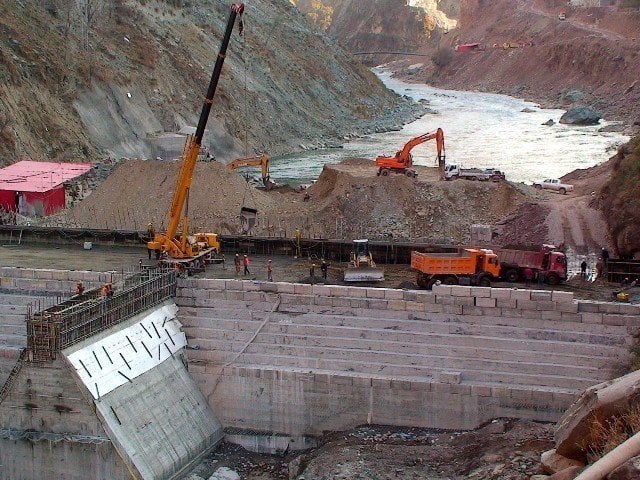
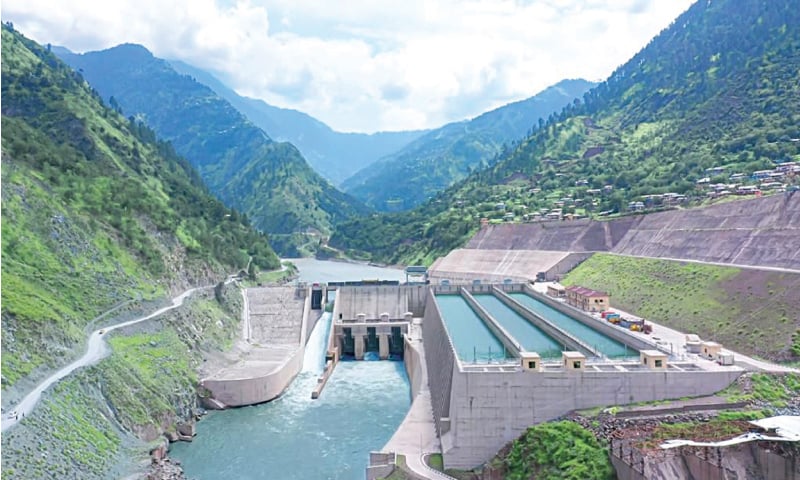
A government inquiry has held the contractor, consultant and Water and Power Development Authority responsible for the cofferdam collapse at the 1,530MW Tarbela-5 Extension Hydropower Project, finding that unauthorised design changes and contractual violations contributed to the failure, Dawn reported.
The incident has delayed the project by at least two years and pushed its estimated cost from Rs82.36 billion in 2017 to Rs317 billion, an increase of more than 285%.
The project, backed by $700 million in financing from the World Bank and the Asian Infrastructure Investment Bank, is now expected to be completed by the end of June 2028 instead of 2026.
According to the Planning Commission, the escalation could raise the project’s levelised generation cost over 30 years to around Rs27-28 per unit, potentially making it the country’s most expensive renewable energy project and economically unsustainable.
The three-member inquiry committee investigated the August 2025 collapse and concluded that the incident followed a series of extra-contractual actions by all three parties.
The contractor, Power Construction Corporation of China Ltd, HEI and HEM, proposed replacing the approved cofferdam design with a rock-filled structure, despite the contract not permitting such a change.
The consultant, UK-based MM Pakistan-BIDR China, conditionally accepted the design deficiency without ensuring technical compliance, while Wapda approved the change when construction was nearing completion without examining its contractual validity or technical risks.
The inquiry found that the changed design was used across the project, including the channel area where the collapse later occurred.
The parties attributed the incident to flooding, but the committee found that water flows remained within Tarbela’s historical range and were substantially below the cofferdam’s design capacity. It instead identified inadequate protection layers and filter arrangements as contributing factors.
The committee also found weaknesses in monitoring. Wapda requested a cofferdam performance report from the consultant in July 2023, but the consultant passed the request to the contractor rather than conducting an independent assessment. The contractor submitted its monitoring report in October 2024, more than a year later.
The inquiry further identified irregular payments for temporary works rather than permanent works, which weakened the government’s ability to seek compensation from the contractor after the collapse.
The report said the incident halted construction and created additional exposure under several contractual and financial heads, contributing to further cost increases.
Wapda later terminated the consultancy agreement with MML-UK, citing its failure to provide a suitably qualified project manager and continuing staffing problems.
MML had issued a termination notice in May 2025 and withdrew its staff from the project site without observing the 30-day notice period required under the contract.

Our monitoring team diligently searches the vast expanse of the web to carefully handpick and distill top-tier business and economic news stories and articles, presenting them to you in a concise and informative manner.
View all articles →Comments
No comments yet. Be the first to join the discussion!