February 3, 2026
US probes potential crypto sanctions evasion as Iran’s digital currency use surges
Iran’s crypto market hits $8–10 billion in 2025, with retail investors and state-linked entities exploiting digital assets amid rial devaluation and sanctions pressures

U.S. authorities are investigating whether cryptocurrency platforms have been used by Iranian officials and state-linked groups to circumvent economic sanctions, according to a blockchain researcher with direct knowledge of the Treasury’s concerns.
Crypto activity in Iran surged to an estimated $8–10 billion last year, fueled by both retail investors and entities linked to the state, according to TRM Labs and Chainalysis. Researchers note that cryptocurrencies are increasingly used as a hedge against the rapid depreciation of the rial and to move money internationally outside traditional banking channels.
The U.S. Treasury is focusing on whether digital platforms have enabled Iran’s state-affiliated actors to access hard currency, procure goods, or transfer funds abroad. A Treasury spokesperson referred Reuters to prior measures announced in September targeting “shadow banking” networks supporting Iran, including those using crypto. No specific platforms or jurisdictions under investigation were identified.
Estimates on the split between retail and state-linked crypto activity vary. Chainalysis calculates that roughly 50% of 2025 volumes involved the Islamic Revolutionary Guard Corps (IRGC), while TRM Labs estimates 95% came from retail investors, though it has tracked over 5,000 IRGC-linked wallet addresses moving about $3 billion in crypto since 2023. British blockchain firm Elliptic reported that the Central Bank of Iran acquired at least $507 million in USDT stablecoins in 2025 to bypass conventional financial restrictions.
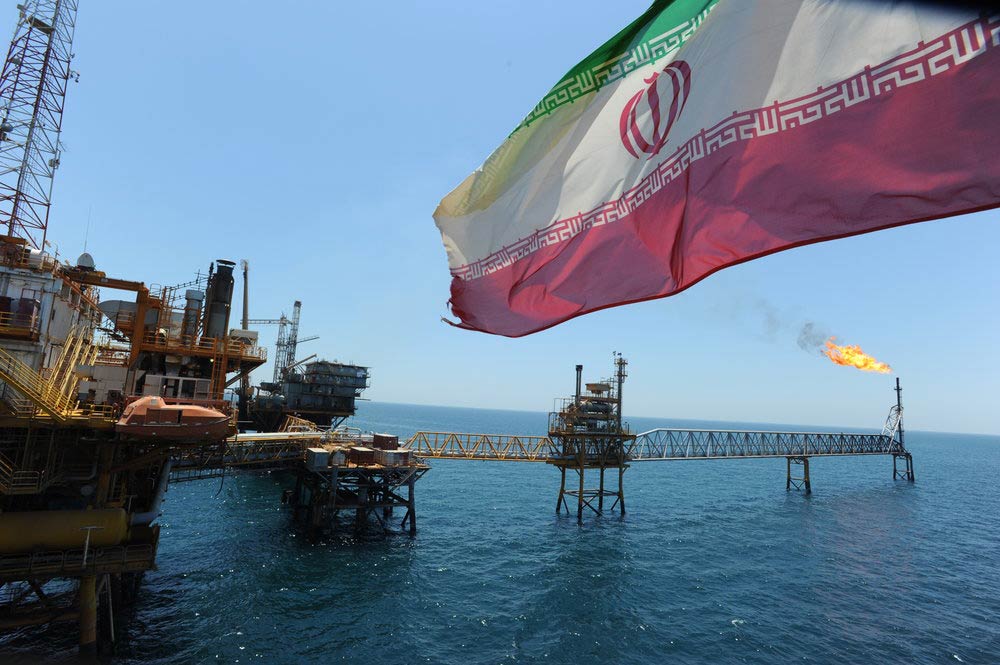
Experts say cryptocurrencies remain a small part of the global financial system, but their use is rising in emerging markets with unstable currencies. Iran, effectively isolated from the dollar system, relies on oil revenues — $53 billion in 2023 — as its primary source of foreign currency. Geopolitical instability, including a 12-day conflict with Israel, U.S. strikes on nuclear sites, and domestic protests, has further driven crypto adoption.
Nobitex, Iran’s largest exchange, estimates that around 15 million Iranians engage with digital assets, including 11 million registered users. Analysts indicate that many Iranians use crypto primarily as a store of value against the rial’s ongoing devaluation. Funds are frequently transferred from local exchanges to self-custodied wallets or international platforms to mitigate domestic risks, including a June 2025 hack at Nobitex.
The pseudonymous nature of crypto transactions, combined with the ability to quickly create new wallet addresses, makes enforcement and tracing difficult for U.S. authorities. Tom Keatinge of the Royal United Services Institute described it as a “high-speed whack-a-mole” challenge for regulators seeking to enforce sanctions.
Researchers say Iranian crypto flows to international platforms suggest the market has acted as a slow structural exit for funds throughout 2025, providing a parallel financial channel amid sanctions and economic pressures.
Tether, which issues the USDT stablecoin, reiterated its “zero-tolerance policy” toward illicit use and said it collaborates with law enforcement to freeze assets linked to illegal activity. The Iranian government has not responded to requests for comment on allegations regarding state-linked crypto use.
0 Comments
No comments yet. Be the first to join the discussion!