February 9, 2026
Moody’s revises Pakistan banking outlook to stable
Rating agency expects steady performance despite asset quality risks, sees 3.5% GDP growth in 2026

February 9, 2026
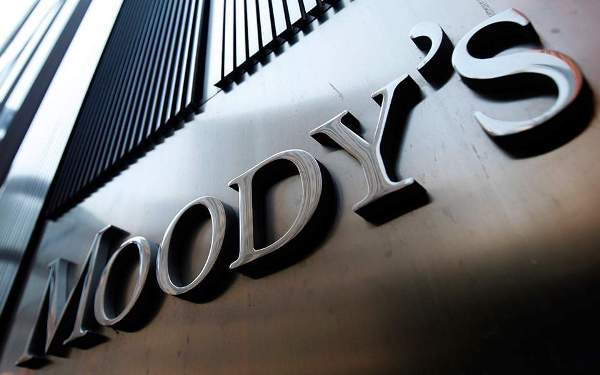
Moody’s has revised Pakistan’s banking sector outlook to stable from positive, citing a gradual economic recovery alongside improving fiscal and external positions.
In a statement issued on Monday, the rating agency said the operating environment continues to recover, albeit slowly, supported by reforms that are strengthening confidence and economic activity. It added that banks’ financial performance is expected to remain stable over the next 12–18 months, despite ongoing challenges related to asset quality and profitability.
Moody’s said the sector outlook aligns with that of the Government of Pakistan, reflecting banks’ substantial exposure to government securities, which account for around half of total banking assets. The agency noted that Pakistan’s long-term debt sustainability remains uncertain due to fiscal weakness and external vulnerabilities.
The agency forecast real GDP growth of about 3.5% in 2026, up from 3.1% in 2025. Headline inflation fell to 4.5% in 2025 from 23% in 2024, but Moody’s expects it to rise to around 7.5% in 2026, partly due to base effects.
Moody’s said easing inflation has allowed for lower policy rates, which should support credit demand. While margins are expected to remain steady after earlier compression following rate cuts, higher business volumes, non-interest income and stable costs are likely to support profitability and capital buffers.
The agency noted that recent floods may weigh on agricultural output, but activity in the industrial and services sectors is expected to remain resilient.
It said sector-wide non-performing loan ratios rose in early 2025 after the removal of the advances-to-deposits ratio tax, which prompted banks to reduce lending. Loans accounted for 23% of total banking assets as of September 2025, but Moody’s expects double-digit credit growth in 2026 amid improving macroeconomic conditions.
Borrower delinquencies are expected to persist, particularly in agriculture and energy, but lower borrowing costs should help keep problem loan ratios broadly stable at around 8%, measured as Stage 3 loans over gross loans.
As of September 2025, Tier 1 and total capital to risk-weighted assets ratios stood at 18% and 22.1%, respectively, above regulatory minimums. Moody’s said banks are likely to continue increasing holdings of government securities, supporting capital metrics, while retained earnings should be sufficient to fund balance sheet growth despite high dividend payouts.
Our monitoring team diligently searches the vast expanse of the web to carefully handpick and distill top-tier business and economic news stories and articles, presenting them to you in a concise and informative manner.
View all articles →0 Comments
No comments yet. Be the first to join the discussion!