March 16, 2026
Pakistan inflation could hit double digits if oil stays above $100 per barrel: report
March CPI projected at 7–7.5%, with transport, fuel and energy costs driving price pressures as global oil surge feeds into domestic inflation, says Topline Securities

March 16, 2026
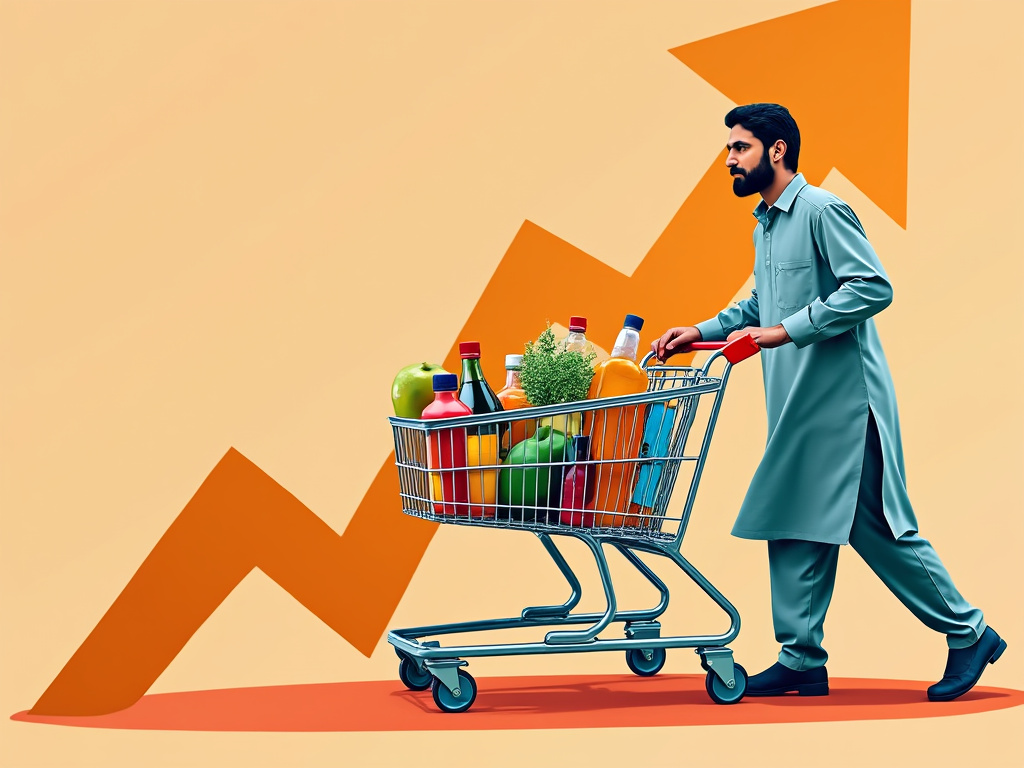
Pakistan’s inflation could accelerate if global oil prices remain at or above $100 per barrel, with consumer price inflation projected at around 7–7.5% in March 2026 and potentially reaching double digits in April, according to a research analysis by Topline Securities.
The report assessed the potential inflation pathway for the economy under a scenario of sustained high oil prices and ongoing geopolitical tensions in the Middle East. It examined how increases in fuel prices could transmit through the economy via transport costs, energy tariffs, LPG prices, gas charges and food prices.
“Amidst elevated oil prices and prevailing uncertainty of regional turmoil, we have tried to produce a probable inflation pathway for Pakistan if oil prices remain at US$100 and above, along with their implication on monetary policy stance. Taking cue from historical data, we have assessed the sensitivity of headline inflation to potential changes in fuel prices, transport service charges, LPG prices, gas prices, electricity tariffs and food prices,” Topline Securities said in its report.
According to the brokerage firm’s estimates, a Brent crude price of around $100 per barrel could push average inflation to 10.92% in the fourth quarter of FY26, followed by 9.33% in the first quarter of FY27, 7.47% in the second quarter and 8.22% in the third quarter.
The projection for March 2026 places inflation at 7–7.5% year-on-year compared with 6.99% recorded in February. If realised, it would represent the highest monthly inflation reading in about 19 months.
On a month-on-month basis, inflation in March is expected to rise by roughly 1.1%, even though food prices declined by about 1.29%. The drop in food inflation contrasts with the typical Ramadan pattern and was largely attributed to sharp price declines in tomatoes, eggs, potatoes and wheat.
However, prices of chicken and meat are expected to increase by about 6.7% and 2.24%, respectively, partially offsetting the decline in other food items.
The report noted that transport costs are expected to be the main contributor to inflation in the near term. Transport prices could rise by around 18% month-on-month in March due to the surge in global oil prices, with petrol prices estimated to increase by about 26.7% and high-speed diesel by 25%.
The housing, water, electricity and gas category is projected to rise by around 1.08% month-on-month. Electricity charges are expected to increase following a quarterly tariff adjustment of Rs0.3504 per kilowatt hour and a fuel cost adjustment of Rs1.6274 per kilowatt hour.
In addition, LPG prices are estimated to increase by around 5.63% month-on-month, while firewood prices may rise by about 2%.
The report’s methodology assumes that every $10 per barrel increase in oil prices results in a roughly 5.5% increase in petrol and diesel prices, a 3.5% increase in transport services, a 10% semi-annual rise in gas tariffs and a 3% increase in electricity tariffs. Food prices are assumed to respond partially to transport costs.
Despite the inflation risks, Pakistan’s external accounts currently remain relatively stable, supported by foreign exchange reserves of around $16.4 billion, a current account deficit expected to remain below 0.5% of GDP and remittance inflows exceeding $40 billion.
However, analysts caution that the outlook for external accounts could face pressure because more than half of Pakistan’s remittances originate from Gulf countries, which are directly affected by the ongoing regional conflict.
The report also highlighted potential implications for monetary policy. While interest rates depend on several factors including growth and fiscal conditions, the analysis suggests that sustained oil prices of around $120 per barrel or higher could require a policy rate increase to maintain positive real interest rates.
With inflation projected at around 7–7.5% in March, real interest rates could rise to roughly 300–350 basis points, above Pakistan’s historical average of 200–300 basis points.
0 Comments
No comments yet. Be the first to join the discussion!