March 17, 2026
IMF rejects Pakistan’s request to ease gas levy on captive power plants
Government push for exemptions and lower rate fails as levy set to rise, industry faces higher costs

March 17, 2026
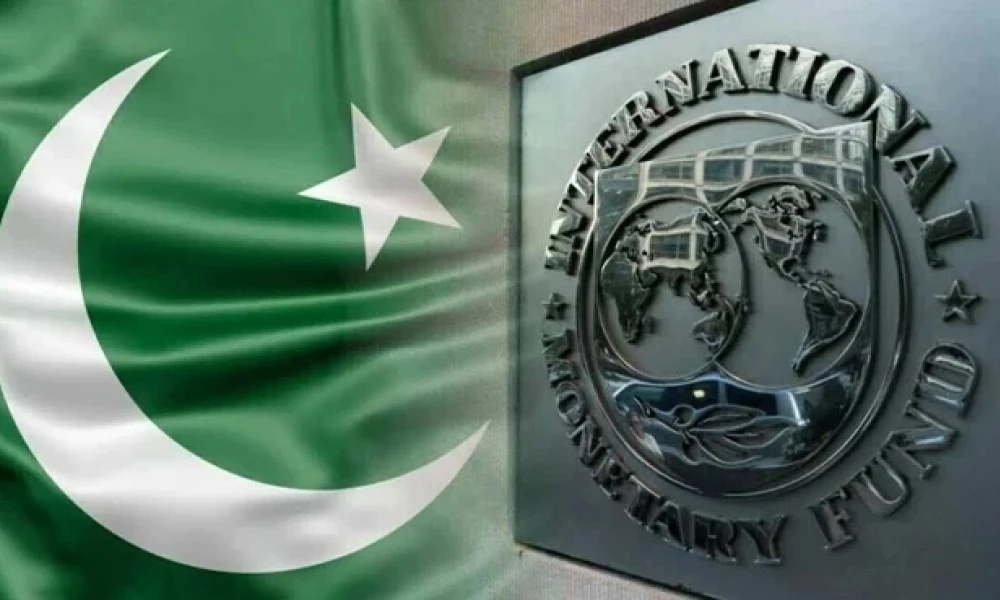
The International Monetary Fund (IMF) has rejected Pakistan’s request to freeze the 15% additional gas levy on industrial captive power plants and to exempt efficient units from the charge, The Express Tribune reported.
During recent review talks, the government maintained that the levy was contributing to financial losses for Sui gas companies, citing lower demand for imported gas and a shift in consumption patterns.
The government had proposed that only those industries passing a gas-use efficiency audit be granted relief, but the IMF did not agree to the exemption or a halt in the levy increase.
Officials said the Petroleum Division also sought to prevent the levy from rising to 20% from August, arguing that higher rates were reducing demand for both local and imported gas.
The levy is designed to push industries away from in-house gas-based power generation towards the national electricity grid by increasing the cost of self-generation.
Data shared with the IMF showed that Sui companies incurred losses of Rs104 billion in the first half of the current fiscal year, while collections from the levy remained below expectations.
The IMF, however, attributed these losses to long-term LNG contracts and lower power sector demand for imported gas, rejecting the government’s position.
The Fund maintained that the levy should remain a tool to discourage the use of gas in captive power plants, particularly those operating at low efficiency levels.
Officials noted that some plants claim higher efficiency levels, but these have not been independently verified, while previous efforts to enforce third-party audits were resisted.
The government had proposed linking exemptions to such audits, but the IMF observed that industries had sufficient time in the past to comply and did not do so.
Separately, the government requested a revision in the formula used to calculate the levy, proposing a weighted average of peak and off-peak industrial tariffs instead of the current linkage to peak tariffs.
The IMF said it would review the proposal but has not taken a final position.
The levy rate is determined by the gap between industrial electricity tariffs and the cost of self-generation using gas, and the government remains bound to increase it under existing commitments.
Officials said the rising levy could push energy costs for captive users significantly higher, particularly for export-oriented industries already facing elevated electricity prices.
The IMF has also not finalised its position on the government’s Rs1.5 trillion plan to reduce gas-sector circular debt, which includes measures such as higher fuel levies and use of dividends from energy companies.
The disagreement comes as Pakistan awaits a staff-level agreement under the IMF programme, with differences also emerging over tax collection targets and the government’s decision to partially subsidise petrol and diesel prices.
Our monitoring team diligently searches the vast expanse of the web to carefully handpick and distill top-tier business and economic news stories and articles, presenting them to you in a concise and informative manner.
View all articles →0 Comments
No comments yet. Be the first to join the discussion!