March 19, 2026
Middle East energy conflict sparks global price surge, markets on edge
Iran and Israel strikes damage Qatar and Gulf energy infrastructure, pushing European gas up 35% and crude oil nearly 10%
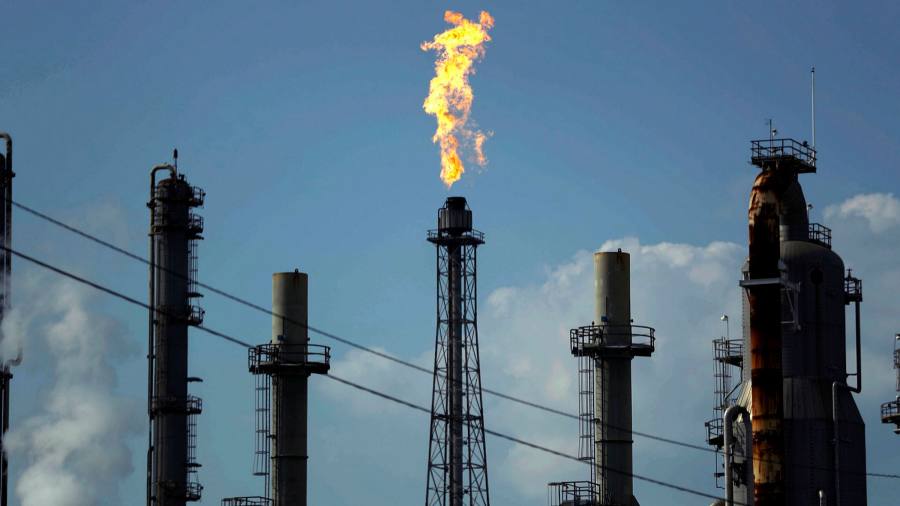
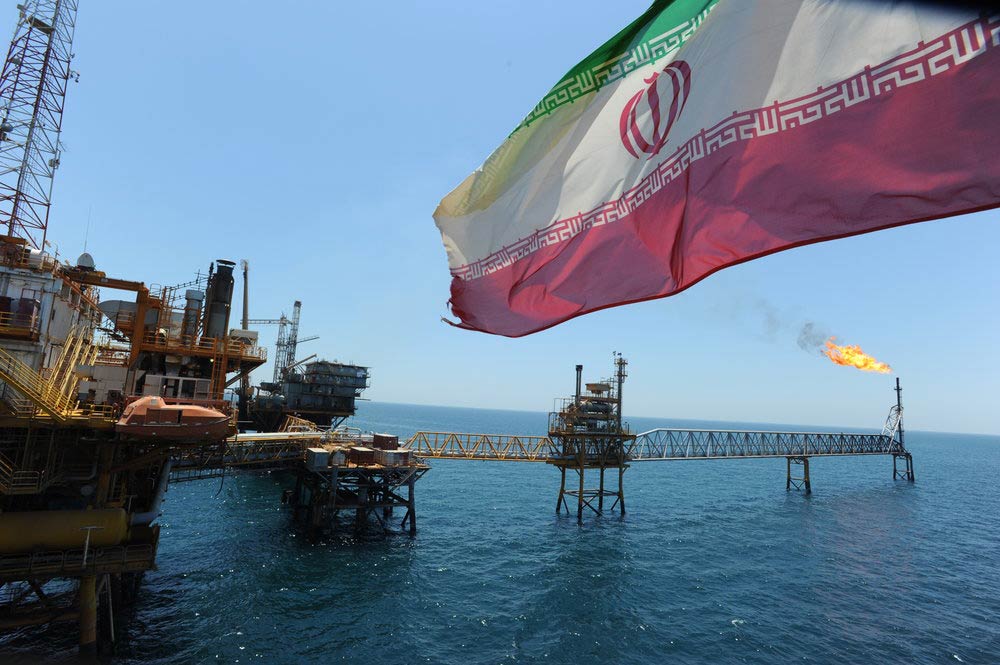
Energy markets surged on Thursday after a retaliatory strike on Qatar’s Ras Laffan LNG complex, which QatarEnergy says may take up to five years to fully repair, and amid escalating U.S.-Israeli operations against Iran. The attack destroyed two LNG trains, reducing Qatar’s liquefied natural gas exports by roughly 17% for the next three to five years, forcing QatarEnergy to warn of potential force majeure on long-term contracts with Belgium, China, Italy, and South Korea.
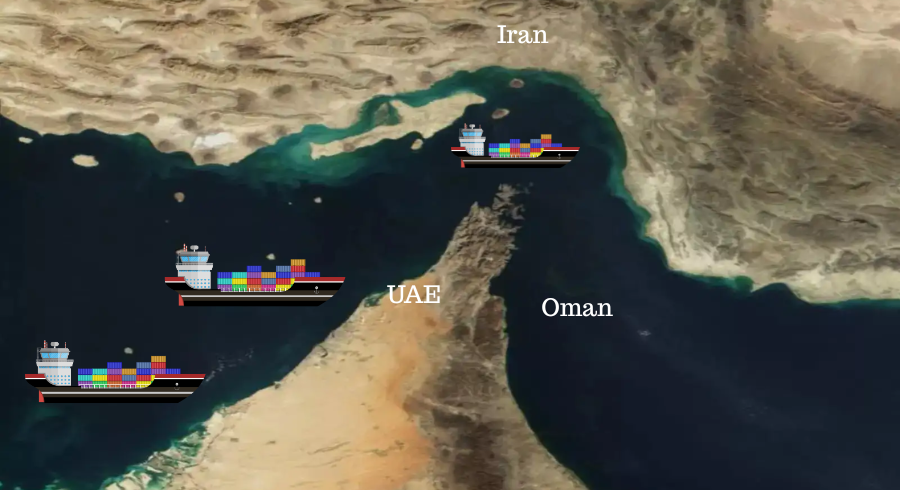
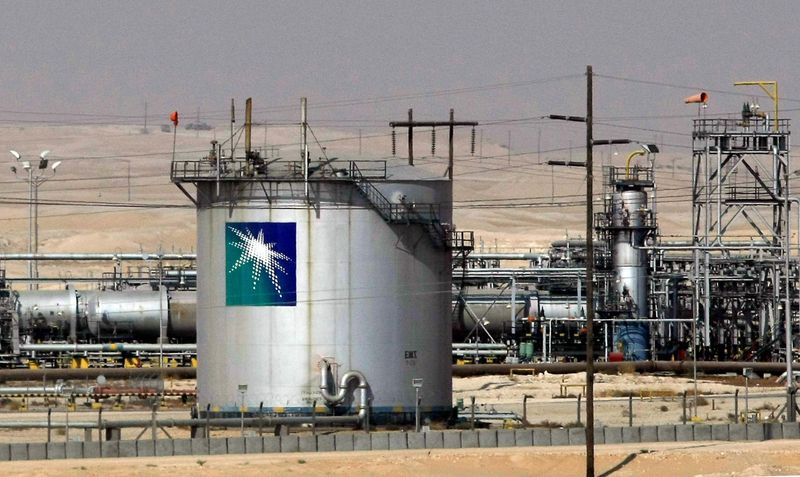
European gas prices jumped as much as 35%, while oil rose nearly 10% before trimming gains by mid-afternoon. Analysts described the events as a sharp escalation in the Middle East conflict, with broader impacts on the global energy system and rising stagflation risks. The conflict also disrupted infrastructure in Saudi Arabia, the UAE, and Kuwait, where refineries faced fires and shutdowns due to drone attacks and missile debris.
Financial markets reacted swiftly: euro zone inflation expectations rose toward 4%, prompting traders to price in two to three potential ECB rate hikes by December. In the United States, the yield on the two-year Treasury note climbed to its highest in nearly eight months, largely reversing last year’s rate cuts.
International responses intensified, with Britain, France, Germany, Italy, Japan, and the Netherlands calling for an immediate halt to attacks on oil and gas facilities and working with producers to stabilize markets. U.S. President Donald Trump issued warnings to Iran against further strikes on Qatari LNG, threatening major retaliation on the South Pars Gas Field, shared by Qatar and Iran.
The IMF estimated that a sustained 10% rise in oil prices through year-end could add 40 basis points to global inflation and reduce economic output by 0.1–0.2%. The combination of infrastructure damage, energy supply disruptions, and geopolitical tension has heightened concerns over prolonged market instability and potential long-term economic impacts.
0 Comments
No comments yet. Be the first to join the discussion!