IMF urges Pakistan to phase out fuel subsidies, expand tax base for fiscal stability
Fiscal deficit seen at 3.2% of GDP, primary surplus at 2.5%; debt to decline gradually, risks rise from Middle East conflict
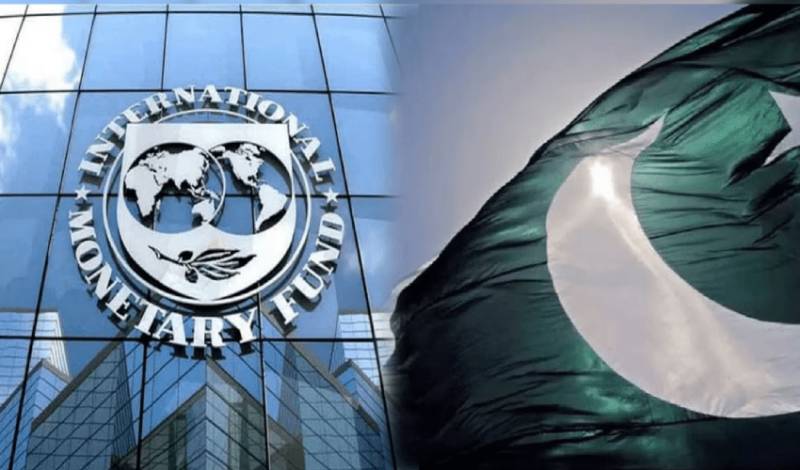
The International Monetary Fund (IMF) has advised Pakistan to gradually phase out fuel subsidies, address contingent liabilities and expand its tax base to ensure medium-term fiscal sustainability, Dawn reported.
In its Fiscal Monitor 2026, the IMF projected Pakistan’s fiscal deficit to remain stable at around 3.2% of GDP in FY26 and FY27, down from 5.4% in FY25, before declining to 3% in FY28 and 2.8% in FY29. However, the deficit is expected to rise again to 3.6% in FY30 and 4.6% in FY31.
The fund estimated the primary surplus at 2.5% of GDP in FY26, compared to 2.4% last year. It is projected to decline to 2% next year, remain stable for two years, and then fall to 1% in FY30 and 0.1% by FY31.
Government revenues are expected to remain broadly stable at around 15.8% of GDP this year, before easing to 15.3% next year and stabilising near 15.5% over the medium term.
The IMF noted that public expenditure is projected to decline to 19% of GDP in FY26, supported by lower debt-servicing costs following a drop in interest rates from 22% to below half that level. Spending is expected to ease further to 18.5% in the next two years before rising again to 20% by FY31.
Pakistan’s gross government debt is projected at 70.1% of GDP in the current fiscal year, down from 72.8% last year, and expected to decline gradually to 58.2% by FY31. Net government debt is also forecast to fall from 64.4% this year to 55% by FY31.
The IMF said revenue growth has likely peaked and warned that sustained fiscal consolidation would require structural reforms, including broadening the tax base and reducing reliance on subsidies.
On the global outlook, the fund cautioned that financial stability risks remain elevated due to the ongoing Middle East conflict, which could lead to higher energy prices, tighter financial conditions and increased inflationary pressures.
Global equity markets have declined by around 8% since February, while prolonged conflict could further strain government finances through higher food and fuel costs, lower economic activity and rising defence spending.
The IMF warned that global debt-at-risk could rise further, particularly if geopolitical tensions persist, adding pressure on emerging economies including Pakistan.

Our monitoring team diligently searches the vast expanse of the web to carefully handpick and distill top-tier business and economic news stories and articles, presenting them to you in a concise and informative manner.
View all articles →Comments
No comments yet. Be the first to join the discussion!