May 21, 2026
Climate disasters could cut Pakistan’s GDP by up to 9% by 2050, SBP warns
SBP says Pakistan ranks 15th among countries most affected by climatic events despite contributing only 1% to global emissions, while climate disasters caused $29.3 billion losses between 1992 and 2021

May 21, 2026
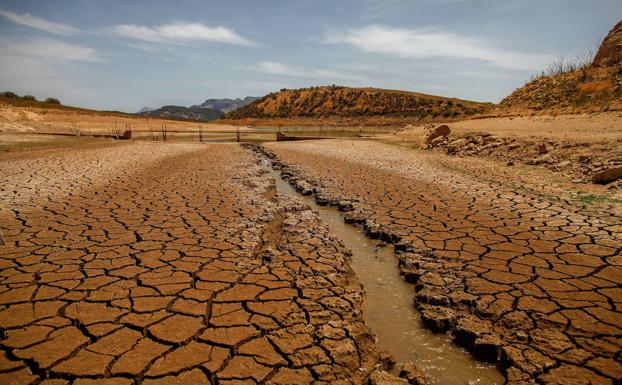
Climate disasters could reduce Pakistan’s GDP by up to 9% by 2050 under a pessimistic scenario, according to the State Bank of Pakistan (SBP), which warned that agriculture and industry remain the country’s most exposed sectors.
In its half-yearly economic report, the central bank cited World Bank estimates showing Pakistan’s GDP could decline by 4.5% to 6.5% by 2050 under an optimistic scenario, while losses could rise to 7% to 9% under a pessimistic scenario.
The report stated that output in agriculture and industry could fall by up to 17% by 2050 without timely climate action.
According to the report, Pakistan was the 15th most affected country globally by climatic events between 1995 and 2024 despite contributing only 1% to global greenhouse gas emissions.
Pakistan’s per capita emissions rank 147th globally, although the country’s emission intensity remains relatively high. The report noted that Pakistan ranks 20th in global greenhouse gas emissions despite standing 45th in nominal GDP rankings.
The State Bank said climatic disasters in Pakistan remained above global and regional averages during 2000-2024 and also in the preceding two decades.
The report highlighted increasing climate stress through rising temperatures, erratic rainfall, sea level rise and rapid glacial retreat.
Globally, more than 9,700 climatic events between 1995 and 2024 caused direct economic losses of around $4.5 trillion, affected 5.7 billion people and resulted in over 832,000 fatalities.
The State Bank noted that emissions in Pakistan have risen significantly since the 1960s, mainly driven by the energy and agriculture sectors, while population growth, rising incomes and carbon-intensive energy sources continue to increase emissions.
Under the Paris Agreement, Pakistan has pledged to cut greenhouse gas emissions by 50% by 2035 compared to the Business as Usual scenario.
The report highlighted initiatives including the 10 Billion Tree Tsunami programme, mangrove restoration drives and rooftop solar expansion, noting that Pakistan’s rooftop solar capacity increased nearly twenty-fold between 2022 and 2024.
According to IMF estimates cited in the report, climate disasters caused economic losses of $29.3 billion to Pakistan between 1992 and 2021, while the 2022 floods alone caused damages of around $28 billion.
Our monitoring team diligently searches the vast expanse of the web to carefully handpick and distill top-tier business and economic news stories and articles, presenting them to you in a concise and informative manner.
View all articles →0 Comments
No comments yet. Be the first to join the discussion!