May 22, 2026
Pakistan, IMF yet to agree on salaried class tax relief, revenue estimates ahead of budget
Govt proposes income tax cuts and reduction in exporters’ minimum tax rate, while IMF questions revenue impact and additional tax measures linked to Rs15.26 trillion FBR target

May 22, 2026

Budget discussions between Pakistan and the International Monetary Fund (IMF) remained inconclusive after both sides failed to reach an agreement on tax relief proposals for the salaried class and exporters, as well as revenue estimates needed to achieve the next fiscal year’s primary surplus target of Rs2.8 trillion, The Express Tribune reported, citing government sources.
Pakistan proposed reducing income tax rates for salaried individuals and abolishing the additional 1% minimum tax for exporters. The Federal Board of Revenue estimated the cost of the two measures at around Rs200 billion, although the IMF reportedly did not accept the projections.
Sources said the IMF also questioned the reliability of government proposals aimed at generating an additional Rs430 billion in taxes to help meet the FBR’s FY27 tax collection target of Rs15.264 trillion.
Pakistani authorities suggested using the first-quarter revenue target of Rs3.05 trillion as a test case for the proposed measures and assured the IMF that additional taxation steps could be introduced if the July-September target was missed.
The government plans to present the federal budget on June 5.
According to officials, discussions also focused on the size of the expected FBR revenue shortfall for the current fiscal year, which would affect next year’s tax target calculations.
The FBR has already recorded a Rs683 billion shortfall during the first 10 months of the current fiscal year against the revised target.
Amid weak revenue performance, tax contributions from salaried individuals continued to increase.
Provisional FBR data showed salaried persons paid nearly Rs470 billion in income tax during July-April FY26.
Employees in the non-corporate sector contributed Rs209 billion, while corporate sector employees paid Rs150 billion. Provincial government employees contributed Rs63 billion and federal government employees paid Rs45 billion.
The IMF said the staff-level discussions focused on recent economic developments, implementation of reforms and Pakistan’s budget strategy for FY27.
IMF representative Esther Perez Ruiz Petrova said the lender continued to emphasise exchange rate flexibility as a key economic shock absorber and stressed the need to deepen the foreign exchange interbank market.
Discussions also covered structural reforms related to the energy sector, state-owned enterprises, product market liberalisation and financial sector reforms aimed at supporting long-term growth and private investment.
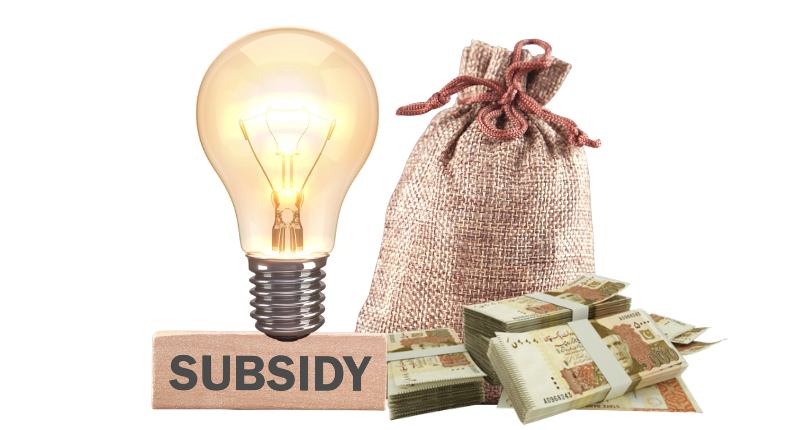
Despite multiple IMF programmes, the government continues to allocate large subsidies to loss-making sectors and state-owned enterprises. For FY27, the government is expected to budget nearly Rs1 trillion in subsidies, including Rs830 billion for the power sector.
Officials said the IMF continued to treat the primary budget surplus target as a key condition of the programme and had linked any waiver for missing the target to approval by the IMF Executive Board.
The IMF mission chief said the lender's next mission would visit Pakistan later this year to review programme implementation progress and conduct Article IV consultations.
Our monitoring team diligently searches the vast expanse of the web to carefully handpick and distill top-tier business and economic news stories and articles, presenting them to you in a concise and informative manner.
View all articles →0 Comments
No comments yet. Be the first to join the discussion!