May 26, 2026
Pakistan’s 37% tax on mobile services among world’s highest, UK consultancy warns
Frontier Economics urges govt to cut mobile sector taxes to 17%, saying move could raise annual revenues to $1.6 billion by 2035

May 26, 2026
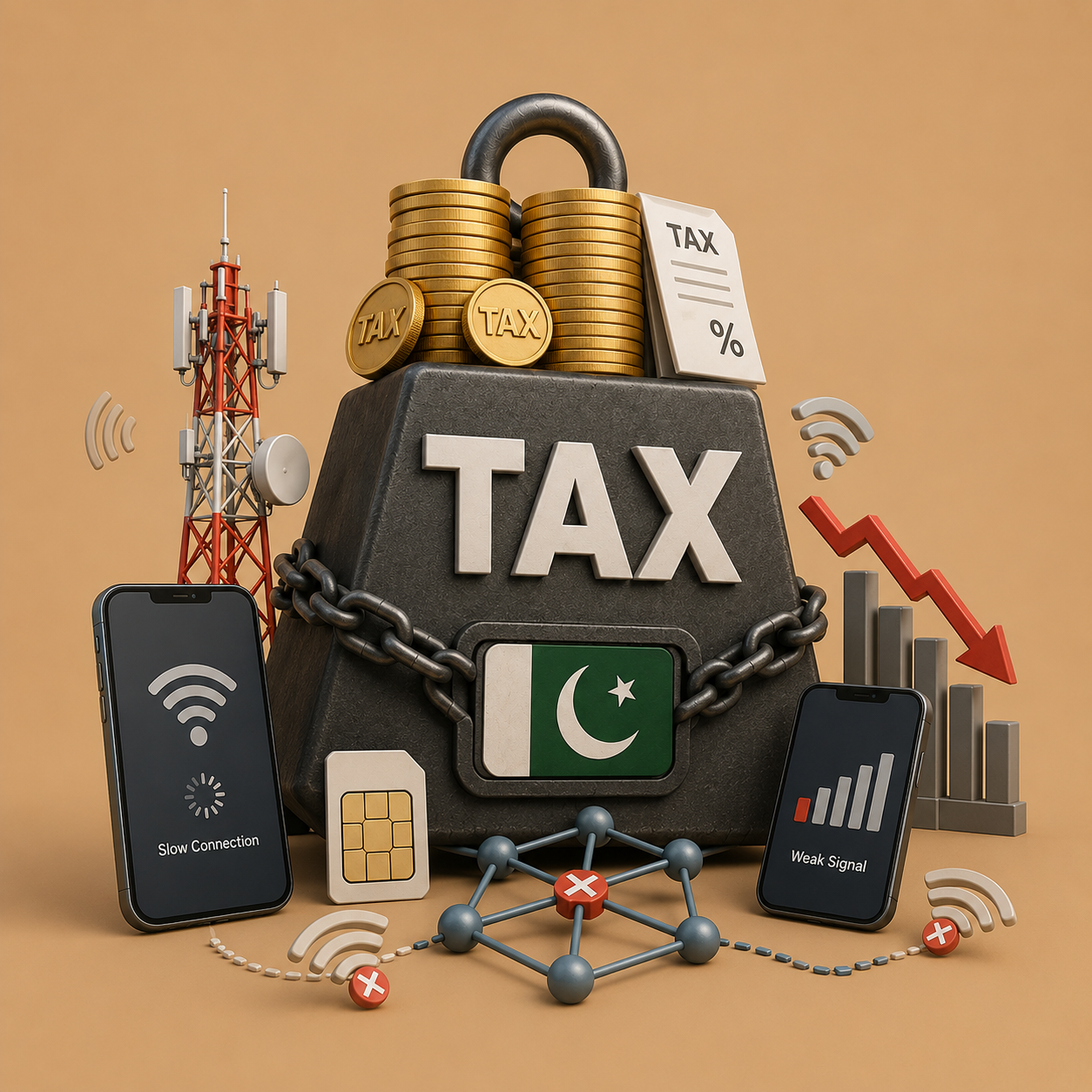
Frontier Economics has warned that Pakistan’s combined 37% tax burden on mobile services is among the highest globally, restricting mobile penetration, slowing digital growth and limiting long-term government revenues.
The findings were presented in a report titled Unlocking Digital Growth by Reducing Sector Taxation in Pakistan, launched by Jazz in Islamabad on Monday.
According to the report, the current tax structure on mobile services includes 19.5% sales tax, 15% advance income tax charged to customers and a 2.5% annual regulatory duty.
The report added that mobile operators are also subject to 29% corporate tax along with a 10% super tax.
Frontier Economics recommended reducing the overall tax burden on mobile services from 37% to 17%, arguing that the move would support GDP growth while remaining revenue-neutral for the government between 2027 and 2030.
The consultancy projected that government revenues from the sector could increase from around $900 million to $1.6 billion during 2031-2035 if the reforms are implemented.
The report said Pakistan remained a mobile-first market but a large segment of the population still lacked smartphone access.
According to the study, 68% of people aged 15 and above in Pakistan do not own a smartphone.
The report noted that Pakistan imposes multiple sector-specific taxes and levies on mobile services and mobile equipment in addition to economy-wide taxes, placing the country among the highest-taxed telecom markets globally.
It said the cumulative effect of layered taxation, rather than a single tax measure, had created a major burden on the sector.
According to Frontier Economics, high taxes reduce affordability, discourage demand for connectivity and limit investment in telecom infrastructure, affecting broader digitalisation and economic formalisation efforts.
The report warned that Pakistan was caught in a “tax trap”, where the government increasingly relied on mobile sector taxation because the industry remained visible and documented within the formal economy.
However, it argued that excessive taxation was undermining wider economic objectives linked to digital inclusion and expansion of the tax base.
The consultancy recommended shifting tax policy away from sector-specific consumption taxes and surcharges that directly raise consumer prices.
It said reducing taxes on mobile usage and sector revenues should become a policy priority to support affordability, adoption and long-term economic growth.
Our monitoring team diligently searches the vast expanse of the web to carefully handpick and distill top-tier business and economic news stories and articles, presenting them to you in a concise and informative manner.
View all articles →0 Comments
No comments yet. Be the first to join the discussion!