India gives Pepsi, Red Bull, Monster 90 days to drop 'energy drink' label
Directive triggers standoff with companies, who fear removing the category label could damage brands built around instant-energy claims and disrupt sales
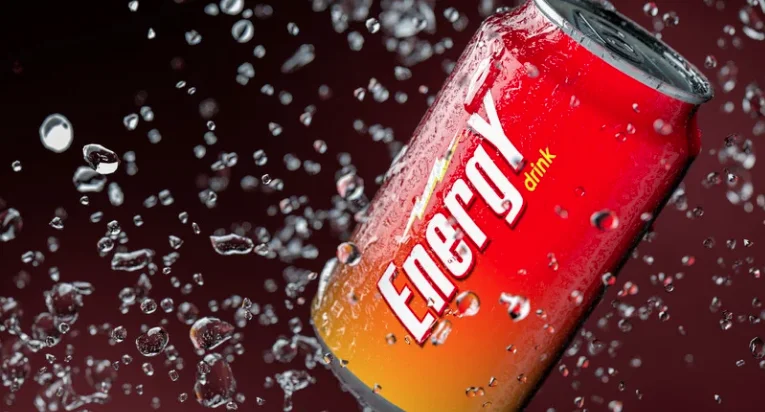
NEW DELHI: India has ordered makers of high-caffeine beverages sold as "energy drinks" to stop using that description, rejecting industry efforts to stall the regulatory intervention in a fast-growing market expected to be worth $1.6 billion by 2028, according to documents and sources.
India's food safety regulator said on social media in early July that it had issued notices to companies, stating there were no Indian standards for such products and that claims a beverage "vitalizes body and mind" or can "aid in general weakness" were misleading.
In private, the message from the Food Safety and Standards Authority of India (FSSAI) was even tougher. According to confidential documents and people familiar with the matter, Pepsi, Red Bull, Monster Beverage, billionaire Mukesh Ambani's Reliance, and Hell Energy were told to drop "energy drink" or any similar descriptor.
The directive has triggered a standoff with companies, who fear removing the category label could damage brands built around instant-energy claims and disrupt sales.
At a closed-door meeting with senior industry executives on Friday, FSSAI Chief Executive Rajit Punhani rejected arguments over the potential business impact, telling companies they were free to challenge the decision in court, according to two people familiar with the discussion.
FSSAI and Punhani did not respond to Reuters queries. Pepsi declined to comment, while the other companies did not respond.
An Indian government source said the industry agreed to comply with the labelling change after Friday's discussion, and the FSSAI has given companies 90 days to comply.
Energy drinks have raised health concerns among regulators globally over their high caffeine, sugar, and taurine content, an amino acid. High-caffeine energy drinks will be banned for under-16s in England starting next April, while some regions in Pakistan require them to be labelled "stimulant drinks."
Industry pushback
The energy drinks business relies heavily on instant-energy marketing. Red Bull's "Gives You Wiiings" slogan is globally recognised, while Pepsi's Indian ads for its Sting energy drink depict lightning coursing through the body, promising "electrifying energy."
The Indian Beverage Association, which represents major companies in the sector, said it remains committed to complying with regulations and engaging constructively with regulators on science-based policy. However, in a confidential July 6 letter to FSSAI, the association said public disclosure of preliminary notices could damage reputations, disrupt operations, and confuse consumers, urging a "risk-based enforcement approach."
"Regular stakeholder consultations before implementing significant interpretational changes would facilitate smoother compliance, reduce litigation," the association said, adding that a "predictable, consultative and transparent" framework was essential.
Rapid market growth
India's energy drinks market expanded rapidly after Pepsi launched Sting in 2017. Its 20-rupee ($0.21) plastic bottles proved popular among 15- to 19-year-olds and in rural areas, helping the brand become a market leader, according to Euromonitor.
Retail sales are projected to reach $1.6 billion by 2028, growing 12.6% annually — faster than in the United States and China. Sales volumes rose nearly 100% annually between 2018 and 2023, Euromonitor data shows.
"Every time when we feel hungry or go out for a smoke, I buy one drink. It fills my stomach and it gives me strength to work," said Sunny Rajvansi, 24, a bike mechanic in Uttar Pradesh state, who consumes Sting and Reliance's Campa Energy. "I feel I am addicted to them."
This month, the Indian state of Rajasthan seized thousands of units of Sting, Campa Energy, and Red Bull as part of an enforcement drive, according to government social media posts. On July 8, the state also directed e-commerce companies including Amazon, Walmart's Flipkart, Eternal's Blinkit, and Swiggy Instamart to ensure no product was promoted as an "energy drink," a letter showed.

Reuters is a British news agency wholly owned by Thomson Reuters, a multinational information conglomerate. Its journalists operate across 200 locations in 165 countries and write in 16 languages, making it one of the largest news agencies in the world.
View all articles →Comments
No comments yet. Be the first to join the discussion!