
Gul Ahmed poised to take advantage of the rebound in textile exports
Analysts believe the company, one of the largest textile exporters in Pakistan, is well-positioned to see its revenues improve following the easing of the coronavirus pandemic-related lockdowns in the United States and Europe

For a little while there in the earlier half of this year, it looked like the textile sector was doomed. When the Covid-19 pandemic hit, the world’s countries (including Pakistan) implemented strict lockdowns, severely affecting global trade lines. Industries that relied heavily on exports were badly shaken, as there was a massive delay in shipments to major markets
And the Pakistani textile sector, which is so reliant on exports, was very badly bruised. Exports in April declined 65% year-on-year to $404 million, a historic, multi-decade low. Exports in May declined 37% year-on-year to $751 million. Lockdown measures by major Pakistani textile importers like China, the US, the UK, and Germany resulted in delays or cancellation of export orders.
But then, there was a slight glimmer of hope: exports in June did not decline as badly as was predicted, falling only 5.4% year-on-year to $959.1 million. And then in July, something truly remarkable happened: as per data released by the Pakistan Bureau of Statistics the country’s textile and clothing exports increased by 14.4% year-on-year to $1,272 million.
According to the government, the ease in lockdowns in the North American and European countries, which are the top export destinations for Pakistani textile goods, helped pave the way. Pakistan also seen a pick up in exports via land routes through Iran and Afghanistan.
As equity research analyst Saad Hanif at Insight Securities, a securities brokerage firm, pointed out in a report sent to clients on September 7: “Pakistan’s textile industry witnessed a sharp rebound from the coronavirus crisis, and factories have swung into full gear to meet export orders from global buyers, which is also confirmed by industry experts. On the other side, the government is also taking several steps to boost export revenues; especially textile exports which constitutes 60% of the total exports.”
It is in the wake of this climate that Hanif is also positive about Gul Ahmed Textile Mills. The company, which was founded in 1953, has an installed capacity at its plant of more than 130,000 spindles, with 300 weaving machines and yarn dyeing, processing and stitching units. It has four main business segments: spinning, weaving, retail, and distribution and processing for home textile and apparel.
According to Hanif, there are four reasons why Gul Ahmed is poised to take advantage of the uptick in the textile sector.
First, the industry’s utilisation of its manufacturing capacity is now above 85%, which is an indication that the industry is returning to its pre-Covid level. In fact value-added export order books are full until December of this year. In addition, some export orders were actually diverted to Pakistan, because of the spread of Covid-19 in other countries in South Asia.
Second, the government is trying to boost export revenues to manage the trade deficit, and to maintain the current account deficit at a manageable level. In order to do this, the Pakistani government has announced incentives to exporters, which include refunds, lower energy prices compared to other industries, and cheaper financing under the Long-Term Financing Facility (LTFF) and Export Finance Scheme (EFS) schemes introduced by the State Bank of Pakistan.
Third, and specific to Gul Ahmed, the value-added segment – as the readymade garments and home textiles sector is often referred to – is going to help the company. As is, that segment contributes 68% of total revenue. Gul Ahmed also has a substantial 10% share in the country’s total bedwear exports. According to Hanif, the segment had previously “faced serious headwinds amid Covid-19 as global lockdown resulted in delays or cancellation of export orders and bringing local sales to a halt.”
But despite that setback, revenue from this segment still grew by 13% in the first nine months of fiscal year 2020. And Hanif expects revenue to grow at a 5-year compound annualised growth rate (CAGR) of 17.6%, mainly due to better export pricing and growth in volumes.
The prices of value-added products also increased by 38% in July, while the volume also improved by 5%.
“Previously, lower export prices has been the major bottleneck in stagnant textile exports. We believe textile exports can post 8-10% growth in FY21 due to better pricing,” says Hanif.
Finally, Gul Ahmed is one of the most leveraged players in the textile industry, with a debt to asset ratio of 52%. Despite the significant debt on books, according to Hanif, the subsidised interest rates under the LTFF and EFS schemes have helped keep costs of finance at a ‘comfortable’ level.
Are there any potential risks to Gul Ahmed’s future? Yes, though most of them are risks that will affect all companies, not just the textile player. A second wave of Covid-19, a rise in energy prices, further devaluation of the rupee, or the government discontinuing incentives to Pakistani exporters will affect the otherwise promising prospects for Gul Ahmed.
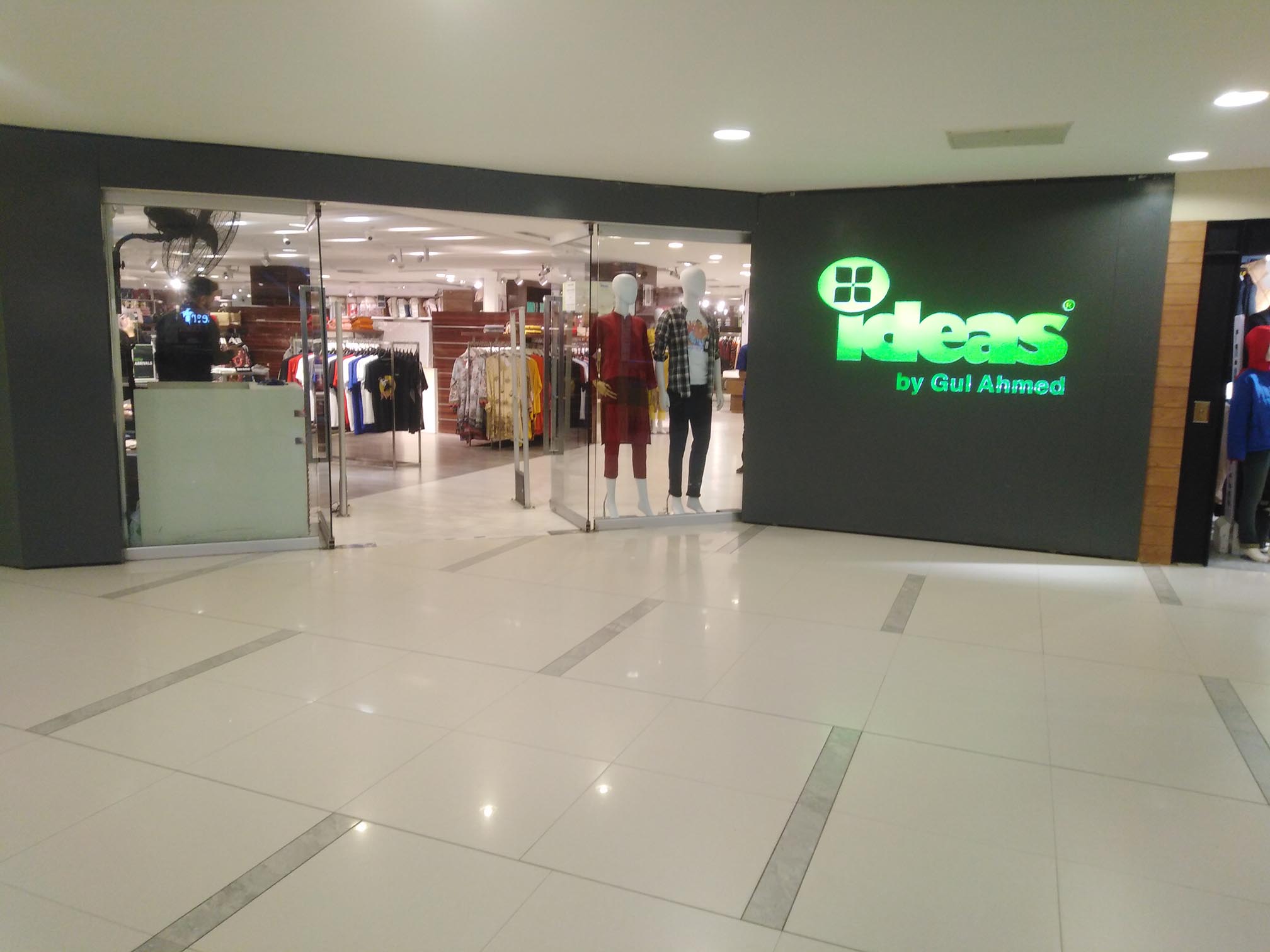
In addition to its export business, Gul Ahmed does own one of the largest local clothing brands in the form of Ideas by Gul Ahmed, and is historically known as a leading brand of women’s clothing. While the domestic business has not grown as rapidly as the company’s management had once hoped, the recovery of domestic consumer spending within Pakistan following the easing of the pandemic and its related lockdowns is also likely a significant tailwind for the company’s revenues over the coming year.
Comments
No comments yet. Be the first to join the discussion!


