
Making way for our women
Despite increased participation in the labour force, women’s development indicators have fallen. They will not improve without affirmative action

More than 75 years ago, speaking at the Jinnah Islamia College in Lahore in 1940, Quaid e Azam Muhammad Ali Jinnah made one of his most famous speeches. "I have always maintained that no nation can ever be worthy of its existence that cannot take with them their women. No struggle can ever succeed without women ever participating side by side with men”, he said, addressing a crowd of young, female, students.
In Jinnah’s speech, he presented the vision of a nation whose women would stand side-by-side with its mens as equals. It was this post-war generation that was to be emancipated. “You young ladies are more fortunate than your mothers. You are being emancipated. Men must be made to understand and made to feel that woman is his equal and that woman is his friend and comrade and they together can build up homes, families and the nation".
The words of the Quaid seem radically progressive by today’s standard. That is because in the 75 years since Pakistan came into existence, the nation’s women have been ignored, sidelined, shamed, vilified, and disadvantaged beyond belief. This, in turn, has not just resulted in a rot setting into our social fabric but great economic disadvantage.
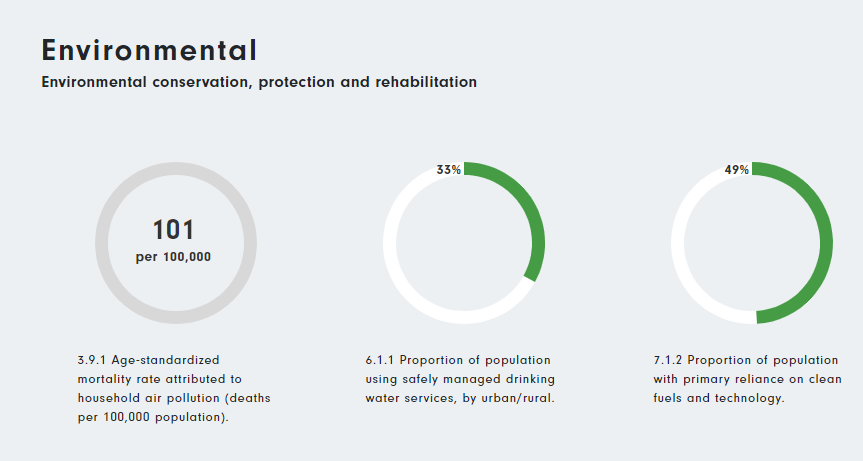
“The most striking figure which shocks and hurts me the most is that in gender parity we are the second worst country in the world. Who wants a nuclear weapon when our women are treated the way they are?” says Dr S Akbar Zaidi, executive director at IBA in Karachi, when he took the stage at the #Next75 event organised by the talks@engro platform. “Without women being active participants, Pakistan has no future. They have to come first. And the most important thing we can do is promote them. For men to get out of the way.”
During his talk, Dr Zaidi attributed a lot of Pakistan’s problems to the great chasm of disparity that has appeared between men and women in Pakistan. It makes sense. When half of a country’s population is disadvantaged and taken out of the equation, the country will find it hard to progress. This was Jinnah’s point as well when he said no nation could progress without its women being active participants. More than 75 years later, that is yet to be achieved. Will it be 75 years from now? We hope so. Because if it doesn’t, it will mean disaster.
Subscribe to Continue Reading
The rest of this article is available exclusively to subscribers.
Abdullah Niazi is senior editor at Profit. He can be reached at [email protected]
View all articles →2 Comments
No comments yet. Be the first to join the discussion!


