Mango export potential compromised by alleged foul play by govt dept
ISLAMABAD: An alarming issue came to light during a meeting in Multan, chaired by Secretary Ministry of National Food Security and Research (MoNFS&R) Muhammad Mehmood. Owners of HWT plants expressed concerns that 75% of mango exports to Iran were being handled by a single company, sparking accusations of favouritism by the officials of the Department of Plant Protection (DPP) towards certain HWT plant owners.
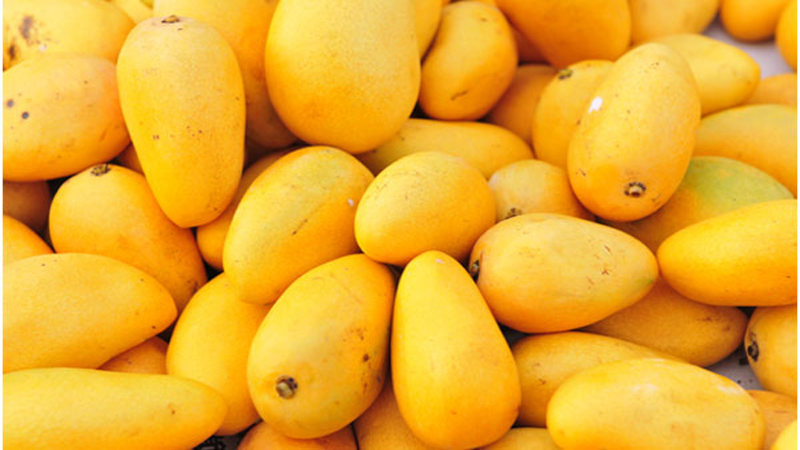
According to official data, Pakistan has been able to export 96512 Metric Tons of mangoes this season. The export figures were positive, despite multiple interceptions and detection of fruit flies in Pakistani mangoes in Iran. This also led to the suspension of accreditation for seven Hot Water Treatment (HWT) plants by the Iranian authorities.
Background:
Hot water treatment for mangoes is a post-harvest treatment process used to control pests and diseases in the fruit. It involves immersing mangoes in hot water at a specific temperature and duration to eliminate or reduce the presence of insects, larvae, and pathogens on the fruit’s surface. This treatment is primarily used for mangoes intended for export to meet the phytosanitary regulations of importing countries.
Under Iranian phyto standards, mangoes require hot water treatment to prevent the spread of pests and diseases. It was alleged that mangoes being produced in Pakistan were not getting the HWT from an approved plant of the Department of Plant Protection (DPP) hence their export was halted.
Exporters earlier expressed the fear that the plant might still be in violation of Iran’s phyto standards even though it has the DPP’s approval.
According to documents obtained, a mere 26% (33708 MT) of the total mango exports (130221 MT) were treated.
Since the UAE does not mandate HWT for imported mangoes, the majority of the untreated mangoes, constituting a significant portion of the export, found their way to the United Arab Emirates (UAE).
Pakistan dispatched 48000 MT of untreated mangoes worth $28 million to the UAE, which remains a major importer of Pakistani mangoes. Afghanistan and Iran followed suit, importing 36000 MT ($4.6 million) and 29800 MT of mangoes from Pakistan, respectively.
The allegations:
On the topic of favouritism towards one HWT plant, Babar Durrani, the owner of the said HWT plant, Durrani Associates, defended his company's practices, stating that his facility, as a pioneer in HWT in the country, had not faced any interceptions. However, smaller HWT plants were suspended due to interceptions, leading to allegations of unfair treatment and favouritism.
Tariq Khan, a Multan-based HWT plant owner, accused certain DPP officials of shutting down treatment plants arbitrarily while supporting a specific company. Director General of DPP, Abid Alladita, denied the allegations, emphasising that the department was implementing standard operating procedures (SOPs) shared by the ministry in response to interceptions from Iran.
Amidst heated debates and complaints, the secretary decided to form a committee comprising experts, officials, and HWT plant representatives to devise a strategy for enhancing future mango exports to Iran. The committee was tasked with suggesting solutions and achieving a target of exporting 50000 MT of treated mangoes to Iran in the next season.
Furthermore, the secretary took action against the alleged wrongdoings within DPP, terminating a contractual officer believed to be involved in the unlawful closure of HWT plants, addressing one major concern raised by exporters.
This critical situation highlights the need for stringent measures, cooperation between stakeholders, and adherence to international standards to safeguard Pakistan's valuable mango export industry in the face of rising phyto issues.

The writer is a member of the staff at the Islamabad Bureau. He can be reached at [email protected]
View all articles →28 Comments
No comments yet. Be the first to join the discussion!