May 5, 2025
ADB calls for peaceful solutions to India-Pakistan tensions, stresses economic cooperation
ADB president pledges to support food system development, climate change initiatives, and regional connectivity through significant funding commitments

May 5, 2025
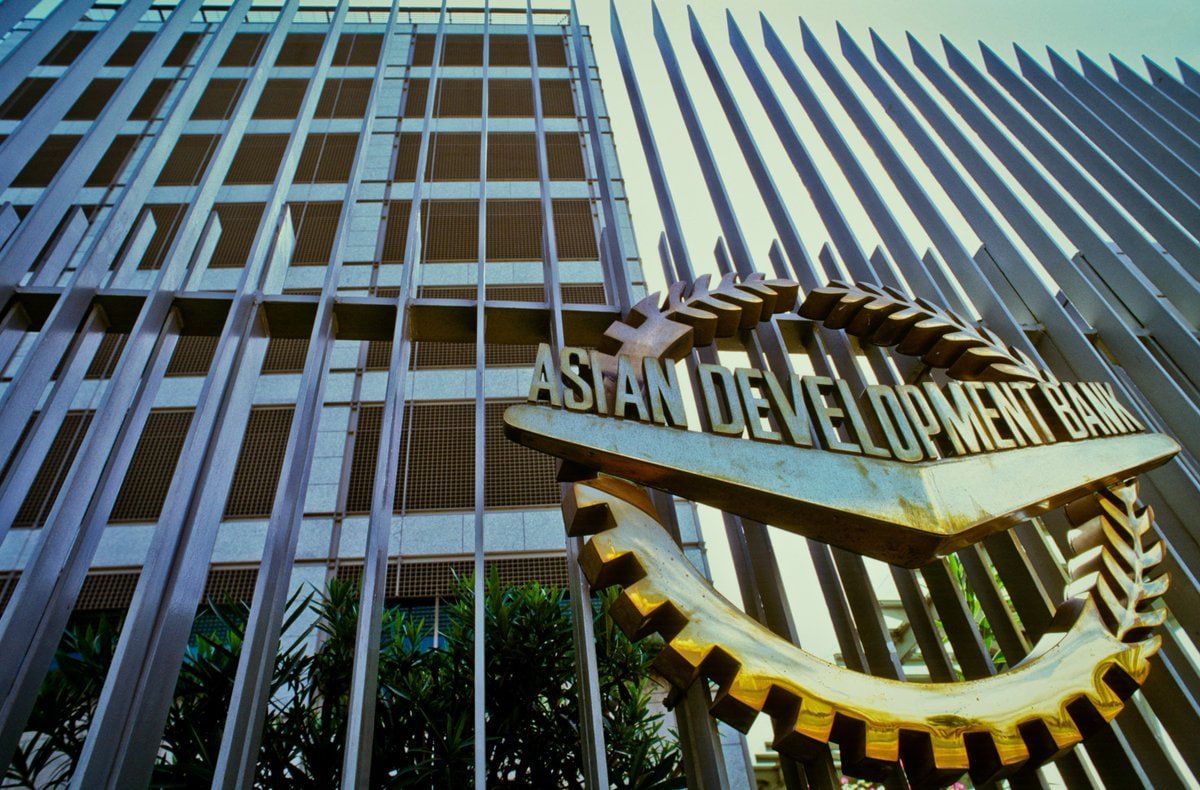
Asian Development Bank (ADB) President Masato Kanda has expressed hope that India and Pakistan will resolve their longstanding issues, including the recent tensions triggered by the Pahalgam terror attack in Indian-occupied Kashmir.
The attack on April 22, which killed 26 people, has escalated the situation between the two nuclear-armed neighbors, with India accusing Pakistan-backed groups of orchestrating the assault. Pakistan, however, has denied the charges, suggesting that India should look inward for the culprits.
During a press briefing at the ADB's 58th annual meeting in Milan, Kanda refrained from commenting directly on the political situation but emphasized his hope for a peaceful resolution to the ongoing tensions.
“As an international development organization, we do not engage in political matters,” Kanda said, adding that peace and political stability are essential for sustainable development.
He expressed the bank's commitment to fostering peace through economic cooperation and inclusive development, recognizing the impact conflict has on vulnerable populations.
When asked about global leadership challenges, Kanda acknowledged the rise in nationalism and fragmentation, particularly in the face of increasing trade interdependence and regional connectivity issues.
"In times of fragmentation, institutions like the ADB play a crucial role in fostering collaboration and promoting multilateralism," he explained, stressing the importance of preserving a stable international financial system.
He further elaborated on the importance of maintaining an open trade system, similar to the one that has benefited the Asia-Pacific region since 1944.
Kanda, who took over as ADB President in February 2025, highlighted the bank’s efforts to address pressing global issues such as climate change, food systems development, and regional connectivity.
Over the next five years, the ADB plans to increase its support for agriculture by adding $26 billion to its existing $14 billion program, taking the total to $40 billion by 2030. This expanded funding will focus on improving food systems, reducing hunger, and creating opportunities for farmers and businesses across the region. "Our aim is for private sector investments to account for over 27 percent of this program, underscoring their vital role in transforming food systems," he added.
In response to concerns about global trade volatility due to tariff impositions by the United States and China, Kanda advised caution. He recommended that countries diversify their trade partnerships rather than rely solely on regional neighbors.
0 Comments
No comments yet. Be the first to join the discussion!