December 10, 2025
Bilawal urges decentralization of tax collection, enhanced provincial representation in FBR
PPP Chairman emphasizes decentralization, public-private partnerships, and foreign trade opportunities

December 10, 2025
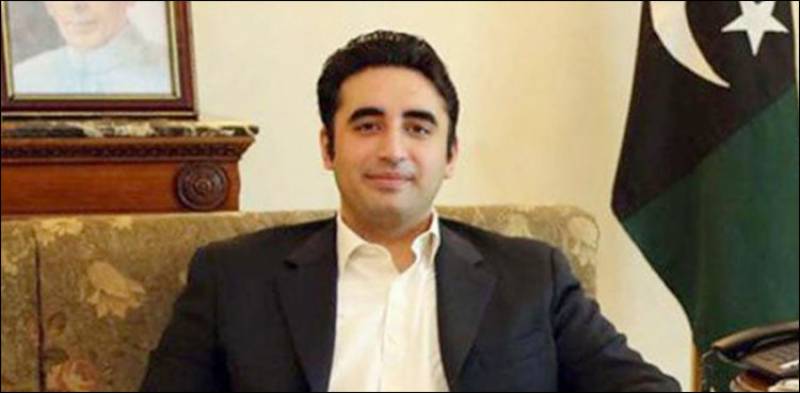
Bilawal Bhutto Zardari, Chairman of the Pakistan Peoples Party (PPP), presented his vision for the country’s economic development during a speech to the business community at the Federation of Pakistan Chambers of Commerce and Industry (FPCCI) Regional Office on Tuesday. He advocated for a cooperative approach to economic progress, emphasizing mutual trust and partnerships over coercive measures.
Bilawal highlighted that economic growth cannot be achieved through force but through goodwill and collaboration. While acknowledging the nation’s challenges, he refuted the idea that these difficulties could solely be attributed to the International Monetary Fund (IMF). He also committed to working with the federal government to address the issues surrounding the establishment of economic zones, stressing that the Prime Minister is genuinely invested in resolving these problems.
The PPP Chairman also discussed the party’s efforts to reduce electricity prices, emphasizing the importance of public-private partnerships in sectors like education, health, energy, and economic zones. He noted the historical strength of the relationship between the business community and his party.
Bilawal addressed the issue of taxation, acknowledging the business community’s concerns. While recognizing the shared goal of expanding the tax base for economic development, he criticized both current and past governments for attempting to manage the economy through force. He argued that understanding and mutual respect, not coercion, should guide tax collection. He cited an English proverb, stating, “You catch more flies with honey than with vinegar,” to stress the importance of treating taxpaying citizens with respect.
To illustrate the success of decentralization, Bilawal pointed to the collection of sales tax on services after the 18th Amendment, noting that provincial governments collected more revenue than the federal government did before the amendment. He attributed Sindh’s success in this regard to its lower sales tax rates, which encouraged business activity in the province.
Bilawal proposed reforms to the Federal Board of Revenue (FBR), suggesting that it should be restructured to include provincial representation. He proposed that tax collection responsibilities, such as sales tax on goods, be transferred to the provinces. If provinces meet the set targets, they could retain the full collection; however, if they fall short, the federation would deduct the shortfall from their share of the national divisible pool.
He also commended business leaders across 165 districts in Pakistan for their efforts to increase exports and expressed a desire to contribute to these efforts. Bilawal underscored Pakistan’s favorable trade status with China, citing opportunities for preferential export treatment. However, he lamented that Pakistan has not fully capitalized on these opportunities, urging stakeholders to make the most of them.
Bilawal also highlighted Pakistan’s Generalized Scheme of Preferences Plus (GSP+) status with Europe, which has helped increase exports by 80%. He encouraged district-level economic planning to tap into value-added goods, believing that such a strategy could significantly boost Pakistan’s exports.
On the power crisis, Bilawal proposed that relief efforts should focus on providing green energy to those using less than 200 units of electricity per month, rather than cross-subsidizing the entire population. He also praised the Thar Coal Project, a public-private partnership that provides affordable energy to the country.
The PPP Chairman concluded by advocating for further decentralization of economic zones and greater collaboration between provincial and federal governments. He highlighted Sindh’s successful economic zones, such as those in Khairpur, Larkana, and Dhabeji, and expressed hope that district-level economic zones could yield similar results.
The event was attended by several business and political leaders, including FPCCI President Atif Ikram Sheikh, Governor Punjab Sardar Saleem Haider Khan, and former Prime Minister Raja Pervez Ashraf, among others.
Our monitoring team diligently searches the vast expanse of the web to carefully handpick and distill top-tier business and economic news stories and articles, presenting them to you in a concise and informative manner.
View all articles →2 Comments
No comments yet. Be the first to join the discussion!