January 8, 2026
Nepra slightly reduces national average electricity tariff for 2026
Tariff reduced by 62 paise per unit and set at Rs33.38 per kWh for CY26, down from Rs34.00 in 2025-26, with separate rates for each distribution company

January 8, 2026
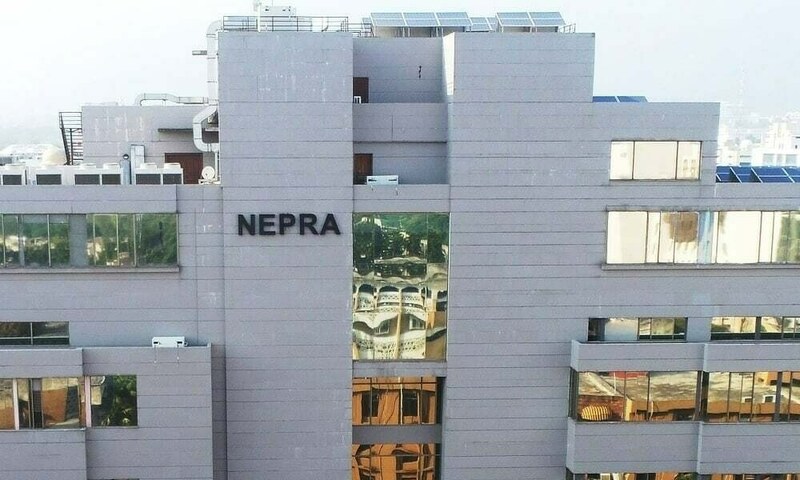
ISLAMABAD: The National Electric Power Regulatory Authority (NEPRA) has determined separate consumer-end electricity tariffs for each ex-WAPDA distribution company (XWDISCO), citing their distinct revenue requirements and varying levels of allowed transmission and distribution (T&D) losses.
The move follows the determination of multi-year tariffs (MYT) for several distribution companies and the annual rebasing of consumer-end tariffs for the calendar year 2026.
According to NEPRA, GEPCO, QESCO, MEPCO, SEPCO, HESCO, PESCO, TESCO and HAZECO had filed their MYT petitions for the period from FY 2025-26 to FY 2029-30, which have now been determined by the Authority. In line with policy guidelines issued by the Ministry of Energy (Power Division) and following approval by the Federal Cabinet, NEPRA undertook the annual rebasing of consumer-end tariffs effective from January 1, 2026.
The Authority issued its decision for the period January 2026 to December 2026 on January 7, 2026, and communicated the determined tariffs to the Federal Government for the filing of a uniform tariff application. NEPRA clarified that while consumer-end tariffs differ across distribution companies due to cost and loss variations, the federal government may notify a uniform tariff after completing the required legal process.
For calendar year 2026, NEPRA has determined the national average electricity tariff at Rs33.38 per kilowatt-hour, which is Rs0.62 per unit lower than the previously determined tariff of Rs34.00 per unit for FY 2025-26. The reduction reflects revised cost assumptions and projected performance parameters of the distribution companies.
The total revenue requirement of XWDISCOs for CY 2026 has been projected at Rs3,379 billion, based on expected electricity sales of 101,234 GWh. This includes Rs2,923 billion on account of power purchase price and Rs456.15 billion allocated for distribution companies’ margins, prior year adjustments (PYA), and other approved costs. NEPRA stated that these determinations aim to balance consumer affordability with the financial sustainability of distribution companies while promoting efficiency and accountability in the power sector.
The author is a an investigative journalist at Profit. He can be reached at [email protected].
View all articles →0 Comments
No comments yet. Be the first to join the discussion!