
Value-added textile exports rise over 3% to $7.70 billion in first half of FY2026 compared to previous year
PTC flags policy gaps as upstream textile exports continue to decline

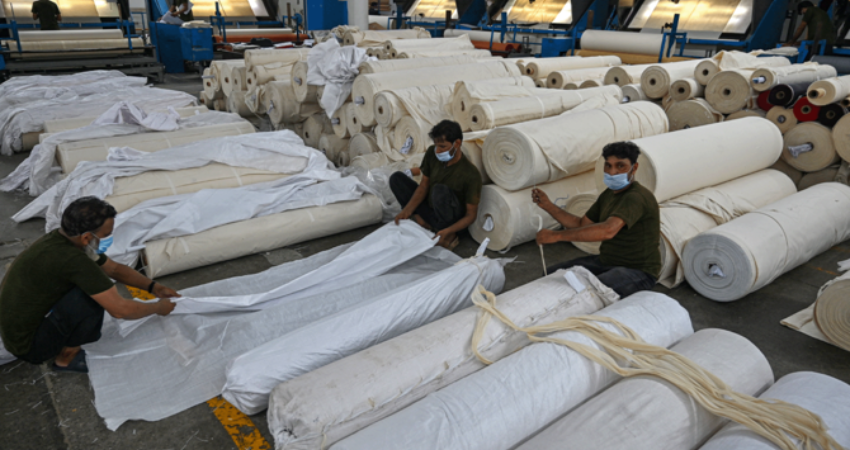
Pakistan’s value-added textile exports in the first half of the current fiscal year rose to $7.70 billion, an increase of more than 3 percent compared with the same period last year, according to provisional data released by the Pakistan Bureau of Statistics (PBS).
The value-added segment includes shipments of processed textile products such as yarn, fabrics, and made-ups, which contributed to the year-on-year growth in earnings. Exports of products like cotton cloth recorded notable gains within major categories.
The segment includes knitwear, non-knit apparel and other made-up articles, all of which posted increases during July–December of the fiscal year under review.
Despite the broader textile sector’s mixed performance, the value-added category’s growth contrasted with continued declines in traditional textile exports—covering raw and semi-processed goods— which fell from $1.65 billion to $1.49 billion year-on-year.
Value-added exports rose from $7.46 billion to $7.70 billion in the period, reflecting steady demand for more processed textile products on international markets.
Export destinations showed varied trends in the first half. The European Union remained the largest market with shipments totalling $3.67 billion, followed by the United States at $2.47 billion. Exports to the United Kingdom were recorded at $892 million, while shipments to Bangladesh and the UAE reached $311 million and $324 million, respectively.
PTC Chairman Fawad Anwar said the first-half analysis showed a clear divergence within Pakistan’s textile and apparel export basket, with upstream segments facing structural challenges due to a high cost of doing business, uncompetitive energy tariffs and tax frictions.
The PTC has proposed a series of policy measures to support export growth, including regionally competitive and predictable energy pricing for export-oriented industries and alignment of wage and overtime regulations with competing economies such as Bangladesh.
Other recommendations include reduction in taxes, zero-rating of inputs under the Export Facilitation Scheme, time-bound incremental export rebates for HS Chapters 61–63 linked to value addition and compliance with SDG and ESG standards, and structural reforms to improve cotton quality and yield while lowering costs for the spinning and weaving sector.
Comments
No comments yet. Be the first to join the discussion!


