PM cuts industrial power tariff by Rs4.4 per unit, lowers export refinance rate to 4.5%
Wheeling charges to fall below Rs9 as govt moves to support productivity and exports
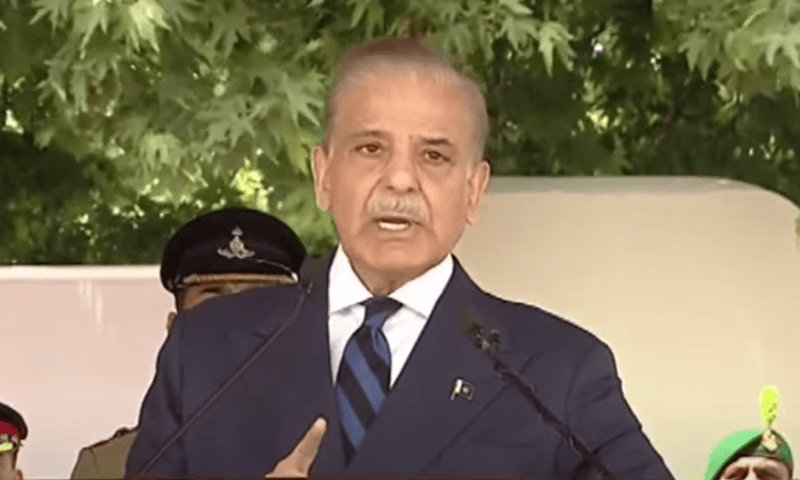
Prime Minister Shehbaz Sharif on Friday announced a reduction of Rs4.4 per unit in electricity tariffs for the industrial sector, alongside a cut in the export refinance rate, as part of measures aimed at supporting productivity and exports.
Addressing exporters and business leaders at a ceremony in Islamabad, the prime minister said the per-unit electricity rate for industries was being lowered by Rs4.4, adding that further reductions were constrained by existing limitations. He also announced a reduction in wheeling charges for industries, saying these would be brought down to below Rs9 per unit to enable industries to sell surplus power to nearby units.
To provide additional financial relief, the prime minister said the export refinance rate would be reduced to 4.5% from 7.5%, with the cooperation of Pakistan’s banking sector.
During his address, the prime minister acknowledged the role of exporters and business leaders in sustaining economic activity over the past year. He recalled that Pakistan faced severe financial stress in 2023, when concerns over a possible default dominated economic discussions.
He referred to engagements with the International Monetary Fund, noting that securing continued programme support required firm commitments on implementation. He said Pakistan was able to avoid default through coordinated efforts, including financial support from friendly countries.
The prime minister said Pakistan’s foreign exchange reserves have increased in recent months, though he noted that this includes external inflows. He acknowledged the support extended by countries including China, Saudi Arabia, the United Arab Emirates and Qatar in helping bridge financing gaps under the IMF programme.
Referring to current economic conditions, the prime minister said inflation has eased to single digits and the policy rate has declined to 10.5%, compared with levels exceeding 21% in the past. He said these developments indicate stabilisation but cautioned that stability alone is insufficient to drive growth.
He pointed to ongoing challenges, including high production costs, poverty and unemployment, and said industries continue to face competitiveness pressures. He added that further reductions in input costs, particularly energy prices, would be critical for enabling exporters to better utilise capacity and compete in regional and global markets.

Our monitoring team diligently searches the vast expanse of the web to carefully handpick and distill top-tier business and economic news stories and articles, presenting them to you in a concise and informative manner.
View all articles →Comments
No comments yet. Be the first to join the discussion!