Pakistan approves amended oil refining policy, paving way for $5-6bn upgrades, Euro-V fuels
Revised policy also targets higher petrol and diesel output, lower furnace oil production and reduced reliance on imported refined products; Petroleum Division tasked with holding roadshows in Qatar, Saudi Arabia and other Gulf states to attract investment in refinery upgrades.
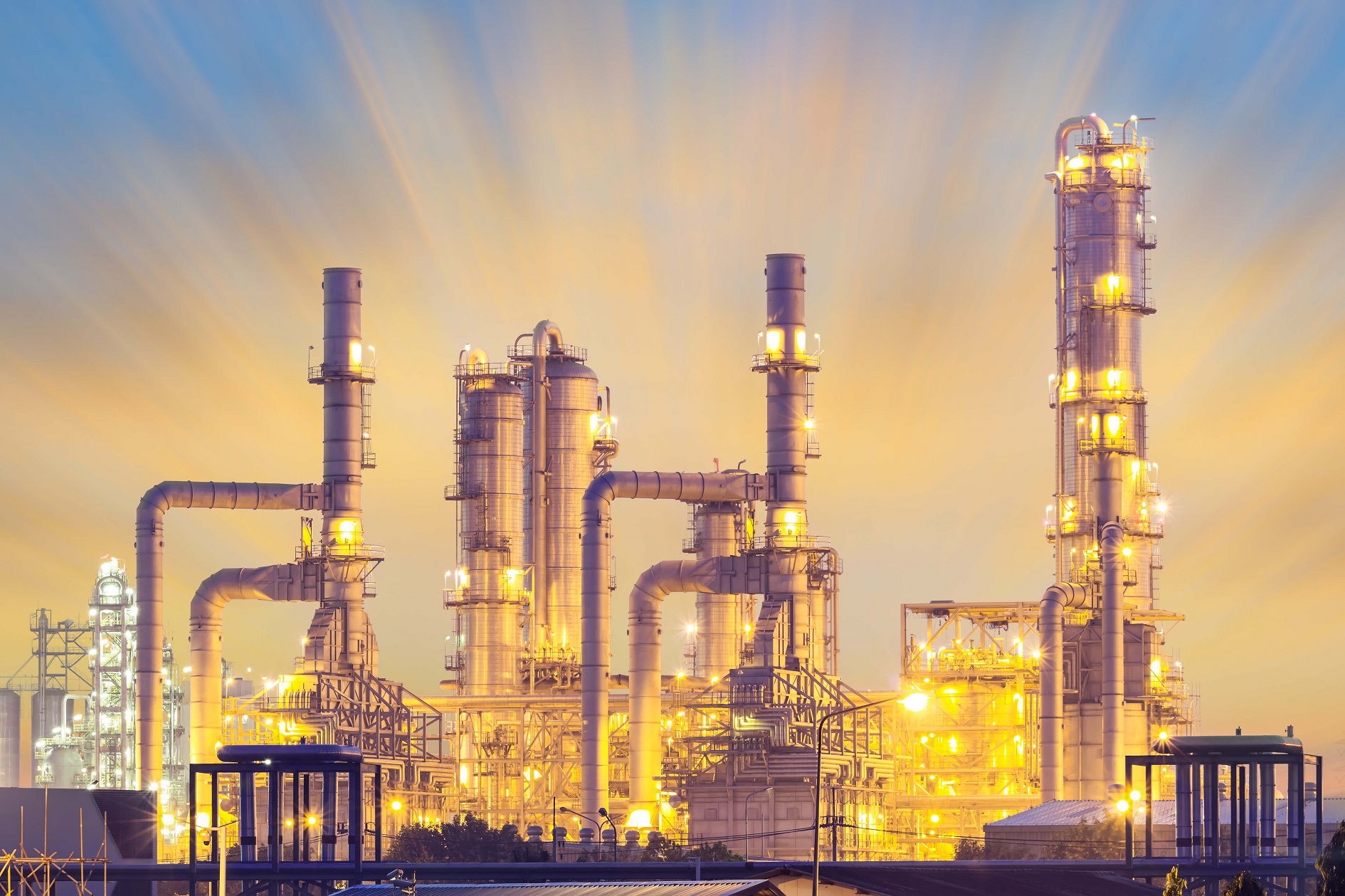
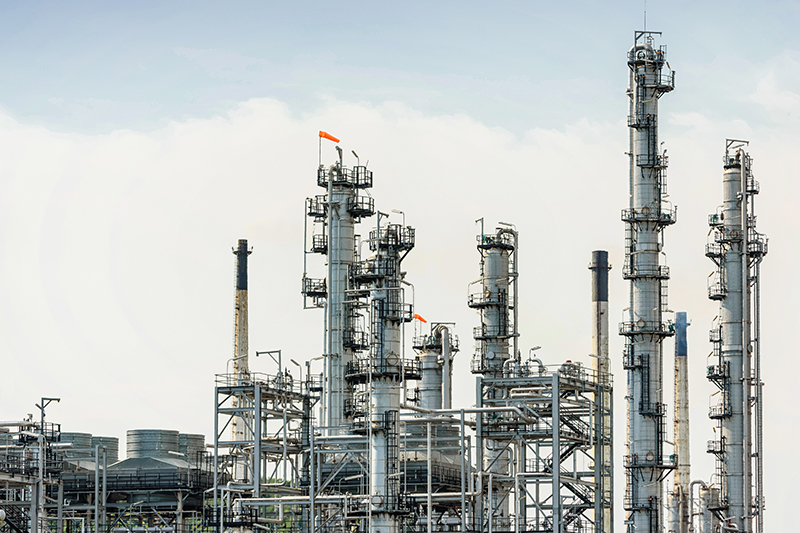
ISLAMABAD: The federal government on Tuesday approved amendments to the Pakistan Oil Refining Policy 2023, paving the way for an estimated $5-6 billion investment in refinery upgrades aimed at producing Euro-V fuels, increasing petrol and diesel output and strengthening Pakistan’s energy security.
The approval was granted during a meeting of the Cabinet Committee on Energy (CCOE) chaired by Prime Minister Shehbaz Sharif at the Prime Minister’s House.
The revised policy is expected to facilitate long-awaited brownfield refinery upgradation projects after addressing concerns raised by the refining industry over provisions that could have rendered the investments financially unviable.
The Pakistan Oil Refining Policy was originally notified on August 17, 2023, and amended in February 2024. The latest amendments were finalised after extensive consultations between the Petroleum Division, local refineries, and independent financial and legal advisory firms to resolve outstanding issues related to the implementation framework.
According to the Petroleum Division, the amended policy aims to facilitate the modernisation of existing refineries to enable the production of environmentally friendly, Euro-V-compliant petrol and diesel, increase the output of petroleum products currently in deficit, and reduce furnace oil production.
The meeting was informed that upgrading existing refineries is essential to enhancing domestic refining capacity and producing fuels meeting Euro-IV and Euro-V specifications. The transition is expected to help Pakistan meet its international environmental commitments, improve air quality and provide consumers with higher-quality fuels.
Key incentives under the amended policy include:
10% tariff protection, or deemed duty, on Motor Spirit (MS) and High-Speed Diesel (HSD) for seven years.
Incremental duties of 10% on MS and 2.5% on HSD, which will be accumulated in an Oil and Gas Regulatory Authority (OGRA)-managed escrow account to partially finance refinery upgrade projects.
Escrow drawdown capped at 27.5% of the total project cost for refineries importing new plant, machinery and equipment, and at 24.5% for those using imported used machinery.
Continuation of the 7.5% deemed duty on HSD for up to 20 years after the initial incentive period, or until deregulation, whichever comes earlier.
Reimbursement of customs duty on imported crude through the Inland Freight Equalisation Margin (IFEM).
Exemption from sales tax on imported plant, machinery and equipment for refinery upgrade projects.
The policy also seeks to address the growing imbalance in refinery production caused by declining domestic demand for furnace oil. Reduced furnace oil consumption has frequently created storage constraints, forcing refineries to operate below their installed capacity.
By increasing petrol and high-speed diesel production while reducing furnace oil output, upgraded refineries are expected to improve operational efficiency and strengthen the country’s fuel supply chain.
Industry sources said the refinery upgradation programme is expected to attract $5 billion to $6 billion in fresh investment. Besides enabling the production of cleaner fuels, the projects are projected to generate substantial foreign exchange savings by reducing Pakistan’s dependence on imported refined petroleum products.
Industry estimates indicate that delays in refinery modernisation have been costing the country between $1.5 billion and $2 billion annually, making the approval of the amended policy a significant development for Pakistan’s downstream petroleum sector.
Addressing the meeting, Prime Minister Shehbaz Sharif said refinery upgradation was an urgent national requirement and a key pillar of Pakistan’s energy security framework. He said modernised refineries would help meet the country’s energy needs more efficiently, reduce reliance on imported refined fuels and support the supply of environmentally friendly petroleum products.
The prime minister directed the Oil and Gas Regulatory Authority (OGRA) to introduce reforms to improve its institutional performance and better respond to market requirements. He said the reforms should promote transparency, competition and investment across the energy sector.
He also instructed the relevant ministries and institutions to ensure effective and timely implementation of the amended policy, emphasising that negligence or unnecessary delays would not be tolerated. He directed all stakeholders to maintain close coordination to accelerate the implementation process.
To promote investment in Pakistan’s refining sector, the prime minister directed the Petroleum Division to organise roadshows in Qatar, Saudi Arabia and other Gulf countries to showcase investment opportunities arising from the amended Brownfield Refinery Policy.
The prime minister also directed authorities to increase Pakistan’s strategic petroleum reserves and reviewed progress on refinery modernisation and broader energy sector reforms during the meeting.
Prime Minister Shehbaz Sharif appreciated Federal Minister for Petroleum Ali Pervaiz Malik and his team at the Petroleum Division for steering the amendments through extensive consultations with the refining industry and relevant government departments, leading to the policy’s approval.
The CCOE meeting was attended by Federal Ministers Ahad Khan Cheema, Muhammad Aurangzeb, Ali Pervaiz Malik and Ahsan Iqbal, along with senior federal secretaries and other high-ranking government officials.

The author is a an investigative journalist at Profit. He can be reached at [email protected].
View all articles →Comments
No comments yet. Be the first to join the discussion!