Petroleum Division proposes investor safeguards, fresh incentives in revised refinery policy
Amended Brownfield Refining Policy 2023 offers seven-year fiscal incentives to support $6bn refinery upgrades and Euro-V fuel production
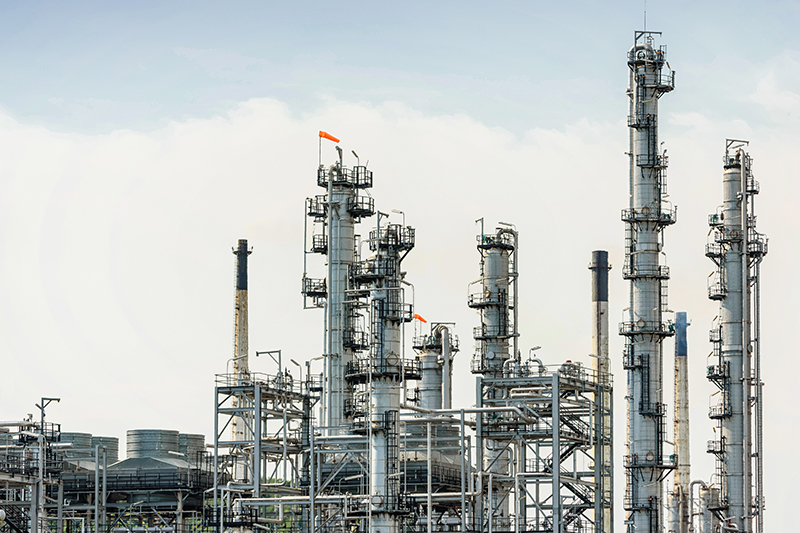
The Petroleum Division has submitted the amended Brownfield Refining Policy 2023 to the Cabinet Committee on Energy (CCoE), proposing new investor protection measures and a fresh seven-year incentive package to support nearly $6 billion in refinery upgrade projects, The News reported.
The proposal includes six new provisions, including stability and parity clauses, aimed at reassuring foreign investors and lenders financing refinery modernisation. It also allows refineries to open onshore foreign currency accounts to service foreign debt and provides safeguards against adverse changes in taxation, regulations, licensing requirements and other government actions that could affect project viability.
Before being placed before the CCoE, the summary was circulated among the Special Investment Facilitation Council (SIFC), Finance Division, National Crisis Management Committee (NCMC), Law and Justice Division, Federal Board of Revenue (FBR), Board of Investment (BoI) and Oil and Gas Regulatory Authority (Ogra) for comments.
Under the proposed policy, existing refineries will be required to sign legally binding Upgrade Agreements with Ogra within 90 days of notification to qualify for incentives. The agreements will specify project timelines, Euro-V production targets, refinery capacity, furnace oil reduction plans and other implementation milestones.
The revised policy aims to modernise Pakistan's refining sector by increasing production of Euro-V compliant petrol and diesel, reducing furnace oil output and improving energy security.
To facilitate these investments, the government has proposed a minimum 10% customs or regulatory duty on imported petrol and diesel for seven years.
Eligible refineries will also receive 10% deemed duty or tariff protection on ex-refinery prices of petrol and diesel, while plant, machinery and equipment imported for upgrade projects will be exempt from sales tax.
The draft also introduces jointly operated escrow accounts to ensure fiscal incentives are used exclusively for refinery upgrade projects. Withdrawals will only be allowed after financial close and achievement of specified project milestones.
The policy includes compliance measures such as independent technical verification, biannual audits by leading audit firms and penalties for delays or project abandonment. Refineries with outstanding government liabilities will remain ineligible for incentives until settlement agreements are reached.
The SIFC has recommended that refineries which had documented their willingness to sign Upgrade Agreements should not be penalised for missing the October 22, 2024 deadline. It proposed that the reduction in deemed duty on high-speed diesel from 7.5% to 5% should take effect from the actual date of signing the Upgrade Agreement instead of retrospectively. The issue will be decided by the CCoE.
The policy also outlines upgrade plans for Pakistan Arab Refinery Limited (Parco), Attock Refinery Limited (ARL), Pakistan Refinery Limited (PRL), National Refinery Limited (NRL) and Cnergyico, with the projects aimed at expanding refining capacity, increasing Euro-V fuel production and significantly reducing furnace oil output.

Our monitoring team diligently searches the vast expanse of the web to carefully handpick and distill top-tier business and economic news stories and articles, presenting them to you in a concise and informative manner.
View all articles →Comments
No comments yet. Be the first to join the discussion!