Refineries oppose cut in HSD tariff protection, retrospective recovery of 2.5% deemed duty
ARL, NRL, PRL and Cnergyico say the delay in signing upgrade agreements was caused by government inaction, not refinery default
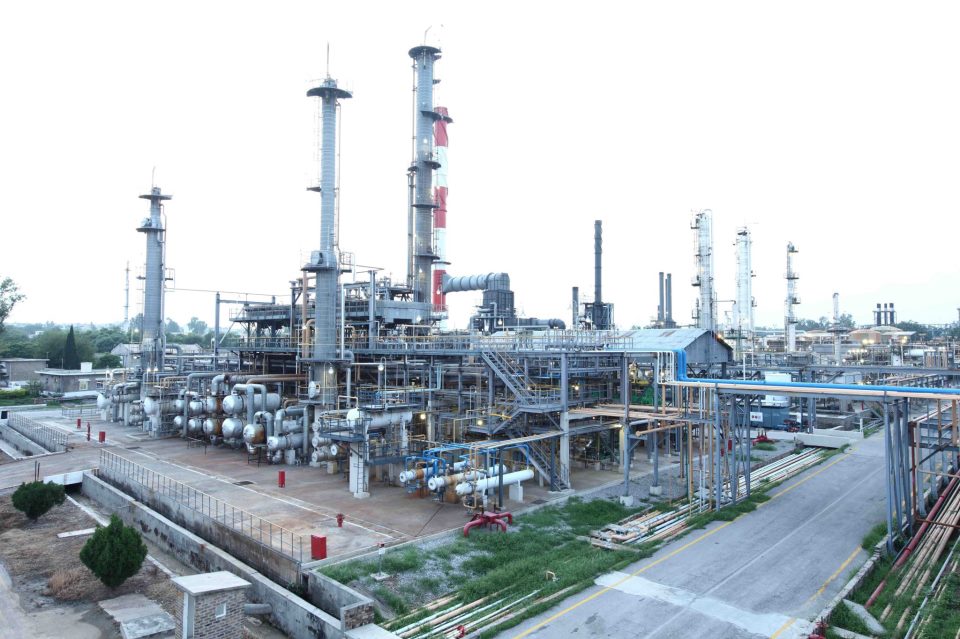
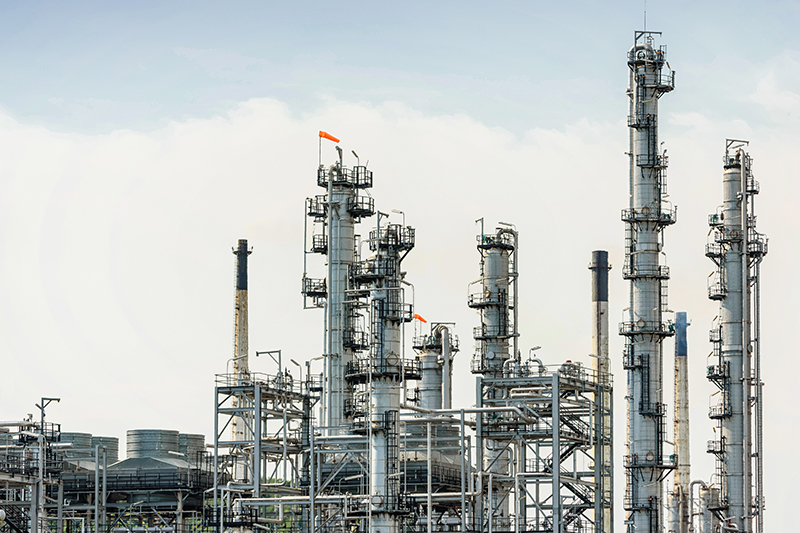
Pakistan’s four major oil refineries have opposed a government proposal to retrospectively reduce deemed duty on high-speed diesel (HSD), warning that such a move would penalise the industry for delays they say were caused by the government’s failure to implement the refinery upgradation policy, The News reported.
In a joint representation submitted to the secretary, Petroleum Division, after a June 23 meeting chaired by the minister for energy (Petroleum Division), the chief executives of Attock Refinery Limited (ARL), National Refinery Limited (NRL), Pakistan Refinery Limited (PRL) and Cnergyico PK Limited (CPL) opposed any reduction in HSD tariff protection from 7.5% to 5.0%.
The refineries also opposed retrospective recovery of the 2.5% deemed duty, arguing that they had completed all obligations required under the Pakistan Oil Refining Policy for Upgradation of Existing/Brownfield Refineries 2023 within the prescribed timelines.
According to the representation, implementation of the policy stalled because the Petroleum Division did not arrange the signing of the Upgrade Agreements within the required period.
The refineries said the proposed adjustment was being considered despite the fact that the delay did not result from any unwillingness, omission or default on their part.
They argued that the Finance Act 2024 later altered the fiscal assumptions on which the refinery upgradation policy had been approved by converting motor spirit, HSD, kerosene and light diesel oil from taxable supplies into exempt supplies under the Sales Tax Act, 1990.
The companies said this change required stakeholders to revisit the implementation mechanism for the refinery policy.
The representation cited official correspondence to support the refineries’ position. It said PRL signed its Upgrade Agreement in November 2023.
NRL submitted duly initialled Upgrade and Escrow Agreements along with required documents on March 22, 2024.
ARL submitted two original Upgrade Agreements and three Escrow Agreements on March 25, 2024, and informed the Oil and Gas Regulatory Authority (Ogra) that the mandatory Rs1 billion bank guarantee would be provided on the date of signing.
Cnergyico informed Ogra through a letter dated April 18, 2024, that its Board of Directors had approved both the Upgrade Agreement and Escrow Agreement and that the company was ready to execute the documents. It also requested the regulator to announce a signing date.
Despite these steps, the refineries said none of them was invited to execute the agreements, although they had completed the required formalities within the prescribed timelines.
The representation also stated that NRL has already started producing Euro-V, or Pak-V, compliant high-speed diesel.
The refineries referred to Ogra’s letters dated April 3 and April 4, 2024, in which the regulator informed the Petroleum Division that ARL, NRL and PRL were ready to sign the Upgrade Agreements and asked the ministry to coordinate the signing ceremony.
In its April 4 communication, Ogra also warned that the deadline for opening the mandatory joint escrow accounts was April 22, 2024. It noted that National Bank required at least one week to complete the account-opening process and asked the Petroleum Division to arrange the signing ceremony without delay.
The representation also referred to a Petroleum Division summary submitted to the Cabinet Committee on Energy (CCoE) on May 2, 2024.
According to the refineries, the summary acknowledged that ARL, NRL and PRL had conveyed their readiness to sign the Upgrade Agreements.
The same summary proposed extending the signing deadline by six months from April 22, 2024, after noting that PARCO was still updating the feasibility of its upgrade project and Cnergyico was negotiating settlement of outstanding petroleum levy dues with the government.
The refineries said the Petroleum Division itself acknowledged in the summary that failure to sign the agreements by the deadline would automatically reduce the prevailing deemed duty on HSD from 7.5% to 5.0%.
The companies argued that the official record shows the delay was administrative and not linked to any failure by the refineries.
They also said they remained engaged with the Petroleum Division, Ogra and other stakeholders and repeatedly reaffirmed their commitment to undertake investments envisaged under the refinery upgradation policy.
The representation also challenged the view that domestic refineries continue to receive substantial tariff protection.
It said the Tariff Protection Formula was introduced on July 1, 2002, after replacing the Guaranteed Return Pricing Formula to strengthen energy security, support investment, and enable local refineries to compete with regional and international refineries without relying on government subsidies.
Initially, the formula allowed a deemed duty of 10% on HSD and 6.0% on kerosene, light diesel oil and JP-4.
However, from August 1, 2008, deemed duty on HSD was reduced to 7.5%, while tariff protection on kerosene, light diesel oil and JP-4 was withdrawn.

Our monitoring team diligently searches the vast expanse of the web to carefully handpick and distill top-tier business and economic news stories and articles, presenting them to you in a concise and informative manner.
View all articles →Comments
No comments yet. Be the first to join the discussion!