February 3, 2026
IMF programme limits room for relief to business, SEZs, commerce minister tells Senate panel
Jam Kamal Khan says equal treatment across sectors required under IMF terms as lawmakers question FBR’s role in Iran trade facilitation

February 3, 2026
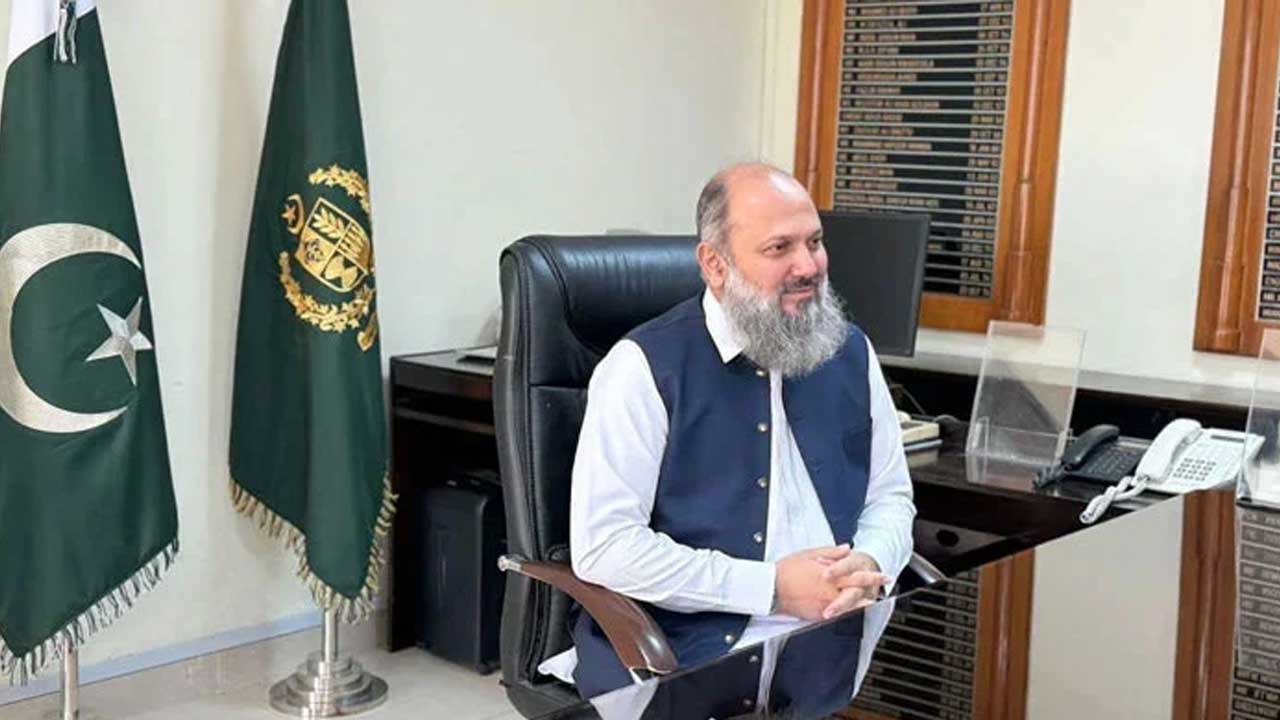
Federal Minister for Commerce Jam Kamal Khan told a Senate committee on Monday that the government’s ability to offer relief to the business community remains constrained under the International Monetary Fund (IMF) programme, which limits policy flexibility and discourages sector-specific incentives.
According to a news report, briefing the Senate Standing Committee on Commerce, chaired by Senator Anusha Rahman, the commerce minister said the IMF framework requires equal treatment of all sectors and prioritises revenue enhancement before any relief or subsidies can be extended, adding that the IMF has also raised objections to incentives linked to Special Economic Zones and maintains that subsidies should only be provided once revenues increase.
Committee members sharply criticised the Federal Board of Revenue (FBR) over what they described as delays and hurdles in implementing trade facilitation measures, particularly a Statutory Regulatory Order (SRO) related to barter trade with Iran. Lawmakers demanded that FBR Chairman Rashid Mahmood Langrial be summoned to explain the non-implementation of the SRO and the absence of a functional mechanism for Iran trade.
The committee was informed that Pakistan’s current bilateral trade with Iran stands at $3.12 billion, with imports of $2.42 billion and exports of around $700 million. Officials said nearly 200 business-to-business meetings were held in Tehran during a recent visit, identifying potential opportunities for barter trade, though transactions through formal banking channels remain a major constraint due to international sanctions on Iran.
Jam Kamal Khan said around 95% of Pakistan’s business community lacks access to formal financing, while high interest rates have encouraged investors to place funds in banks rather than productive sectors. He noted that returns of around 18.1% continue to divert capital away from industry. Committee members expressed hope that the State Bank of Pakistan’s policy rate could fall to single digits by June 2026.
The minister also said discussions are underway with provincial governments on reducing or abolishing the infrastructure cess and that talks have begun on a potential free trade agreement with Iran.
On women entrepreneurship, the committee was informed that the Trade Development Authority of Pakistan (TDAP) has increased subsidies for women entrepreneurs to 50% of airfare and lodging costs to support participation in national and international exhibitions. TDAP officials said 34 women entrepreneurs were recently facilitated to visit Bangladesh and that awareness programmes are being conducted to help women access export markets.
The committee recommended further enhancing support for women entrepreneurs, including increasing subsidies to 80% for initial events, and called for a review of income tax rates and business-friendly policies to support exporters. Lawmakers also stressed the need to make economic zones fully operational and to ease access to financing for small and medium enterprises to boost export growth.
Our monitoring team diligently searches the vast expanse of the web to carefully handpick and distill top-tier business and economic news stories and articles, presenting them to you in a concise and informative manner.
View all articles →0 Comments
No comments yet. Be the first to join the discussion!