February 3, 2026
Pakistan, Uzbekistan push $2 billion trade target at 10th IGC session
Both sides agree to expand cooperation in trade, transport, agriculture, energy, and education

February 3, 2026
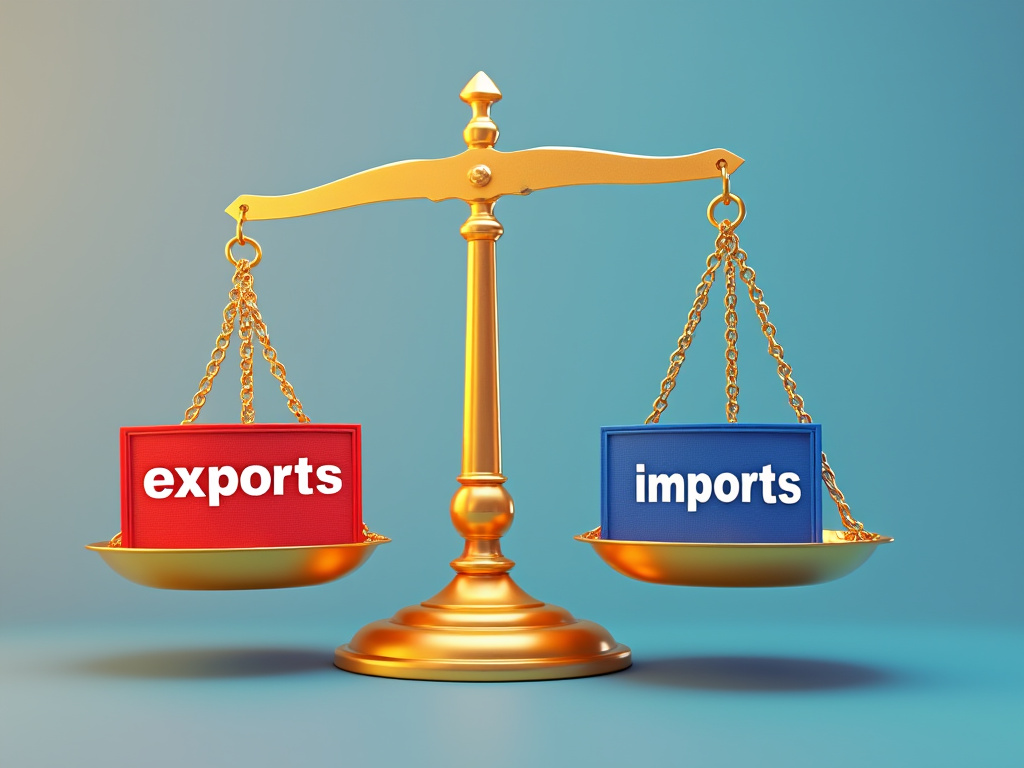
Pakistan and Uzbekistan reaffirmed their commitment to deepen economic cooperation and accelerate efforts to raise bilateral trade to $2 billion during the 10th session of the Pakistan-Uzbekistan Intergovernmental Commission on Trade, Economic, and Scientific-Technical Cooperation.
The session was co-chaired by Special Assistant to the Prime Minister for Industries and Production Haroon Akhtar Khan and Uzbekistan’s Minister of Investment, Industry and Trade Laziz Kudratov. Officials reviewed progress since the previous IGC meeting in 2025 and agreed on a roadmap to strengthen collaboration across key sectors.
Both sides stressed the importance of the Preferential Trade Agreement, welcomed progress under Phase II concessions, and agreed to expedite institutional mechanisms to meet the agreed trade target. Discussions also focused on trade facilitation, logistics, customs digitalisation, transit trade, regional trade corridors, and enhanced business-to-business engagement, supported by improved visa facilitation for business communities.
The Commission agreed to establish a Joint Working Group on labour relations to address labour mobility, skills development, workplace safety, and employment visa-related issues.
In transport and communications, both sides reviewed progress on regional railway and connectivity projects, discussed launching direct air services, and agreed to advance alternative transport corridors to improve regional trade and transit connectivity.
Cooperation in agriculture and food security was reviewed, including progress on phytosanitary protocols enabling the export of Uzbek fruits to Pakistan. The two countries agreed to expand collaboration through additional protocols and technical cooperation in plant protection, livestock development, and agricultural research.
In higher education, science, and technology, the Commission noted progress in academic and research partnerships and agreed to promote joint research, student and faculty exchanges, vocational training, innovation, and capacity building under newly signed agreements.
The two sides also agreed to collaborate on climate resilience, protection of glacial ecosystems, sustainable water management, environmental governance, and gender-inclusive climate action. In pharmaceuticals, they agreed to strengthen regulatory cooperation, promote joint ventures, and enhance capacity building to ensure quality and safety of medical products.
Further cooperation was discussed in energy and minerals, information technology, telecommunications, small and medium enterprises, industry, banking, and finance, with agreements to strengthen joint working groups, promote digitalisation, and enhance institutional capacity.
Both co-chairs underscored the need to translate political goodwill into tangible economic outcomes and expressed confidence that the decisions taken would deepen institutional linkages and encourage private sector participation.
The two countries agreed to hold the 11th session of the Intergovernmental Commission in Tashkent on dates to be decided through diplomatic channels.
0 Comments
No comments yet. Be the first to join the discussion!