February 5, 2026
Car ownership in Pakistan drops from 18 to 11 per 1,000 residents
IMC CEO highlights Rs19.5 billion compensation gap, low per capita income, and policy inconsistencies as key barriers to market growth

February 5, 2026
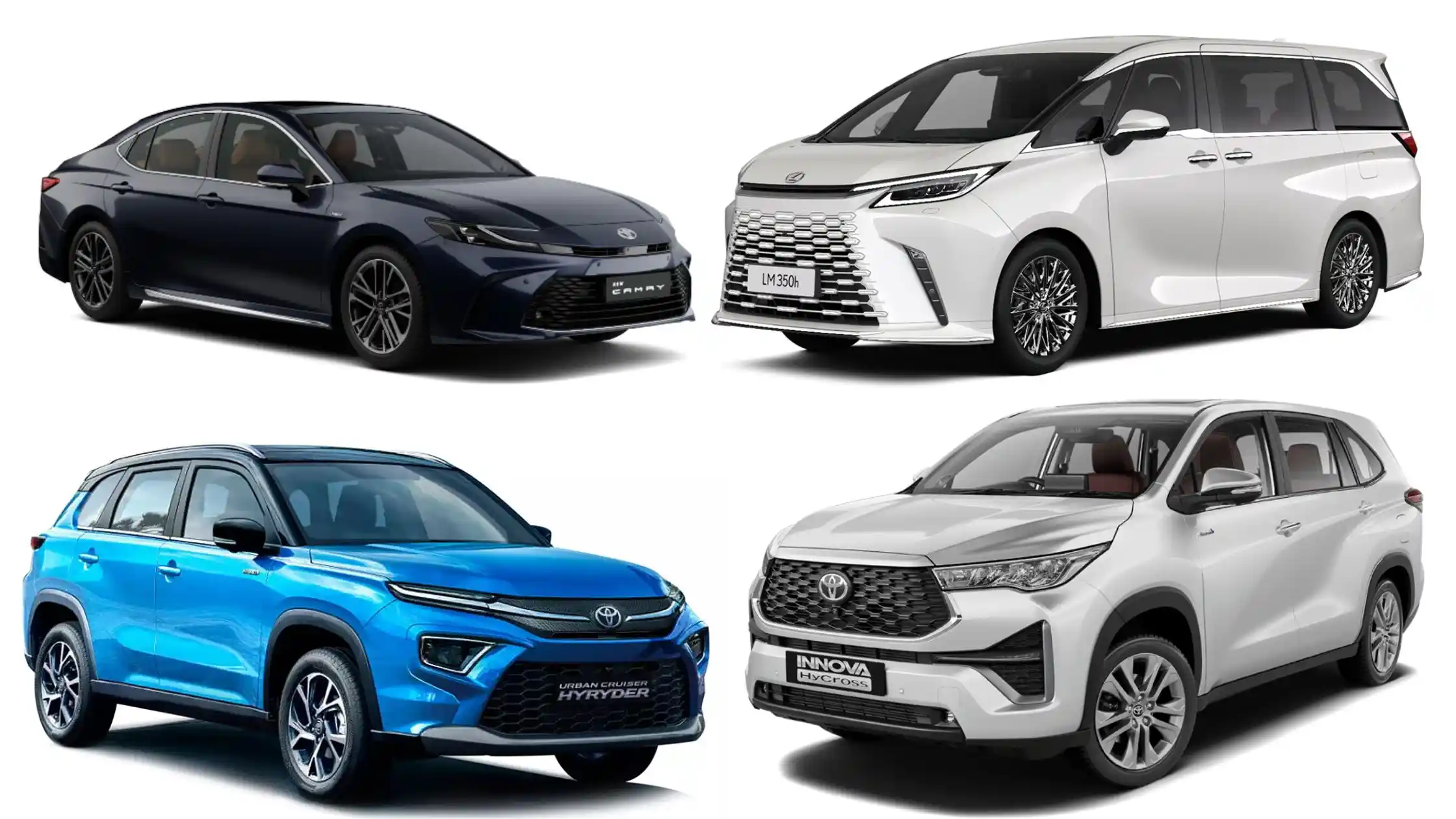
Car ownership in Pakistan has sharply declined, with just 11 cars per 1,000 residents, down from 18, despite a surge in new entrants to the country's automobile sector, revealed Ali Asghar Jamali, CEO of Indus Motor Company (IMC). He attributed this decline to deep-rooted structural challenges, including inconsistent policies, weak income growth, and affordability issues.
In a recent interview, Jamali expressed a lack of confidence in the current policy environment, stressing that stable and consistent policies are crucial for long-term growth in the sector.
Jamali noted that while he remained optimistic about production, predicting the market would exceed 275,000 units this year, the automobile sector's growth remains constrained by the country's low per capita income, which is around $1,700—well below the $3,000 threshold needed for meaningful market expansion. He emphasised that affordability, not just population size, determines the success of an auto market.
The IMC CEO compared Pakistan's situation with India, where car sales exceed four million annually, attributing India's growth to rising income levels rather than currency fluctuations. "Once India crosses the $3,000 mark, it will become one of the world's largest auto markets," he said.
On pricing, Jamali explained that while Pakistan's car prices are often compared to India's, such comparisons ignore significant tax differences. He added that Toyota, which remains an upper-segment brand in both countries, has comparable prices once taxes are stripped out.
He also discussed consumer behavior, noting that buyers in the lower price segments (below Rs5 million) are highly sensitive to price changes. However, in higher segments, price sensitivity is lower, making these areas attractive for new entrants despite smaller volumes. He cautioned, however, that a market based solely on premium segments cannot sustain long-term growth.
He also defended the local auto sector, which he said contributes to industrial capacity building and human capital development, particularly in the Gulf. He acknowledged that while local companies may not lead in innovation, they play a vital role in localisation, vendor development, and job creation.
Our monitoring team diligently searches the vast expanse of the web to carefully handpick and distill top-tier business and economic news stories and articles, presenting them to you in a concise and informative manner.
View all articles →2 Comments
No comments yet. Be the first to join the discussion!