February 23, 2026
How crypto is banking the unbanked in Pakistan

February 23, 2026
A young worker in the Gulf sends money home. A freelancer waits on an overseas payment. A student in a small town tops up mobile data and pays a bill through an agent because a bank branch feels distant, slow or intimidating. For millions of underbanked and unbanked Pakistanis, the question is less about new financial products and more about getting through the month with fewer delays, fewer fees and fewer chances of being scammed. Documentation demands, thin rural branch coverage and mistrust of banks still keep many people on the margins.
Pakistan’s account-ownership story depends on how it is measured. Estimates put the share of unbanked adults in Pakistan at 53 per cent, with financial exclusion disproportionately affecting women and low-income groups. With more than 200 million telecom subscriptions, phones have become the default financial interface for many households. Digital finance still depends on reliable internet access, and industry warnings about firewall-linked disruptions have reinforced how quickly ‘online money’ can stall. Platforms like crypto exchange MEXC argue that lower-cost access to stablecoins and clearer disclosure standards can make these mobile-first money flows more practical for users navigating delays and fees.
Remittances keep households afloat as fees and delays keep biting
Remittances remain one of Pakistan's most important household safety nets and also one of its most reliable sources of foreign exchange. Pakistan sits among the top five remittance recipients among low- and middle-income countries, with a forecast of roughly $30 billion in 2025.
Personal remittances were about 9.4 per cent of GDP, which is why transfer costs and delays directly affect household budgets. Those inflows, which hit a monthly record of $4.1 billion in March 2025, often cover rent, school fees and medical bills, supporting day-to-day resilience.
Still, sending money across borders through the usual channels can be frustratingly expensive. The World Bank puts the global average cost at about 6.49 per cent of whatever you send. The exact fee depends on the route and the provider, and processing can stretch out due to compliance checks, intermediary banks and the final cash-out step on the other side. In its 2025 annual report, MEXC says its zero-fee model is designed to lower user costs at the point of conversion between assets.
That cost pressure encourages workarounds. Some Pakistanis rely on cash-based informal networks, while others experiment with digital alternatives when the official route feels slow, expensive or inconvenient. Even when a transfer arrives through formal channels, it can still end up in cash via an agent, which limits how far “inclusion” travels beyond the moment of receipt. Speed and clear pricing often shape those choices.
Crypto infrastructure and stablecoins
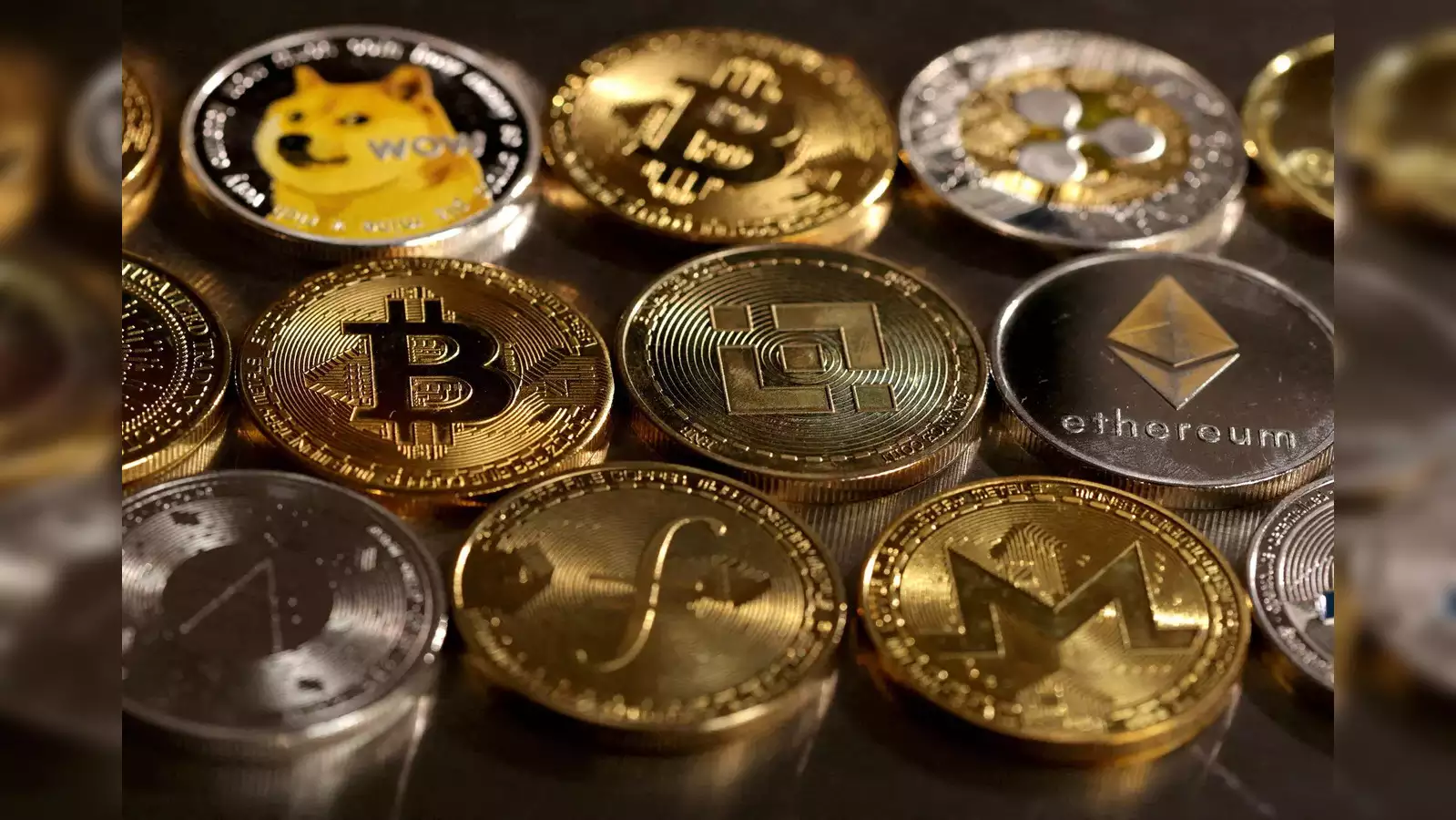
Pakistan’s crypto activity is hard to miss in global data. Chainalysis ranked Pakistan third overall in its 2025 Global Crypto Adoption Index. While the ranking uses specific weighting metrics, the index points to activity that extends beyond isolated speculation. For many users, stablecoins (digital tokens typically pegged to the US dollar) are appealing because they behave more like dollars, while money moves from one country to another.
Alongside transfers, some users treat stablecoins as a way to hold value between paydays or park small balances outside cash, especially when card access is limited. Mobile wallets can also make it easier to receive freelance income or settle online payments without a bank account.
Regulators are starting to acknowledge this utility. Pakistan has agreed with SC Financial Technologies to explore the use of its stablecoin USD1 for cross-border transactions. In addition to the recent creation of the Pakistan Virtual Assets Regulatory Authority (PVARA), the government is exploring the roadmap to regulate the crypto space and provide protection for consumers.
Trust is the centre of gravity
Trust decides whether new channels become everyday tools or stay niche. Policy attention reflects opportunity and risk in the same breath. Crypto usage carries real risks, including scams, lost credentials and limited recourse when something goes wrong. Those risks help explain why trust and consumer protection matter as much as speed.
MEXC’s 2025 annual report says the company moved toward monthly proof-of-reserves audits by Hacken and points to a $100 million “Guardian Fund” as a user-protection backstop. In Pakistan, those claims matter because the core barrier is confidence: people need to know what safeguards exist and what happens when something goes wrong. All that said, for people shut out of banks or cards, a wallet can be another way in — to let them pay digitally and move value across borders.
Tokenised instruments can widen access, but outcomes depend on execution. Whether this helps ordinary users comes down to basics: clear fees, safer custody and a real way to fix problems when something breaks.
People need straightforward rules they can understand, plus basic protections against scams and sudden account freezes, especially when they’re relying on a wallet for everyday money. For a younger generation in Pakistan looking to transfer money internationally and save funds until payday, it will all depend on whether digital infrastructure provides better, faster and safer options at scale.
Pakistan’s next step is getting the rules straight. It needs to be clear what’s allowed and who can offer it, and what happens when something goes wrong. Consumer protection should start with fees and risks spelled out up front, a complaints process that actually responds, and real follow-through against fraud. If digital wallets can plug into the payment rails people already use, such as agents, bill payments and mobile wallets, then small transfers can stay predictable and safer.
Maha Shah is a finance and crypto journalist who has worked at Bloomberg and Forkast News. She covers the fast-moving intersection of digital assets and global finance, focusing on blockchain innovation, market trends, and the forces shaping the digital economy
View all articles →1 Comment
No comments yet. Be the first to join the discussion!