February 25, 2026
Shehbaz pledges sweeping direct tax cuts, demands state wide push to accelerate growth
PM cites inflation below 7 percent, policy rate at 10.5 percent, warns sugar, cement and tobacco sectors over tax evasion

February 25, 2026
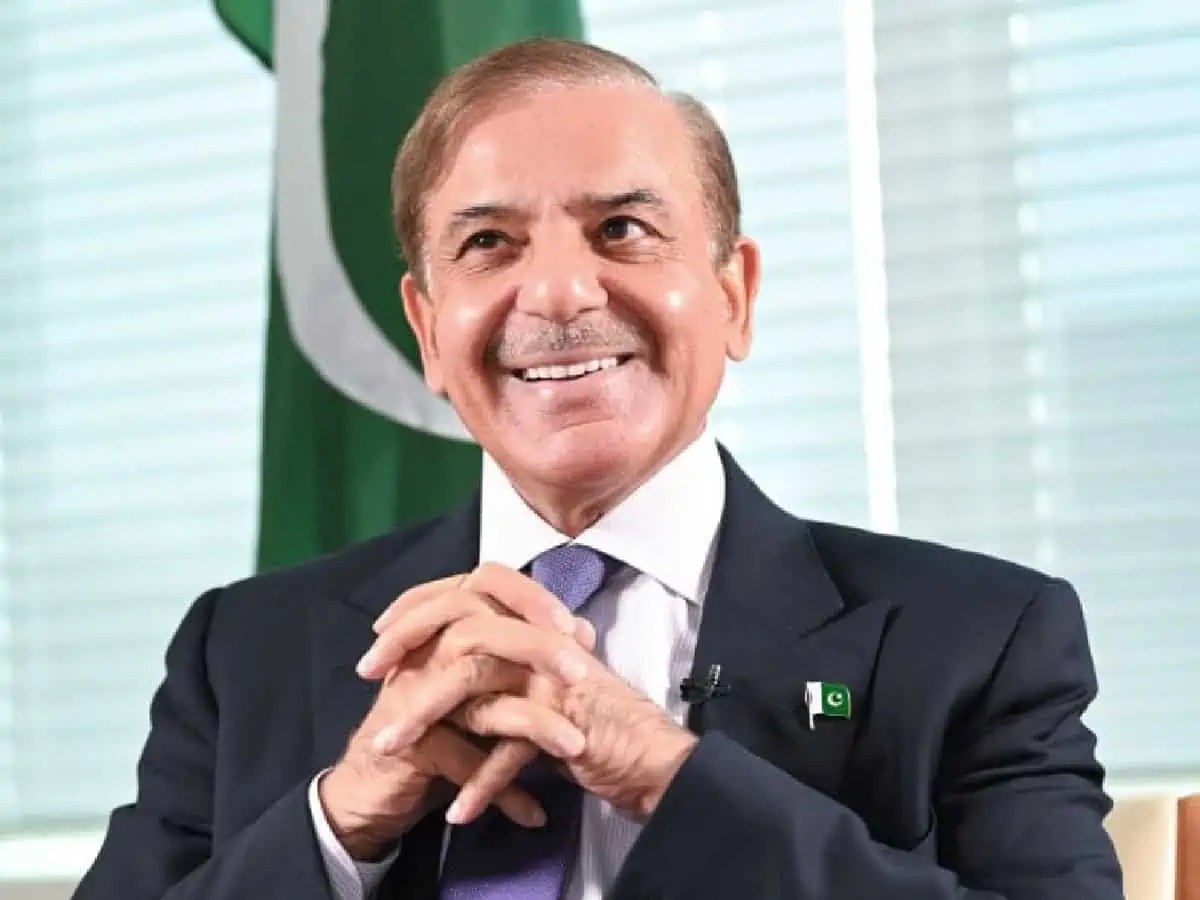
Prime Minister Shehbaz Sharif on Wednesday said the government would move to reduce direct taxes across the board in the upcoming federal budget, arguing that Pakistan must prioritise growth, exports and investment instead of relying on repeated tax hikes.
Addressing the Pakistan Governance Forum 2026, Shehbaz said facilitating business and investors was the state’s core responsibility, while the private sector should drive productivity, research and exports. He warned that Pakistan had no time to lose and needed rapid, coordinated action to restore its economic standing.
The prime minister accused certain industries of withholding indirect taxes collected from consumers, calling it a major injustice. Without naming firms, he pointed to the sugar, cement and tobacco sectors, noting that tax recovery in the sugar industry rose by Rs36 billion in 2025 compared to 2024, while cement sector collections increased by Rs60 billion in the same period. He said non compliance created unhealthy competition for firms that paid taxes honestly.
Shehbaz reiterated the need for a whole of government approach involving the federal and provincial governments, the military leadership and other stakeholders. He said decisions on economic policy were being taken after consultations with business sectors.
He said Pakistan had stabilised its macroeconomic situation after nearing default in June 2023, crediting collective national effort. Inflation had dropped from around 35 percent to below 7 percent, while the policy rate had been reduced to 10.5 percent, he said.
The premier cited a Rs9 per unit reduction in electricity tariffs, measures to curb power theft costing about Rs200 billion annually, and initiatives to promote solar investment. He said shutting down entities such as the Utility Stores Corporation and the Pakistan Works Department had saved billions of rupees. He added that the Ramazan relief programme distributed Rs38 billion through digital wallets, calling the process transparent.
Shehbaz said the government had introduced home grown reforms without IMF involvement to avoid repeated boom and bust cycles. He highlighted Pakistan’s tax to GDP ratio of 10.5 percent and called for expanding the tax base while boosting exports, investment and foreign direct investment. He praised 34 percent growth in the IT sector and urged investment in technical and vocational training, describing IT and AI as transformative for the economy.
Planning Minister Ahsan Iqbal said the Pakistan Governance Forum aimed to generate actionable policy solutions and promote merit based, transparent and citizen centric governance. He said the Uraan Pakistan initiative was a transitional strategy and claimed Pakistan could reach a one trillion dollar economy by 2035 if reforms were implemented with full capacity and synergy.
The event was attended by senior federal and provincial officials, diplomats, business leaders and experts, including Power Minister Awais Leghari, Petroleum Minister Ali Pervaiz Malik, IT Minister Shaza Fatima Khawaja, Information Minister Attaullah Tarar, Sindh Chief Minister Murad Ali Shah and British High Commissioner Jane Marriot.
Our monitoring team diligently searches the vast expanse of the web to carefully handpick and distill top-tier business and economic news stories and articles, presenting them to you in a concise and informative manner.
View all articles →0 Comments
No comments yet. Be the first to join the discussion!