Government raises petrol price by Rs8, HSD by Rs5.16 per litre
Petrol climbs to Rs266.17 per litre, diesel to Rs280.86; hike effective March 1 expected to add inflationary pressure
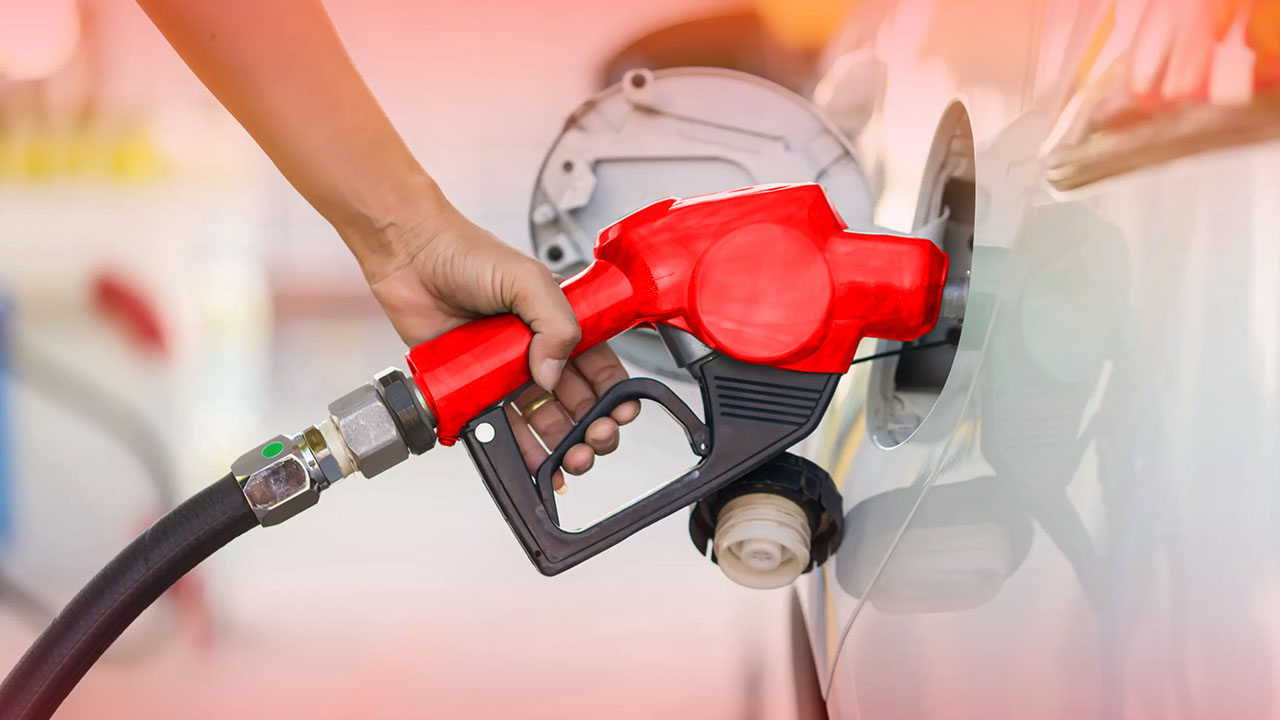
ISLAMABAD: The government on Saturday raised the price of petrol by Rs8 per litre to Rs266.17 and high-speed diesel by Rs5.16 per litre to Rs280.86 for the next fortnight starting March 1, 2026, adding fresh pressure on inflation-weary consumers and increasing transport and agriculture costs across the country.
According to the Petroleum Division, the revised prices were notified on the recommendations of the Oil and Gas Regulatory Authority (OGRA) for the fortnight beginning March 1.
The price of Motor Spirit (petrol) has been increased from Rs258.17 to Rs266.17 per litre, while High-Speed Diesel (HSD) has gone up from Rs275.70 to Rs280.86 per litre.
Petrol is primarily used in motorcycles, rickshaws and small private vehicles, making it the most widely consumed fuel among middle- and lower-middle-income households. The latest increase is therefore expected to directly impact daily commuters, salaried individuals and small businesses that rely on petrol-powered transport.
High-Speed Diesel, on the other hand, is largely used by heavy transport vehicles, buses, trucks, tractors, tube wells and railway locomotives. It also plays a critical role in the agriculture and goods transport sectors. Any increase in diesel prices typically has a broader inflationary impact, as it raises freight charges and farm input costs, eventually pushing up the prices of essential commodities, including vegetables and food grains.
With petrol now priced at Rs266.17 per litre and diesel at Rs280.86 per litre, transporters are likely to revise fares, while goods carriers may pass on the additional cost to retailers and consumers.
Farmers, already grappling with rising input costs, may face higher expenses for operating tractors and water pumps during the ongoing crop cycle.
The revision comes amid the security situation in the Gulf region, persistent volatility in global oil markets, and exchange rate pressures — factors that generally influence domestic petroleum pricing under the existing mechanism.
The new prices will remain in effect for the next fortnight starting March 1, 2026.

The author is a an investigative journalist at Profit. He can be reached at [email protected].
View all articles →Comments
No comments yet. Be the first to join the discussion!