March 3, 2026
IMF acknowledges Pakistan’s macro gains, flags revenue shortfall, reform delays
Fund welcomes stability progress under EFF, RSF but raises concerns over FBR revenue gap, financing plan and SOEs reforms

March 3, 2026
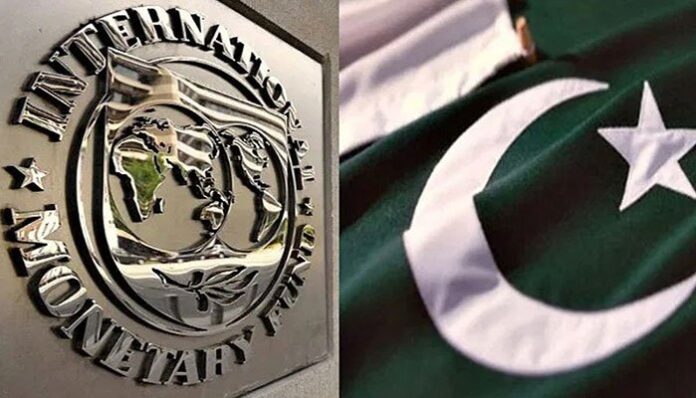
The International Monetary Fund (IMF) has expressed satisfaction with Pakistan’s macroeconomic performance but raised concerns over delays in key reform targets as review talks under the Extended Fund Facility (EFF) and Resilience and Sustainability Facility (RSF) got underway, The News reported, citing sources.
The Fund flagged the Federal Board of Revenue’s (FBR) revenue shortfall, progress on the external financing plan, amendments related to statutory bodies under the State-Owned Enterprises Act, and changes to sovereign wealth fund legislation.
During the meeting marking the start of the third review under the EFF and the second review under the RSF, Pakistan’s delegation informed the IMF that fiscal discipline and rebuilding of foreign exchange reserves had strengthened macroeconomic stability and created necessary buffers.
The review discussions are expected to cover FBR performance, the fiscal outlook for the current year, and efforts to maintain fiscal discipline by year-end. Virtual talks will also assess decisions taken under the government’s rightsizing initiative aimed at reducing the size of the federal government.
Officials shared that the federal government currently oversees 441 departments under 39 ministries. Rightsizing reforms are underway in 20 ministries, with plans to abolish around 54,000 positions by the end of 2025, generating estimated annual savings of Rs56 billion to be reflected in upcoming budgets.
Finance Minister Muhammad Aurangzeb told the IMF mission that Pakistan has continued to consolidate gains achieved under the EFF and RSF programmes. He said structural reforms, particularly in taxation and the energy sector, remain central to the government’s agenda, including administrative improvements and operationalisation of the Tax Policy Office.
On state-owned enterprises and privatisation, the minister reiterated commitment to advancing restructuring and key transactions during the year. He said the process would continue in a transparent manner.
He also highlighted steps taken to merge ministries and close certain entities as part of public sector reforms, and reaffirmed the government’s focus on export-led growth supported by trade facilitation and tariff rationalisation.
Aurangzeb briefed the mission on flood-related challenges and said fiscal buffers had enabled timely response efforts. He noted that global geopolitical developments and energy market volatility posed risks, adding that a high-level committee had been formed to monitor the situation.
The minister said social spending would remain a priority to protect vulnerable segments during the stabilisation process.
IMF mission chief Iva Petrova thanked the Pakistani side for the briefing and shared feedback from meetings held in Karachi. Both sides agreed to continue discussions virtually in the coming days.
The meeting was attended by the governor of the State Bank of Pakistan, the finance secretary, the FBR chairman, and senior officials from the Finance Division.
Our monitoring team diligently searches the vast expanse of the web to carefully handpick and distill top-tier business and economic news stories and articles, presenting them to you in a concise and informative manner.
View all articles →0 Comments
No comments yet. Be the first to join the discussion!