March 4, 2026
Pakistan prepares first power sector indigenisation plan for 2026–35
Strategy targets local manufacturing of power equipment to cut imports and expand domestic industry

March 4, 2026
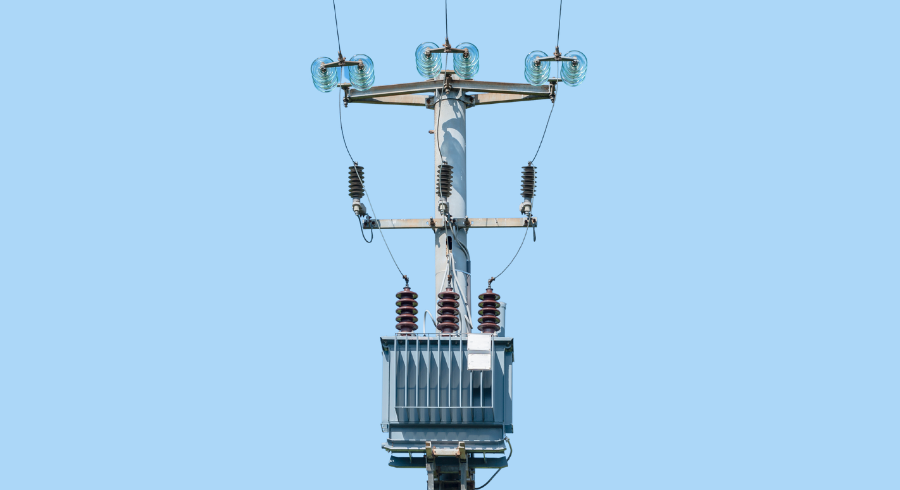
The federal government is preparing Pakistan’s first Power Sector Indigenisation Plan (PSIP) for 2026–2035, aimed at strengthening domestic manufacturing of electrical power equipment and reducing reliance on imports, Business Recorder reported.
The proposed plan outlines a long-term framework to expand local production capacity in generation, transmission and distribution equipment, including transformers, switchgear, cables, meters and control systems. Officials say the strategy seeks to support industrial development and integrate Pakistan into regional energy supply chains.
The roadmap is structured in phases. In the near term, the focus will be on aligning procurement policies and standardising equipment specifications. Medium-term steps include investment in testing infrastructure and development of industrial clusters, while the longer-term agenda targets research, design capability and advanced manufacturing.
The framework draws on data from the Indicative Generation Capacity Expansion Plan and the Transmission System Expansion Plan, along with international trade data and studies by the Ministry of Energy and the National Electric Power Regulatory Authority. The document covers strategic context, global market trends, Pakistan’s electricity market scale, supply chain development, regulatory reforms and implementation mechanisms.
Authorities say the plan will rely on fiscal incentives, procurement commitments and partnerships with international firms to support localisation. Trade policy reforms under consideration include identifying priority areas for import substitution, setting phased localisation targets tied to investment milestones, adjusting tariffs to support local production and guaranteeing demand through public procurement.
Many power projects in Pakistan are financed by institutions such as World Bank and Asian Development Bank or implemented by foreign engineering, procurement and construction contractors. Officials are engaging these stakeholders to revise procurement frameworks so that local manufacturers can compete in donor-funded projects.
Initial steps have already appeared in some distribution projects financed by the Asian Development Bank, where local meter manufacturers secured contracts through competitive bidding. Chinese contractors working on projects under China–Pakistan Economic Corridor have also been encouraged to partner with domestic firms, leading to local sourcing of towers, cables and hardware in certain projects.
Pakistan currently imports most of its electrical power equipment. Official data shows imports of electrical products declined from $539.1 million in FY2022 to $416.8 million in FY2023, although the reduction mainly reflected short-term macroeconomic constraints rather than structural changes in production capacity.
The government estimates that more than 90 percent of Pakistan’s electrical power equipment demand is still met through imports. Developers of major power projects often procure most plant equipment from foreign suppliers due to limited domestic capability for high-capacity or advanced equipment.
Historical data shows imports of power equipment increased from about $641.4 million in 2014 to a peak of $1.36 billion in 2021 before declining amid import restrictions.
Despite this dependence, the domestic market for electrical power equipment has expanded. The total market size, including both imports and local production, has grown from about $3.4 billion in 2015 to roughly $5.2–5.3 billion in 2024, reflecting rising demand for generation and grid infrastructure. The transformer segment alone now exceeds $1.3 billion annually, while the market for switchgear and control equipment is around $1 billion.
Officials say planned expansions in power generation, transmission and distribution over the next decade will further increase demand. The plan aims to increase the share of locally produced equipment in procurement spending to 30–35 percent within three years, compared with less than 15 percent at present.
Trade policy adjustments are also being considered to support the shift toward domestic manufacturing. These include removing inverted duty structures that place higher tariffs on raw materials than on finished imported products, maintaining duty exemptions on inputs and capital equipment and providing tax incentives for investment in manufacturing and testing facilities.
Other proposed measures include incorporating a localisation score in public procurement evaluations, granting accelerated depreciation allowances for new production facilities and offering tax incentives for specialised testing laboratories and research centres.
Our monitoring team diligently searches the vast expanse of the web to carefully handpick and distill top-tier business and economic news stories and articles, presenting them to you in a concise and informative manner.
View all articles →0 Comments
No comments yet. Be the first to join the discussion!