Panic buying hits petrol pumps amid supply fears; Rs55 fuel price hike announced
Long queues outside petrol pumps and warnings of supply disruption have fueled concerns about a potential fuel shortage.
On Friday, the government announced a Rs55 per litre increase in petrol and high-speed diesel prices. Petroleum Minister Ali Pervaiz Malik made the announcement during a press conference alongside Deputy Prime Minister and Foreign Minister Ishaq Dar and Finance Minister Muhammad Aurangzeb. Dar noted that the new prices will take effect from midnight and cited the ongoing conflict between Iran, the US, and Israel as influencing global oil markets.
The Rs55 per litre increase reflects accumulated international oil price movements and the ongoing Gulf conflict involving Iran, the US and Israel. Pakistan’s reliance on imported petroleum—around 60 percent of petrol and 20 percent of diesel—makes domestic prices sensitive to such global developments. Officials have noted that the hike also addresses limitations of the current fortnightly pricing system, which can result in larger price adjustments when global market changes accumulate. The government emphasized that fuel stocks remain sufficient and that the increase is intended to maintain market stability rather than respond to an immediate shortage.
All this was preceded by concerns about a possible fuel shortage in Pakistan these intensified in recent days, as motorists in several cities rushed to petrol pumps amid fears of supply disruption. Long queues were reported outside stations in Lahore, Islamabad and other urban centres, with some pumps limiting sales to Rs1,000 or Rs2,000 worth of petrol per vehicle, to manage demand.
The surge in buying has coincided with warnings from petroleum dealers about declining fuel deliveries, along with broader geopolitical uncertainty affecting global oil markets and shipping routes such as the Strait of Hormuz.
However, regulators and government officials maintain that the country currently holds sufficient petroleum reserves to meet demand, suggesting that recent scenes at petrol stations may reflect heightened market sensitivity rather than an immediate supply shortage.
The contrasting narratives have created a complex picture in which supply chain concerns, market expectations and consumer behavior appear to be reinforcing one another.
Government insists stocks are sufficient
Prime Minister Shehbaz Sharif chaired a high-level meeting on Friday to assess the fuel supply situation in light of the evolving regional environment.
Officials from the Petroleum Division informed the meeting that Pakistan currently has adequate petroleum product reserves to meet national requirements. Regulatory assessments indicate that the country holds fuel stocks equivalent to roughly 28 days of consumption, while crude oil reserves cover around 10 days and liquefied petroleum gas stocks about 15 days.
Despite these assurances, the prime minister directed provincial authorities to take strict action against any petrol pumps found creating artificial shortages or hoarding fuel. He warned that stations engaged in such practices should be sealed immediately, with licences cancelled and legal proceedings initiated.
Authorities also announced plans to introduce a digital monitoring dashboard to track the movement of petroleum products nationwide and share real-time supply data with provincial governments.
The measures reflect a concern that market disruptions could arise not from physical shortages but from behavior within the supply chain.
Dealers warn of declining deliveries
Petroleum dealers have presented a different perspective, warning that deliveries from oil marketing companies have fallen sharply in recent days.
Leaders of the Pakistan Petroleum Dealers Association said fuel stations could begin shutting down from Monday if supply levels are not restored.
According to Chaudhry Irfan Elahi, diesel supply to pumps has dropped to around 20 percent, while petrol deliveries have also been curtailed significantly.
Nauman Majeed said petrol supply had declined by roughly 50 percent, describing the situation as increasingly difficult for retailers.
Meanwhile, Jehanzaib Malik alleged that some oil marketing companies had halted deliveries to pumps and urged the government to intervene to ensure supply according to market demand.
Dealers warned that if the situation continues, petrol stations may be forced to suspend operations due to lack of product.
Pump owners reject hoarding claims
At the same time, petrol pump owners have rejected accusations that retailers are deliberately creating artificial shortages.
The All Pakistan Petrol Pump Owners Association said stations were selling fuel as soon as deliveries arrived and denied that pump operators were hoarding petroleum products.
Association vice chairman Nauman Butt said fuel availability at retail outlets depends largely on supply provided by oil marketing companies.
If deliveries to pumps are reduced, he said, stations may struggle to maintain normal sales levels.
Pump owners also criticized warnings of licence cancellations, saying such measures would be unjustified under the current circumstances.
Supply chain tensions add complexity
Another layer of the issue has emerged within the industry itself.
The Oil Marketing Association of Pakistan has warned that changes in supply practices by local refineries could disrupt the fuel supply chain if regulatory intervention does not occur.
In a letter to the Oil and Gas Regulatory Authority, OMAP chairman Tariq Wazir Ali said petroleum product volumes had been finalized during the most recent Product Review Meeting and supply plans were structured accordingly.
However, the association said refineries later introduced a new allocation system under which products are being supplied in reduced quantities based on historical averages rather than the volumes agreed during the meeting.
According to OMAP, many oil marketing companies had refrained from arranging import cargoes after refinery allocations were confirmed, meaning the sudden shift in supply practices has created operational challenges.
The association warned that lower refinery allocations are gradually eroding the mandatory 21-day stock cover required for oil marketing companies under regulatory rules.
At the same time, OMAP said it has consistently communicated that there is currently no immediate shortage in the market.
Regulator emphasizes uninterrupted supply
The regulator has sought to reassure the market.
The Oil and Gas Regulatory Authority has directed all oil marketing companies operating in Pakistan to ensure uninterrupted nationwide supply of petrol and high-speed diesel.
Companies including Pakistan State Oil Company, Attock Petroleum Limited, Gas and Oil Pakistan Ltd, Parco Gunvor Limited and Hascol Petroleum Limited have been instructed to maintain smooth distribution and avoid artificial shortages or overcharging.
Field monitoring teams have also been deployed to inspect retail outlets and ensure that petrol and diesel remain available at prescribed prices.
The role of market expectations
While supply chain disagreements have contributed to uncertainty, another factor shaping the current situation may be expectations about future price movements.
Authorities are considering a proposal to replace the existing fortnightly petroleum price review system with a weekly mechanism. The summary prepared by the Petroleum Division is expected to be presented to the Economic Coordination Committee.
Officials say the new system would allow domestic fuel prices to adjust more quickly to changes in global markets and reduce the magnitude of sudden price adjustments.
Importantly, the proposal also aims to discourage speculative behavior and prevent the hoarding of petroleum products by dealers attempting to benefit from anticipated price changes.
In markets where prices are revised periodically, expectations about future price increases can influence purchasing patterns across the supply chain.
When dealers believe prices are likely to rise, they may attempt to purchase larger volumes in advance in order to sell them later at higher rates. Conversely, if prices are expected to fall, buyers typically reduce purchases and run down existing inventories.
Industry observers note that this pattern is not new in Pakistan’s fuel market, where price revisions occur at fixed intervals.
Panic buying and temporary shortages
Against this backdrop, the visible shortages at some petrol pumps may be less a reflection of national supply constraints and more a result of sudden demand spikes.
When large numbers of consumers attempt to purchase fuel simultaneously—often triggered by fears of shortage—retail outlets can quickly exhaust their immediate stocks, even if national reserves remain adequate.
Such demand surges can create a self-reinforcing cycle: reports of queues encourage more consumers to buy fuel preemptively, which in turn lengthens queues and amplifies perceptions of scarcity.
Statements warning of potential shortages can inadvertently accelerate this process by prompting motorists to rush to petrol stations.
Import dependence and regional risks
Pakistan’s reliance on imported petroleum products also shapes how quickly such fears can spread.
Around 60 percent of the country’s petrol consumption and roughly 20 percent of diesel requirements are met through imports. Petrol supplies are generally sourced from the United Arab Emirates, Oman and Saudi Arabia, while diesel imports primarily come from Kuwait and Saudi Arabia.
In total, Pakistan imports about 18 to 19 million tonnes of petroleum products annually, along with around 137,000 barrels per day of crude oil to supplement domestic refinery output.
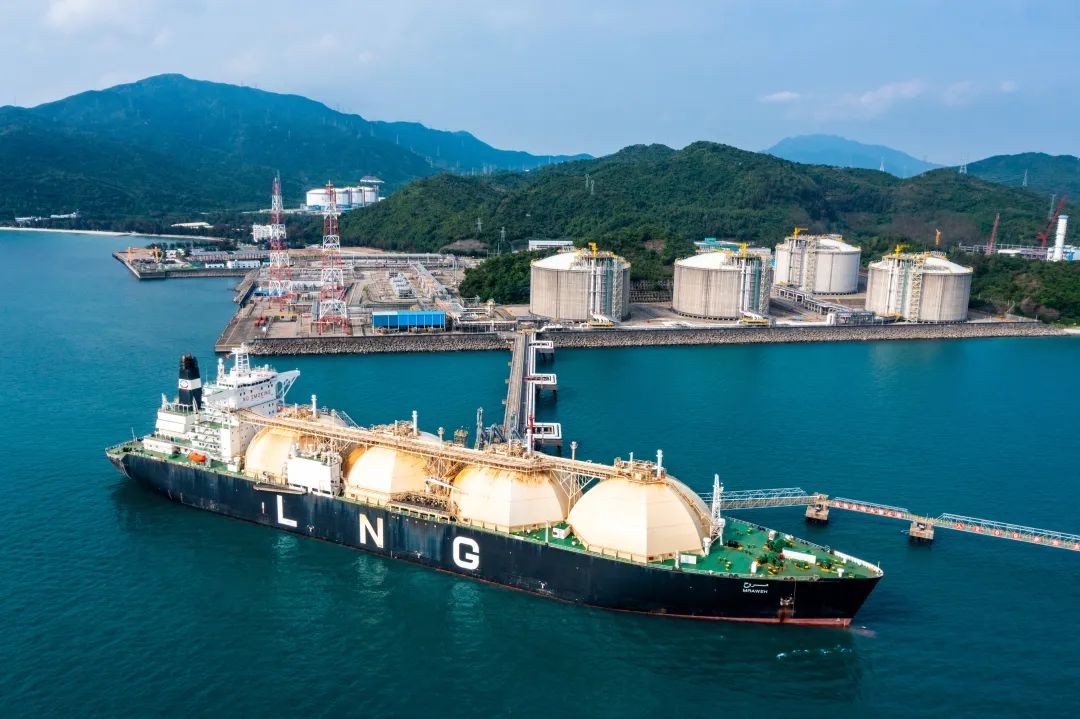
Most of these shipments pass through the Strait of Hormuz before reaching Pakistan’s main receiving terminals at Karachi Port and Port Qasim.
Because this route carries a significant share of global oil shipments, geopolitical tensions in the region can quickly influence perceptions about supply security and fuel availability.
A market shaped by perception
The current situation illustrates how expectations, supply chain dynamics and consumer behavior can interact to shape market conditions.
Dealers warn of reduced deliveries, oil marketing companies point to changes in refinery allocations, and regulators maintain that overall fuel stocks remain sufficient.
Meanwhile, consumers—responding to headlines, rumours or precautionary instincts—have begun rushing to petrol pumps.
In such circumstances, the distinction between an actual shortage and the perception of one can become increasingly blurred.
For now, officials continue to stress that there is no immediate cause for panic and that adequate petroleum stocks are available to meet national demand.
Whether the recent rush for fuel proves to be a short-lived episode of precautionary buying or the early signal of deeper supply pressures may depend largely on how quickly confidence returns to the market.
Comments
No comments yet. Be the first to join the discussion!