March 10, 2026
IMF questions Pakistan's plan to replace super tax revenue in FY27 budget
Fund seeks clarity on tax target after proposed super tax removal, salaried tax cut

March 10, 2026
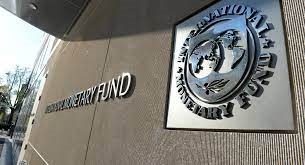
The International Monetary Fund (IMF) has raised concerns over Pakistan’s ability to meet next year’s revenue target if the government removes the super tax and cuts income tax rates for salaried individuals, with officials saying Islamabad will have to present alternative tax measures before budget talks are finalised in May 2026, The News reported.
At a meeting held at the Prime Minister’s Office, the government decided to seek IMF approval for abolishing super tax and lowering tax rates for the salaried class by 5% in next budget. During a subsequent virtual session on Friday, IMF objected to any move that would weaken tax base without a clear replacement plan, officials said.
The issue came up during virtual discussions between the IMF mission and Pakistani authorities, where Fund officials questioned how the Federal Board of Revenue would sustain tax collection in FY2026-27 if key revenue sources were reduced.
According to officials, the IMF said one-off measures such as tax litigation recoveries, enforcement actions and pending super tax instalments may help FBR close the current fiscal year with collections of around Rs13,400 billion to Rs13,500 billion, but do not resolve next year’s revenue challenge.
Pakistani authorities told the IMF that recoveries from cases pending in courts should not be treated as strictly temporary, arguing that settlement of these disputes could continue to generate revenue in the coming budget cycle. Even so, officials said the IMF remained focused on how the government would compensate for any permanent reduction in tax rates.
Sources said it is still too early to assume IMF will agree to abolishing super tax in full. Fund representatives asked where government would generate about Rs150 billion needed to offset its removal, according to officials familiar with discussions.
Officials said a reduction in tax rates for higher-income salaried slabs is also under consideration. That relief is estimated to cost Rs15 billion to Rs20 billion, and FBR would need to identify compensating measures before IMF signs off on proposal.
The Tax Policy Office, recently set up in Ministry of Finance, has started work on proposals for budget 2026-27. After conclusion of IMF and World Bank Spring Meetings scheduled for April 13-18 in Washington, D.C., IMF mission is expected to resume virtual talks with Pakistani authorities to finalise next budget framework.
Officials said any effort to rationalise tax rates would require government to expand other revenue channels to bridge resulting shortfall. IMF is expected to press for those details during next round of budget negotiations.
Separately, officials said IMF has also asked Pakistan to align rupee with Real Effective Exchange Rate, a move that could weaken currency to around Rs290 to Rs300 per dollar from current level of about Rs280, if adopted.
Our monitoring team diligently searches the vast expanse of the web to carefully handpick and distill top-tier business and economic news stories and articles, presenting them to you in a concise and informative manner.
View all articles →0 Comments
No comments yet. Be the first to join the discussion!