IMF resists petroleum levy relief as Pakistan’s fuel prices surge on Iran war impact
Prime minister directs the Finance Ministry to re-engage with the Fund and seek options to reduce the burden on consumers

The International Monetary Fund has shown reluctance to allow flexibility in Pakistan’s petroleum levy, as fuel prices surged to record levels following global oil market disruptions linked to the Iran conflict, The News reported.
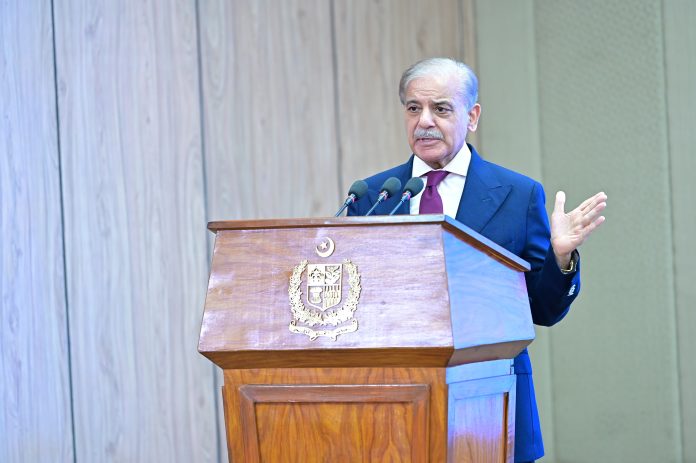
Officials said Prime Minister Shehbaz Sharif was briefed on the IMF’s initial response, which did not support changes to the levy structure. The prime minister directed the Finance Ministry to re-engage with the Fund and seek options to reduce the burden on consumers.
The government has been attempting to adjust petroleum levies to absorb part of the increase in global oil prices, but the IMF views the levy as a key revenue source tied to programme commitments.
Officials said the prime minister warned that passing on the full impact of international price increases could raise inflation and place additional pressure on households. He instructed economic managers to explore measures to limit the impact.
Meanwhile, fuel prices increased sharply on Thursday, with petrol rising by Rs137 per litre to Rs458.4 and high-speed diesel by Rs185 per litre to Rs520.35. The increases follow an earlier hike of Rs55 per litre in early March, taking cumulative monthly increases to 63% for petrol and 75% for diesel.
The government increased the petroleum levy on petrol by Rs55 to Rs161 per litre while abolishing the levy on high-speed diesel and retaining a Rs2.5 per litre carbon levy.
Prices of kerosene and light diesel oil also increased, reaching Rs468 and Rs395 per litre, respectively.
Officials said the government has already provided around Rs129 billion in relief to stabilise prices, financed through reductions in development spending and other expenditures.
The issue of levy adjustments has been under discussion with the IMF in recent days, with the government seeking to offset rising international prices without increasing the burden on consumers.
Comments
No comments yet. Be the first to join the discussion!