May 1, 2026
Fuel pricing debate: refineries absorb over Rs30bn amid diesel price hike and rising petroleum levy
Refineries squeezed as levy-led pricing strategy shifts burden across fuel chain

May 1, 2026

ISLAMABAD: Pakistan’s fuel pricing debate has taken a new turn in recent weeks, as diesel prices have increased alongside a rise of around Rs28 per litre in petroleum levy, while the financial pressure on the country’s refining sector continues to build amid ongoing adjustments in the pricing structure.
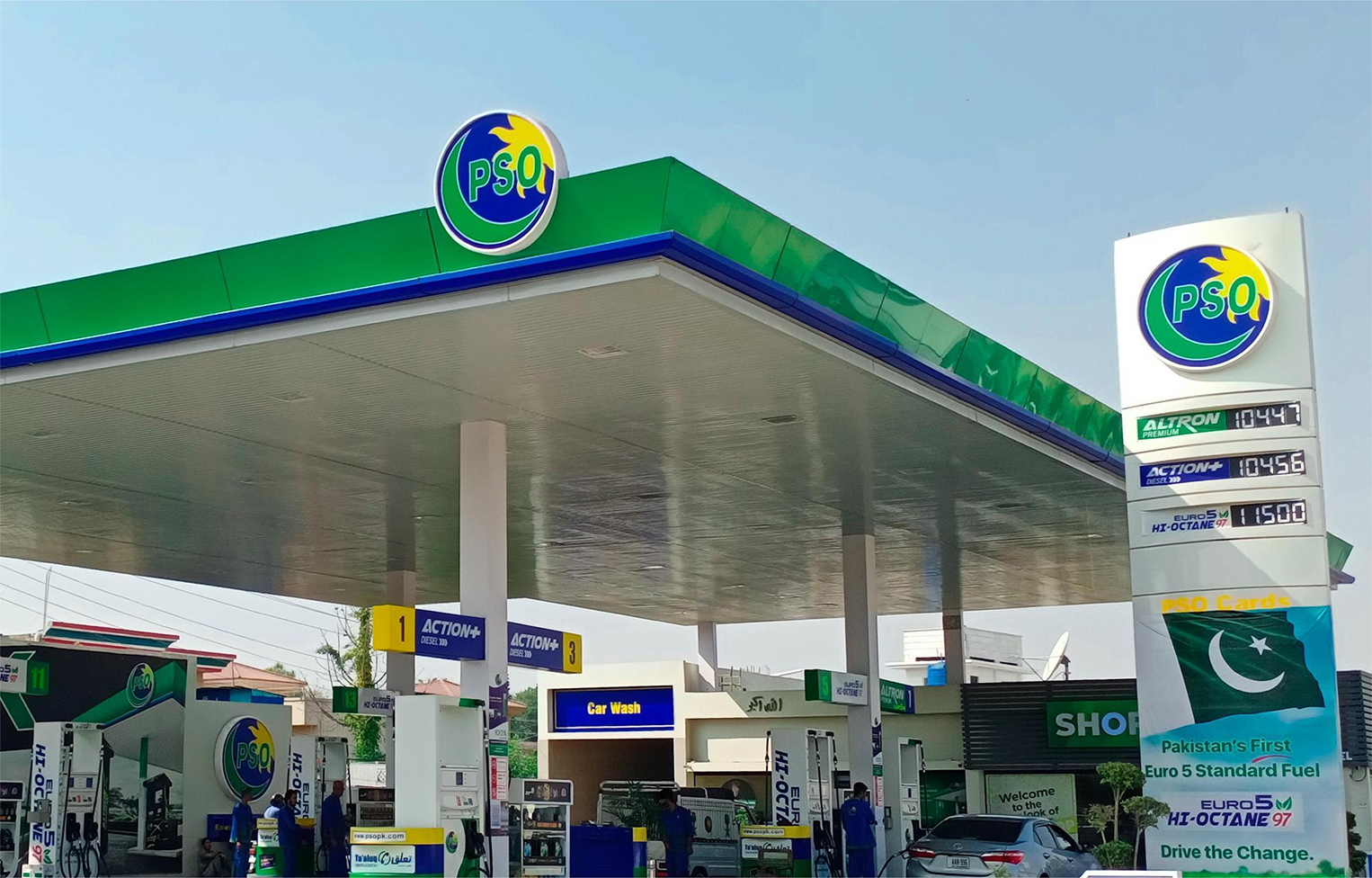
The latest increase in high-speed diesel prices comes at a time when changes in Pakistan’s fuel pricing framework are reshaping how costs and margins are distributed across the petroleum supply chain, with domestic refineries reportedly absorbing significant financial pressure.
Earlier this month, Petroleum Minister Ali Pervaiz Malik initiated discussions with refinery operators, asking them to explore options for providing relief to consumers. Following these engagements, refineries agreed to adjust pricing mechanisms, which contributed to a reduction in fuel prices at that time.
However, these adjustments were followed by further changes that squeezed refinery margins even more. As a result, several refineries, particularly those located in the southern region, are now operating under financial strain. Industry sources said that these facilities have already faced cumulative losses running into tens of billions of rupees over the past years.
In April alone, the refining sector contributed roughly over Rs30 billion toward maintaining lower fuel prices. In effect, part of the relief extended to consumers was absorbed within the industry itself. In addition, refineries have also compensated Pakistan State Oil (PSO) to the tune of approximately Rs7 billion, further highlighting the financial burden placed on the sector within the supply chain.
The policy direction has since shifted, as diesel prices were recently increased with Rs28 per litre added in the form of petroleum levy (PL). This indicates that while earlier price reductions were partly supported through industry adjustments, the government is now increasingly relying on levy-based mechanisms to manage revenue requirements and fuel pricing dynamics.
This evolving situation has raised concerns among industry participants regarding the sustainability of the current structure. Refineries operating on compressed or minimal margins say that prolonged financial pressure could impact their operational viability over time.
Some industry sources cautioned that continued stress on refinery margins could also have implications for supply chain stability. They argue that if financial constraints persist, it may affect maintenance schedules, operational efficiency, and the overall ability of refineries to ensure consistent fuel supply.
The importance of a strong domestic refining base extends beyond immediate pricing considerations. It is closely linked to broader energy security, as countries with stronger refining capacity are better positioned to manage global supply disruptions and reduce reliance on imported petroleum products.
Pakistan’s leadership has acknowledged the significance of strengthening the refining sector on multiple occasions. However, progress on a comprehensive refinery policy, which was expected to encourage capacity expansion, upgrades, and improved fuel standards, has remained slow over the years.
Had the policy been implemented in a timely manner, industry sources note that it could have helped improve fuel quality standards, increase domestic output, and potentially reduce dependence on imported refined products. Instead, Pakistan continues to rely heavily on imports, leaving the economy exposed to fluctuations in global oil prices and exchange rate volatility.
At the same time, petroleum levy has increasingly emerged as a key fiscal instrument in recent pricing cycles. Successive adjustments in levy rates reflect the government’s growing reliance on indirect taxation to meet revenue requirements while attempting to maintain consumer price stability in a volatile international oil market.
However, the industry sources said that the interaction between levy increases and pricing formula adjustments remains an area of concern, as the overall framework has not been clearly detailed in publicly available policy documentation. As a result, stakeholders often assess its impact through operational indicators such as refinery margins, cash flow pressures, and changes in downstream pricing spreads.
A senior official of a refinery while talking to Profit argued that under the existing structure, their exposure to price volatility has increased, while their ability to pass on costs remains limited due to regulatory pricing mechanisms and import parity-linked benchmarks used in determining petroleum product prices.
Southern-based refineries, in particular, are reported to be under sustained pressure, with some facilities facing cumulative financial losses running into tens of billions of rupees over recent years. Industry sources warned that continued margin compression could eventually impact long-term investment decisions, maintenance cycles, and potential upgrade plans if current conditions persist.
The industry sources also said that the current pricing trajectory—characterised by rising petroleum levies, incremental adjustments in pricing formulas, and refinery-level absorption of costs—has intensified the debate over the long-term sustainability of Pakistan’s fuel pricing framework.
They noted that while short-term measures may help address immediate fiscal needs and provide some consumer relief, the absence of a stable and transparent long-term pricing mechanism could create structural imbalances in the energy supply chain.
A senior industry source familiar with the sector acknowledged that the core policy challenge lies in balancing three competing priorities: fiscal sustainability, consumer affordability, and the financial viability of domestic refineries, which remain a critical component of Pakistan’s energy security architecture.
Without clearer alignment between pricing mechanisms and industrial sustainability objectives, industry sources cautioned that continued pressure on refinery margins could eventually affect investment flows, operational stability, and the broader resilience of the downstream petroleum sector.
For now, the evolving pricing environment remains under close observation by market participants, as shifts in petroleum levy, pricing formulas, and refinery-level cost absorption continue to determine how financial pressures are distributed across Pakistan’s energy value chain.
The author is a an investigative journalist at Profit. He can be reached at [email protected].
View all articles →0 Comments
No comments yet. Be the first to join the discussion!