May 8, 2026
ASEAN pushes urgent fuel-sharing pact amid Middle East energy shock concerns
Cebu summit highlights urgency for coordinated oil security framework as Strait of Hormuz disruption exposes regional vulnerability

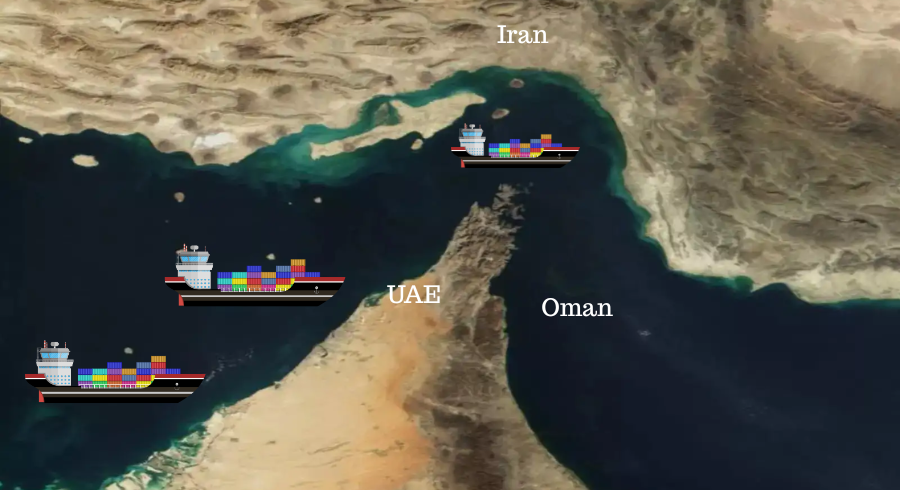
Southeast Asian leaders have called for the rapid ratification of a regional fuel-sharing framework as concerns grow over energy security risks stemming from the Middle East conflict and disruptions linked to the Strait of Hormuz.
At the summit held on the Philippine island of Cebu, leaders of the Association of Southeast Asian Nations (ASEAN) stressed the need for coordinated action to strengthen energy resilience in a region heavily dependent on oil imports.
The proposed oil-sharing mechanism, however, did not include an immediate operational response, with leaders acknowledging that key technical and logistical issues remain unresolved.
Chair of ASEAN, Philippine President Ferdinand Marcos Jr., said member states were working toward finalising a voluntary, commercial-based fuel-sharing arrangement but noted that implementation details still require agreement.
He highlighted unresolved questions around allocation, pricing and priority access, stating that mechanisms such as “who gets what” and “how it is paid for” still need to be determined.
Marcos said the initiative reflects recognition of regional vulnerability, adding that even short-term supply disruptions could have long-lasting economic consequences across Southeast Asia.
The bloc also faces coordination challenges due to differing economic structures and the absence of a central enforcement mechanism, despite being a $3.8 trillion economy with nearly 700 million people.
Economic ministers earlier identified broad response measures to safeguard energy and food security, including supply diversification and alternative routes, though no detailed implementation plan was finalised.
Beyond energy security, leaders also discussed regional maritime stability, with proposals to establish an ASEAN maritime coordination centre to address disputes in the South China Sea, a critical shipping route handling over $3 trillion in annual trade.
Marcos said the proposed centre would not target any country but aim to protect freedom of navigation in contested waters involving overlapping claims by China and several ASEAN members.
Leaders reaffirmed their commitment to completing a long-delayed code of conduct with Beijing on the South China Sea by year-end, with officials reporting incremental progress in negotiations.
Indonesia’s President Prabowo Subianto warned that energy pressures were likely to persist, calling for stronger long-term resilience planning across the region.
Discussions also touched on Myanmar, where ASEAN leaders acknowledged limited progress in resolving the ongoing civil conflict, with internal debates continuing over engagement with the country’s current administration.
Marcos noted that despite ongoing dialogue, the situation in Myanmar remains largely stalled, with leaders seeking ways to revive a “moribund” peace process.
0 Comments
No comments yet. Be the first to join the discussion!