Pakistan eyes cheaper Iranian oil after temporary US sanctions relief
Petroleum Minister Ali Pervaiz Malik says discounted Iranian crude under review; imports covering 10% to 20% of demand could save $170 million to $340 million annually
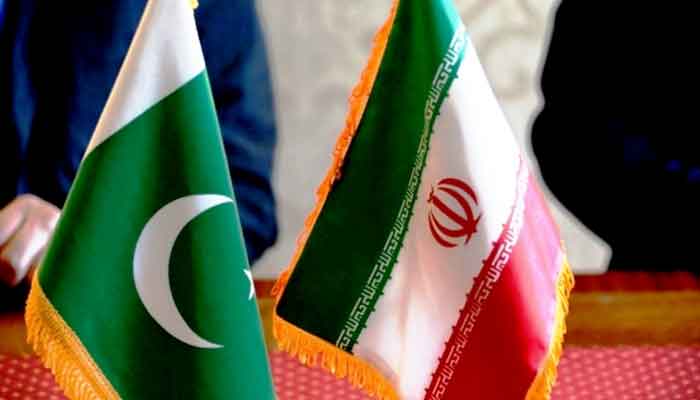
Pakistan is considering cheaper oil and gas imports from Iran after a temporary easing of US sanctions created a limited opening for renewed energy trade with Tehran, Petroleum Minister Ali Pervaiz Malik said on Sunday.
Speaking to reporters in Lahore, Malik said the government was reviewing options to reduce energy costs, including the possibility of sourcing discounted Iranian crude.
The development follows an interim US-Iran understanding that temporarily eased sanctions pressure and reduced tensions in the Middle East, allowing energy shipments through the Strait of Hormuz to resume.
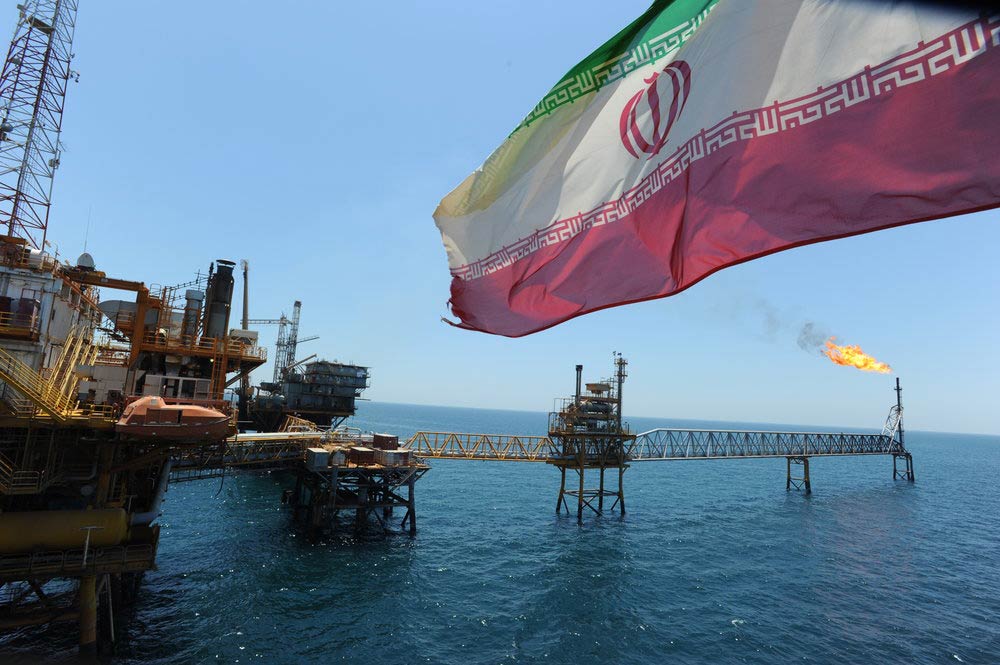
Reuters reported last week that the United States had authorised the sale of Iranian-origin crude, petroleum products and petrochemicals until Aug 21, giving potential buyers a limited period to explore purchases from Iran.
However, immediate purchases remain uncertain because Asian refiners are still cautious about sanctions relief, compliance risks, banking channels and payment mechanisms.
Pakistan could save an estimated $170 million to $340 million a year if it imports 10 per cent to 20 per cent of its crude oil requirement from Iran at discounted rates, including lower freight costs.
Industry experts say Pakistani refineries can technically process Iranian crude, although commercial issues remain due to its relatively high furnace oil yield and limited domestic demand for furnace oil.
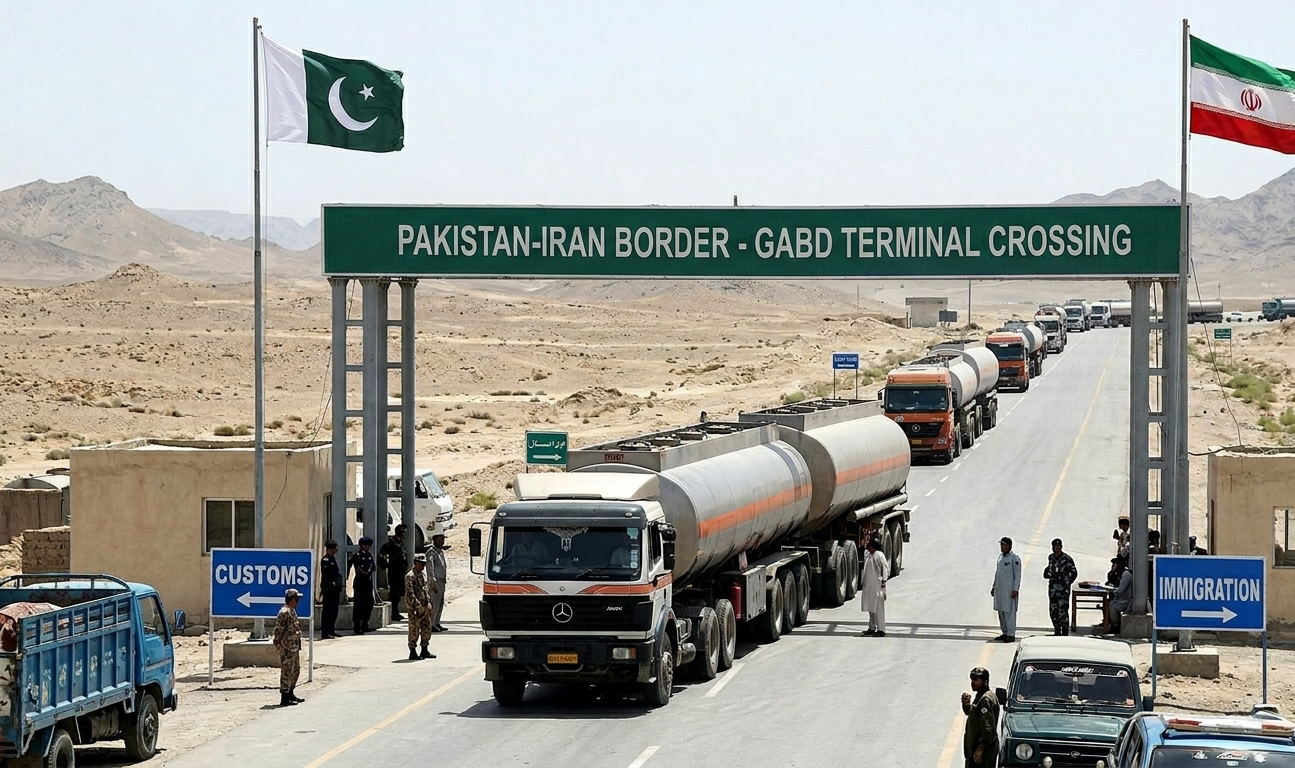
Pakistan shares a nearly 900-kilometre border with Iran, but has not been able to regularise large-scale petroleum imports from Tehran despite years of discussions on energy cooperation.
In the absence of formal trade, Iranian petrol and diesel have continued to enter Pakistan through informal channels along the Balochistan border, meeting demand in border districts and other areas.
Fuel is moved through border crossings in Balochistan and, in some cases, by sea routes near Gwadar.
Successive governments have launched crackdowns on smuggling and explored legal mechanisms for cross-border energy trade, but sanctions and geopolitical concerns have limited progress.
Malik said the government remained focused on lowering fuel prices and providing relief to consumers after a period of high petrol and diesel prices.

Our monitoring team diligently searches the vast expanse of the web to carefully handpick and distill top-tier business and economic news stories and articles, presenting them to you in a concise and informative manner.
View all articles →Comments
No comments yet. Be the first to join the discussion!