Iran pipeline back in focus as Pakistan eyes trade gains from Tehran-Washington breakthrough
Islamabad’s role in facilitating US-Iran talks has revived hopes for the long-stalled Iran-Pakistan gas pipeline and expanded cross-border trade, but analysts caution that lasting economic benefits will depend on sanctions relief and domestic reforms.
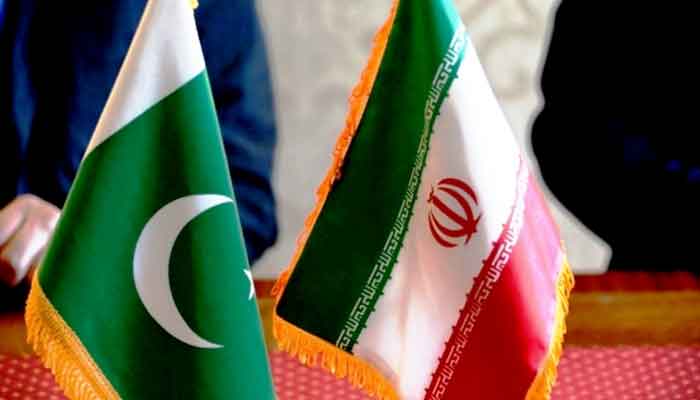
Pakistan’s diplomatic role in helping facilitate contact between the United States and Iran has reignited hopes for the revival of the long-delayed Iran-Pakistan gas pipeline and the expansion of regional trade links, as Tehran and Washington move forward with negotiations following a framework agreement reached in Switzerland.
Iranian President Masoud Pezeshkian’s visit to Islamabad this week highlighted the growing importance of Pakistan in Tehran’s regional calculations. The visit, his first foreign trip since the US-Israel conflict erupted in February, came after months in which Islamabad served as a key intermediary between Washington and Tehran, helping maintain communication channels and supporting efforts that eventually led to formal negotiations.
For policymakers in Islamabad, the most tangible rewards from the diplomatic breakthrough may lie in regional connectivity rather than immediate financial assistance or investment commitments.
A sustained easing of sanctions on Iran could pave the way for the revival of the Iran-Pakistan gas pipeline project, which has remained stalled for more than a decade due to US sanctions and geopolitical pressures. The project has long been viewed as a potential solution to Pakistan’s energy shortages, but repeated delays prevented its completion.
Improved relations between Iran and the West could also unlock greater cross-border trade through Pakistan’s Balochistan province, where commercial activity has remained constrained by sanctions and security concerns. Analysts believe a more stable regional environment would allow trade flows to expand and strengthen economic links between the two neighbouring countries.
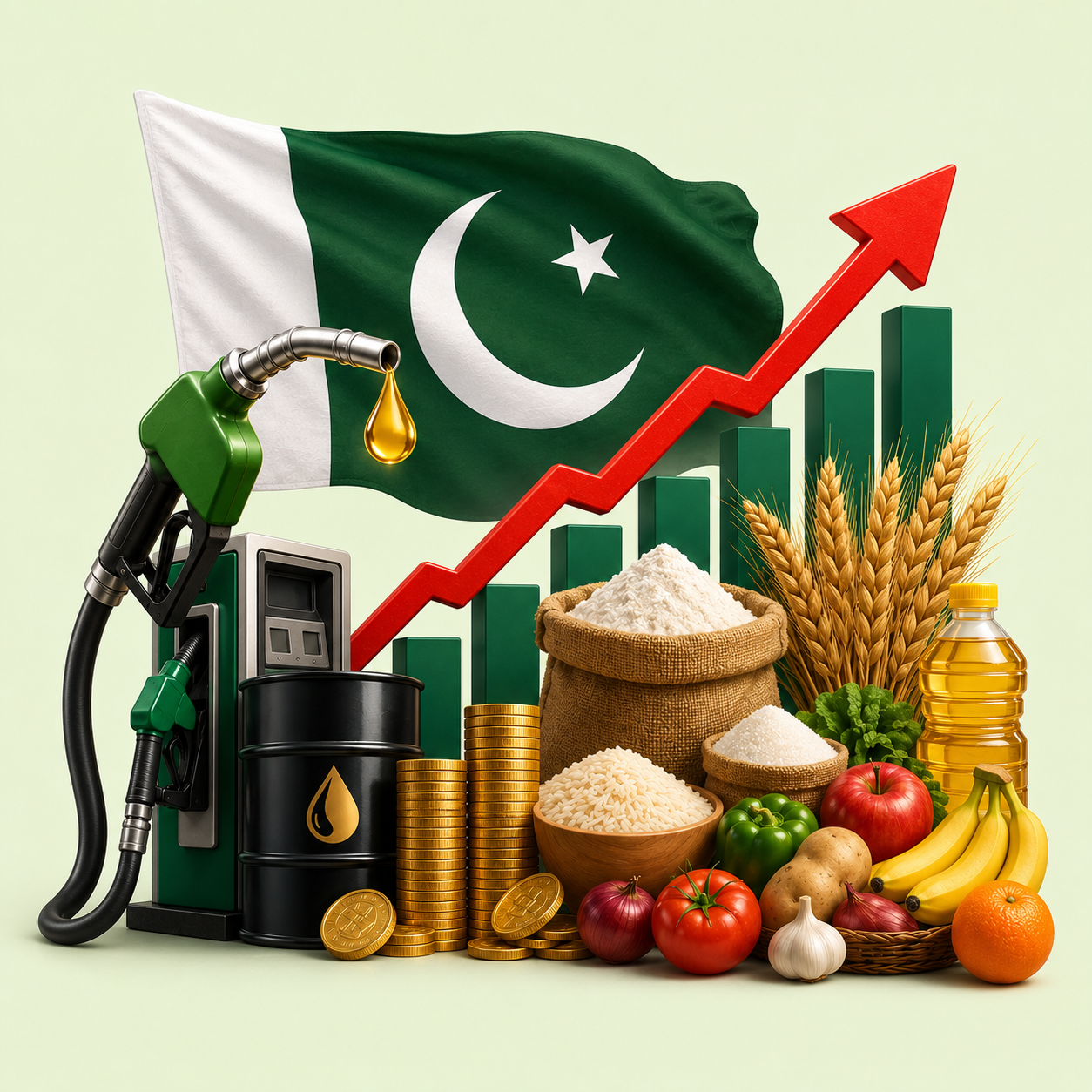
While Pakistan recorded economic growth of 3.7 percent during the last fiscal year and remittances increased 8.2 percent to $30.3 billion, economists caution against expecting major economic gains solely from diplomatic success.
Hina Shaikh, an economist with the International Growth Centre, said Pakistan’s most immediate benefit could come through lower energy costs and renewed momentum on the pipeline project if sanctions relief proves durable.
According to Shaikh, the country’s recent economic performance was aided significantly by lower oil and gas import costs following disruptions linked to the temporary closure of the Strait of Hormuz, rather than by a broad-based expansion in domestic production.
She argued that Pakistan’s long-standing economic challenges, including a narrow tax base, weak exports and recurring external financing pressures, cannot be solved through diplomatic achievements alone. However, improved international goodwill could provide Islamabad with additional space to pursue structural reforms.
Regional analysts also view Pakistan’s role in the negotiations as a strategic opportunity to deepen its relevance in Middle Eastern affairs.
Umer Karim, an associate fellow at the King Faisal Center for Islamic Research and Studies, said Pakistan emerged as a credible communication channel at a time when both Washington and Tehran were searching for an acceptable intermediary. He noted that Islamabad coordinated its efforts alongside regional players including Saudi Arabia, Egypt and Turkiye.
However, Karim cautioned that Pakistan’s influence remains limited and does not yet translate into the leverage needed to shape the negotiating positions of either Iran or the United States.
Despite those limitations, officials in Islamabad believe a successful Iran-US agreement could transform Pakistan’s western economic corridor by reopening trade routes, improving energy cooperation and creating new opportunities for regional commerce.
Analysts say the ultimate test will be whether any economic gains generated by improved regional relations translate into tangible benefits for communities along the Pakistan-Iran border, particularly in Balochistan, where economic deprivation and security challenges have persisted for decades.
“If the economic benefits are shared with the people of Balochistan, the scourge of terrorism can be eliminated,” retired brigadier and defence analyst Tughral Yamin said, adding that Pakistan may be on the verge of an opportunity it cannot afford to miss.
Comments
No comments yet. Be the first to join the discussion!