Pakistan eyes formal energy trade with Iran after US-Iran peace deal
Official says Pakistan could gain if regional tensions ease and sanctions on Iran are relaxed, though any future crude oil imports remain too early to confirm

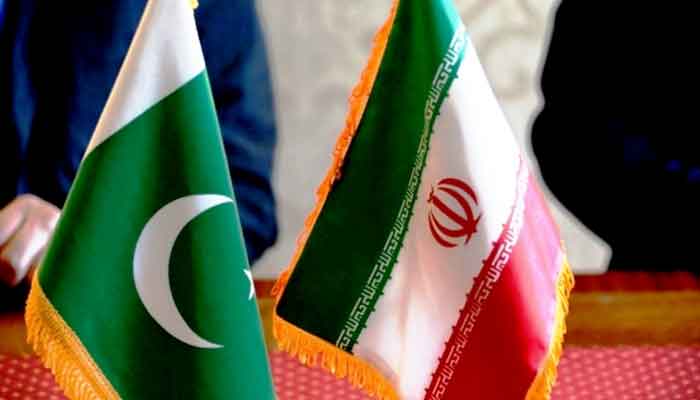
LAHORE: Pakistan is assessing economic opportunities from the easing of tensions between the United States and Iran, with officials saying improved regional stability could support formal energy trade with Tehran, strengthen investor confidence and expand regional commerce, Arab News reported.
The assessment comes after Pakistan played a facilitation role in efforts to reduce tensions between Washington and Tehran, including early high-level contacts and support for negotiations that led to the signing of the Islamabad Memorandum of Understanding last week.
Iranian President Masoud Pezeshkian visited Islamabad on Tuesday, where both sides agreed to deepen cooperation and build on recent diplomatic engagement.
Finance Adviser Khurram Schehzad told Arab News that economic stability, policy continuity and diplomatic credibility could help Pakistan attract investment and create new trade opportunities.
He said Pakistan’s role as a supporter of regional stability could improve its position for investment in infrastructure, technology, people and future growth sectors.
Officials said one possible outcome of a sustained easing in tensions could be the formalisation of Pakistan’s trade with Iran, particularly in the energy sector.
A senior finance ministry official said that energy trade with Iran, which had previously taken place through informal channels, could now be moved into a formal framework.
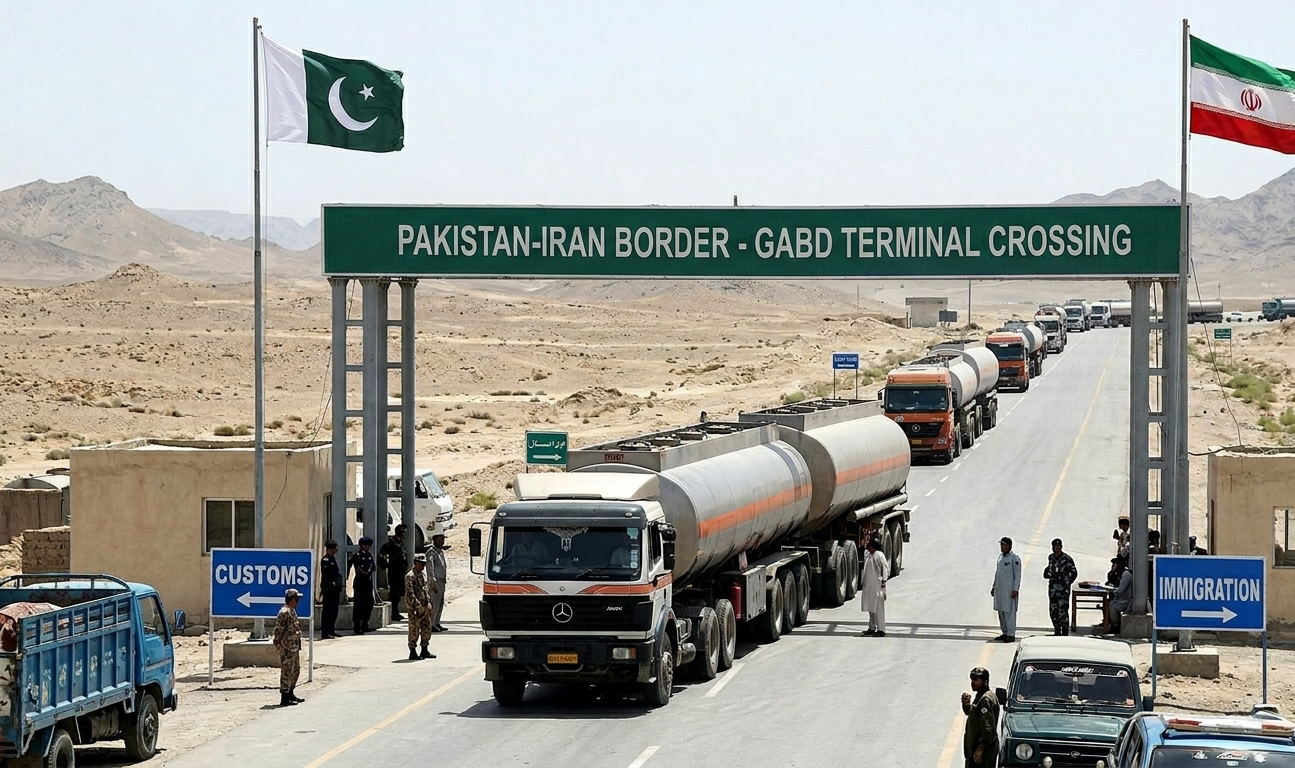
Pakistan and Iran share a border of more than 900 kilometres, across which fuel and other goods have long moved through informal routes.
Official bilateral trade remains limited because of sanctions on Iran, but Pakistani officials say unofficial trade, particularly in petroleum products, continues across the border.
Last week, Investment Minister Qaiser Ahmed Sheikh and Iranian Ambassador Reza Amiri Moghadam reaffirmed their commitment to increasing Pakistan-Iran trade to $10 billion through greater economic engagement and special economic zones along the border, according to a government statement.
The finance ministry official said improved trade, exchange and investment could benefit the wider region, not only Pakistan-Iran ties.
The official also said better regional stability could make the region more attractive to international investors, including those from the United States.
The US remains Pakistan’s largest trading partner. Bilateral trade stood at $8.38 billion in fiscal year 2025, according to central bank data. Trade in the first 11 months of the current fiscal year reached $8.58 billion, largely supported by textile exports.
A senior information ministry official said Pakistan could benefit if tensions continue to ease and sanctions on Iran are gradually relaxed. He said it was too early to confirm whether Pakistan could eventually import crude oil from Iran, but added that trade in different commodities was likely to increase if conditions improved.
The official also said reconstruction activity in Iran could create future commercial opportunities, though discussions were still at an early stage.
Pakistan’s parliament approved the federal budget for fiscal year 2026-27 on Tuesday, as the government seeks to accelerate growth, attract investment and strengthen external accounts after a period of economic stabilisation under an International Monetary Fund-backed reform programme.
Schehzad said Pakistan’s diplomatic role had strengthened its image as a reliable partner at a time when investors were looking for stability. He said a country that maintains domestic stability and contributes to regional stability becomes a more credible destination for investment.

Our monitoring team diligently searches the vast expanse of the web to carefully handpick and distill top-tier business and economic news stories and articles, presenting them to you in a concise and informative manner.
View all articles →Comments
No comments yet. Be the first to join the discussion!