May 12, 2026
Textile industry submits budget 2026–27 reform push as govt expands tax, energy and digital monitoring agenda
Finance Minister Aurangzeb meets exporters’ delegation, discusses competitiveness, liquidity relief and rollout of broader compliance systems.

May 12, 2026
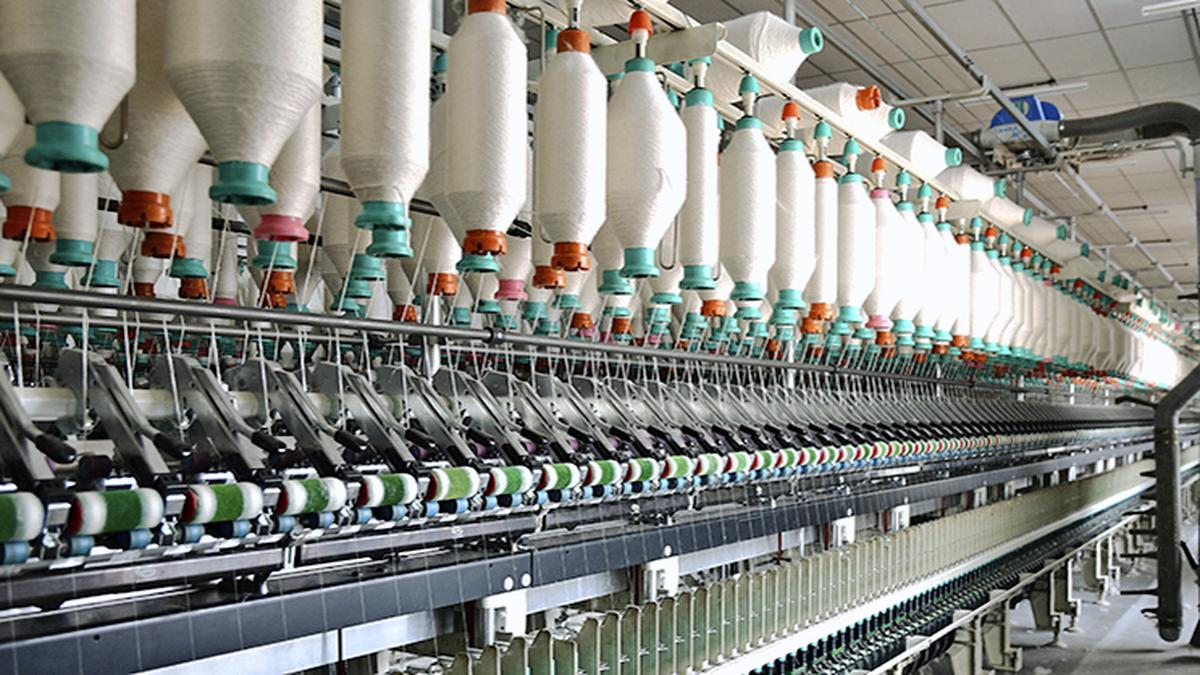
Muhammad Aurangzeb on Tuesday held detailed consultations with a high-level delegation of Pakistan’s textile and apparel sector, comprising leading exporters, associations, chambers and industry stakeholders.
The delegation presented a consolidated set of proposals for the Federal Budget 2026–27, aimed at improving export competitiveness, industrial efficiency and long-term sectoral growth, according to an official statement.
The proposals focused on taxation reforms, energy affordability, export facilitation, liquidity support, industrial modernization, investment promotion and easing the cost of doing business.
Industry representatives said a stable, predictable and internationally competitive policy framework was essential to help exporters respond to shifting global demand and rising regional competition.
They highlighted structural bottlenecks including delayed refunds, high input costs, compliance burdens and liquidity constraints, arguing these factors were limiting cash flow and slowing reinvestment in technology, expansion and productivity upgrades.
The delegation also called for reforms to support value addition, SME development, innovation and industrial diversification, stating that stronger competitiveness would lift exports, employment and foreign exchange inflows.
Aurangzeb said the government is committed to maintaining continuous engagement with the business community through the Tax Policy Office of the Ministry of Finance, shifting away from episodic pre-budget consultations toward year-round policy dialogue.
He also outlined ongoing efforts to expand transparency and documentation through digital monitoring systems across key industries including sugar, cement, beverages and tobacco.
The minister said the digital monitoring framework has been implemented across sectors without exception, including businesses where entities linked to the prime minister’s family also operate, and is intended to improve efficiency, transparency, fair competition and revenue administration.
He invited the textile sector to participate in the gradual rollout of similar digital monitoring systems within the industry.
According to the meeting, some textile associations are already in discussions with Federal Board of Revenue teams, with pilot digital monitoring initiatives underway in select units.
The delegation acknowledged the importance of transparency and documentation and agreed to continue consultations with the government to develop workable solutions aligned with the textile sector’s operational structure and supply chain realities.
Our monitoring team diligently searches the vast expanse of the web to carefully handpick and distill top-tier business and economic news stories and articles, presenting them to you in a concise and informative manner.
View all articles →0 Comments
No comments yet. Be the first to join the discussion!